







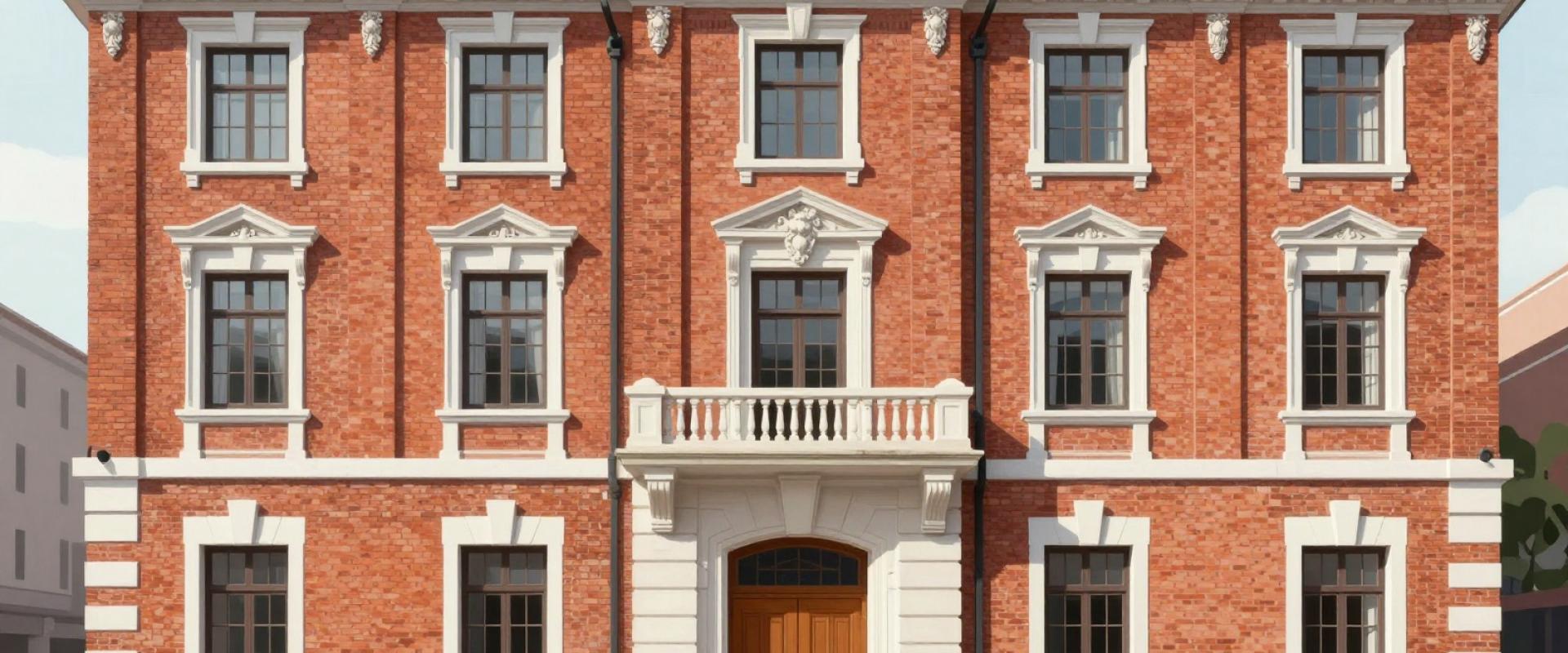
Gotha Palace (Palazzo Carignano)
Birthplace of Italy's unification in Guarini's Baroque pa...
- Admission
- €10 adults, free under 18
- Hours
- Daily 10:00-18:00, closed Monday
- Where
- Turin, Piedmont and Aosta Valley
- Directions
- Directions
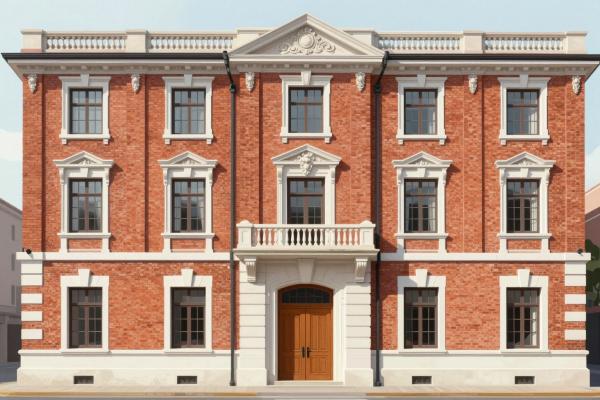
Palazzo Carignano is one of the most important buildings in Turin, an original masterpiece of Piedmontese Baroque, and the place where the story of Italian unification is told. It stands in the old centre, near Piazza Castello, on the Piazza Carignano, and it was designed by the architect-priest Guarino Guarini, who began the work in 1679 for Prince Emanuele Filiberto of Savoy-Carignano, a branch of the royal family. Guarini, who came from Modena and was a mathematician and philosopher as well as an architect, made it one of his finest works. The garden front, facing the main square, is a surprising composition of undulating red brick, with a curved central section that bulges forward and elaborate terracotta decoration around the windows, and its wavy line makes it unlike any other palace in Italy. The palace is one of the buildings of the Residences of the Royal House of Savoy, inscribed by UNESCO.
The palace also has a special place in the history of the Risorgimento, the movement that led to the unification of Italy. Two kings were born here, Kings Carlo Alberto (Charles Albert), in 1798, who granted a constitution in 1848, and his son Vittorio Emanuele II (Victor Emmanuel II), in 1820, who became the first king of united Italy. After the constitution was granted, the Subalpine Parliament of the Kingdom of Sardinia met in a chamber built in the palace’s courtyard, and it was here, in 1861, that the first Italian Parliament sat and proclaimed the Unification of Italy as the Kingdom of Italy, with Victor Emmanuel II as king, on 17 March of that year. The great chamber of the Subalpine Parliament, a semicircular hall of wood, has been preserved, and it is one of the strongest places to feel the history of the country.
Since 1938 the palace has housed the National Museum of the Italian Risorgimento, the Museo Nazionale del Risorgimento, which is regarded as the only museum of its kind recognised as being of national interest. It documents the events that led to the creation of the Italian state, from the Napoleonic period through the revolutions of 1848 and the wars of independence to the proclamation of the kingdom, in some thirty rooms. Among the exhibits are paintings, portraits, flags, uniforms, weapons, documents, letters and personal belongings of the leading figures, such as Cavour, Mazzini and Garibaldi, and the museum is a good way to understand a period that shaped modern Italy. The rooms of the palace are also decorated in Baroque style, with stuccoes and frescoes, and one can see how the Savoy lived.
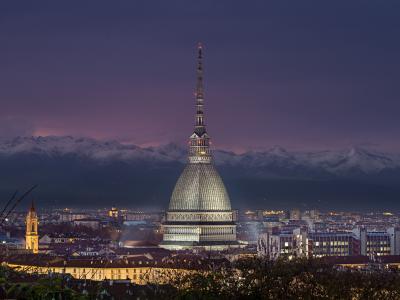
A visit usually takes about two hours, and opening times and ticket details change, so check before going. The palace is a short walk from Piazza Castello, Palazzo Madama and the Royal Palace, and the Piazza Carignano has the Teatro Carignano and the Ristorante del Cambio, a historic restaurant of the 18th century frequented by Cavour. Other sights in Turin are the Mole Antonelliana, the Egyptian Museum and the Cinema Museum, as well as the Parco del Valentino, the Porta Palazzo Market and the Basilica di Superga. The palace suits history lovers, architecture enthusiasts and anyone interested in the origins of modern Italy.
Categories
More photos coming soon
Hours & Fees
- Open
- Daily 10:00-18:00, closed Monday
- Admission
- €10 adults, free under 18
Hours and prices change, especially out of season. Check with the venue before you go.
Nearby Attractions
Other places to visit in Turin

Basilica di Superga
Royal Savoy tombs and Grande Torino memorial
Free Museums & Culture · Natural Wonders
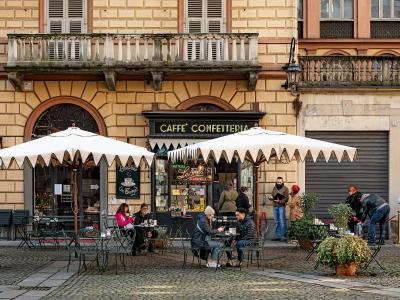
Caffè Al Bicerin
Historic 1763 Turin café serving the original bicerin
Food & Gastronomy · History & Heritage
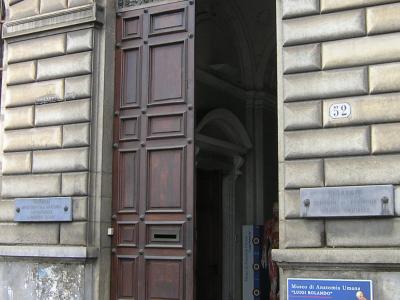
Cesare Lombroso's Museum Of Criminal Anthropology
Museum of Cesare Lombroso's criminal anthropology collection
History & Heritage · Museums & Culture
Cinema Museum (Museo Nazionale del Cinema)
Cinema museum inside Turin's Mole Antonelliana
From €9 History & Heritage · Museums & Culture
Questions people ask
Quick Facts
Best Time to Visit
Visit between April and June or September and October for mild temperatures and fewer crowds.