







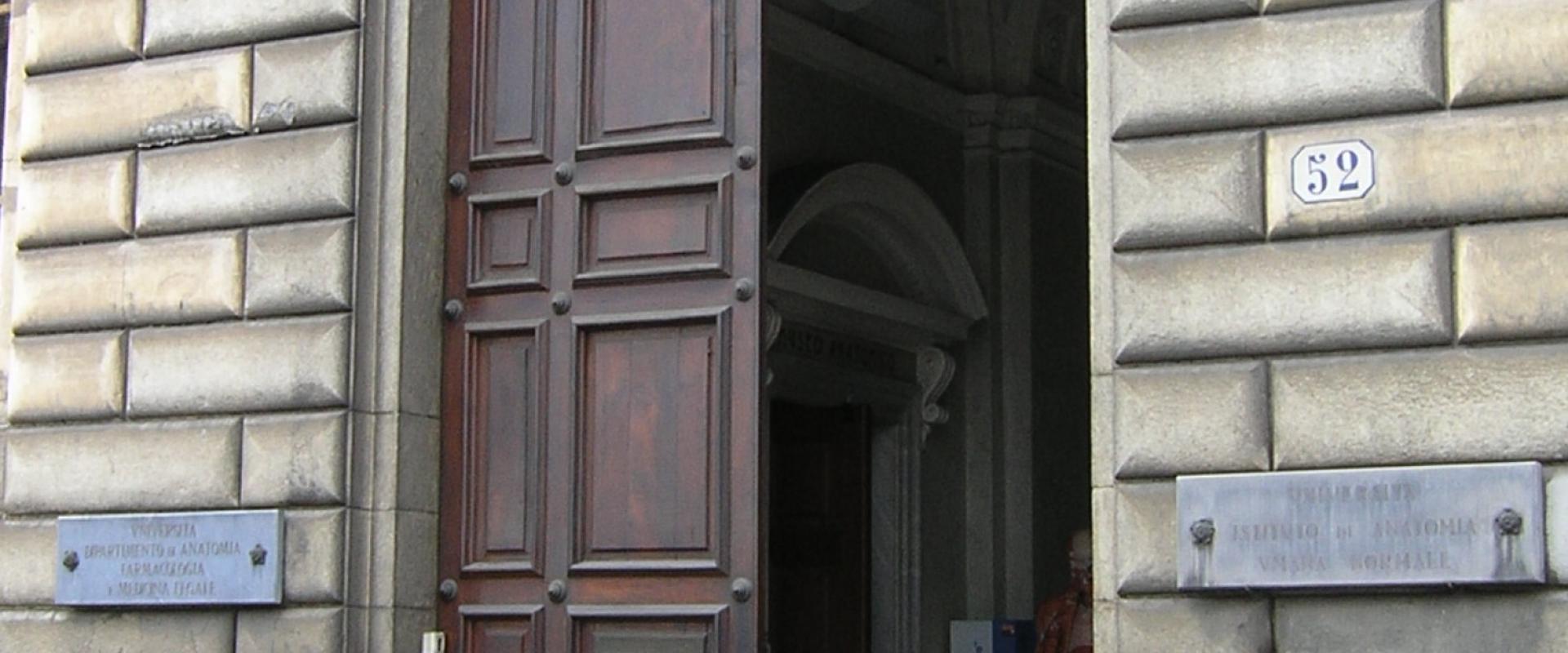
Cesare Lombroso's Museum Of Criminal Anthropology
Museum of Cesare Lombroso's criminal anthropology collection
- Where
- Turin, Piedmont and Aosta Valley
- Directions
- Directions
The Museum of Criminal Anthropology in Turin is named after Cesare Lombroso, the physician and professor who lived from 1835 to 1909 and is regarded as the founder of criminal anthropology. It belongs to the University of Turin and is housed in the university’s buildings, and it was first opened in the 1890s as a teaching collection that Lombroso himself had put together from the 1870s onwards. Lombroso became famous with his book L’uomo delinquente, in which he argued that criminals could be recognised by physical traits, the idea known as criminal atavism, according to which offenders were biological throwbacks to an earlier stage of human evolution. The theory was widely discussed in Europe and America in the late 19th century, and it influenced police and legal practice, but it has long been rejected by science.
The museum was renovated and reopened in 2009, the centenary of Lombroso’s death, with a new approach. Instead of presenting his theories as accepted knowledge, the exhibition sets them in their historical context and examines their errors, as well as the social prejudices that they reflected. Visitors are shown the collection as evidence of how scientific ideas can go wrong, and how bias can shape what researchers think they see. The tone is critical and educational, and the museum aims to encourage reflection more than curiosity.
The collection includes anatomical specimens, among them skulls and casts, drawings, photographs, material evidence from criminal cases, tattoos and weapons, and artworks created by patients in asylums and prisoners. Among the objects displayed is the skull of a Calabrian brigand whose features, according to the story, first inspired Lombroso’s theory in 1871. Displays include human remains, so the visit may be disturbing for some people, and parents should consider whether it is suitable for young children. Information panels explain each section and the later history of criminology.
The museum is small, and a visit takes about an hour, but it raises large questions about science, race and crime in the 19th century. It suits visitors interested in the history of science and medicine, in criminology, or in Turin’s intellectual history, and it is an interesting counterpart to the city’s better-known museums, such as the Museo Egizio, the Mole Antonelliana and the Palazzo Madama. Opening days and times are set by the university and can change, so check before going, and note that the museum may close for holidays. Turin has a long tradition of science and positivism, and Lombroso was one of its most controversial figures.
Categories
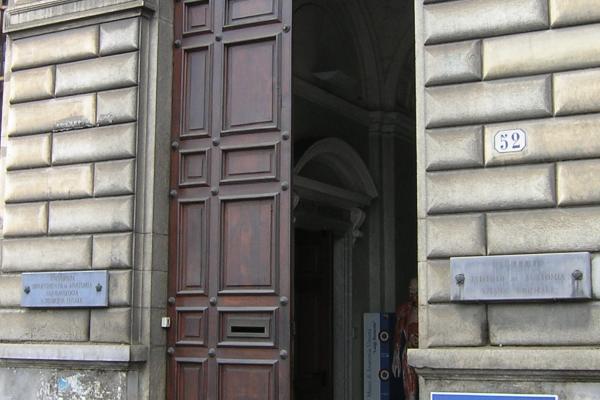
More photos coming soon
Nearby Attractions
Other places to visit in Turin

Basilica di Superga
Royal Savoy tombs and Grande Torino memorial
Free Museums & Culture · Natural Wonders
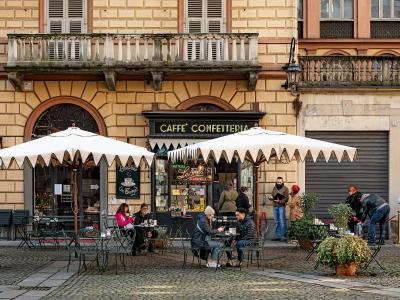
Caffè Al Bicerin
Historic 1763 Turin café serving the original bicerin
Food & Gastronomy · History & Heritage

Cinema Museum (Museo Nazionale del Cinema)
Cinema museum inside Turin's Mole Antonelliana
From €9 History & Heritage · Museums & Culture
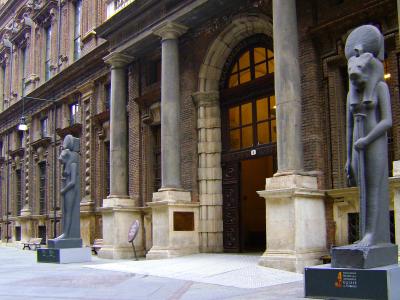
Egyptian Museum (Museo Egizio)
World's oldest Egyptian museum with 40,000 artifacts
History & Heritage · Museums & Culture
Questions people ask
Quick Facts
Best Time to Visit
Visit between April and June or September and October for mild temperatures and fewer crowds.