







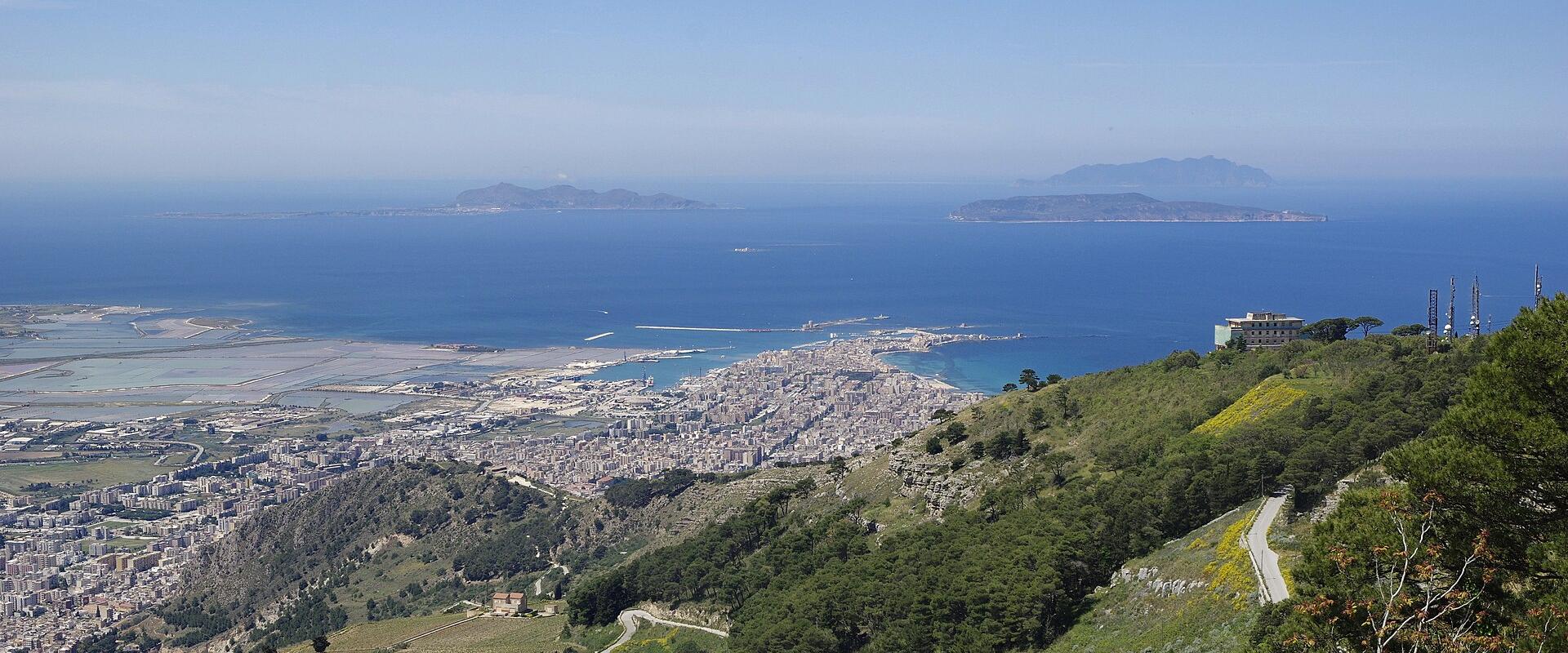
Trapani’s history is deeply rooted in its strategic position on the western coast of Sicily. Originally founded by the Phoenicians, or by the neighbouring Elymians whose city lay at Erice, the city flourished under Carthaginian and Roman rule and became an important trading port. During the Middle Ages Trapani was a key centre of the salt trade, a resource that remains part of its economy and landscape. The city was strongly influenced by Spanish rule, which left a lasting imprint on its Baroque architecture and cultural traditions. In the 19th and 20th centuries Trapani developed into a modern port, helping trade and tourism. The city has preserved its historic centre, with narrow streets, palaces, and churches that reflect its diverse historical layers. It is also known for its fishing industry, particularly the old tuna-fishing tradition, whose ritual, the Mattanza, has largely ended but is remembered in local culture and in museums, and is sometimes recalled in events described as the Mattanza festival.
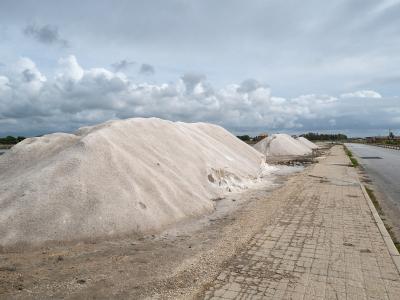
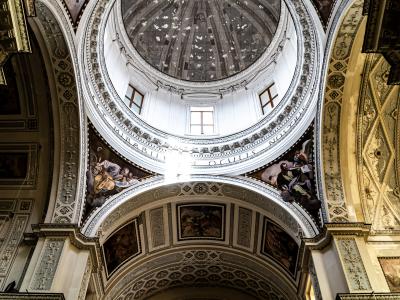
The main attractions are centred on the salt pans, the historic centre, and nearby natural sites. The Saline di Trapani e Paceco, a nature reserve and complex of salt flats, offers views of white mounds of salt and, in many seasons, pink flamingos, especially at sunset. The Museo del Sale, in the nearby village of Paceco, explains how the salt is harvested and processed. The historic centre has the Cathedral of San Lorenzo, the Cattedrale di San Lorenzo, a Baroque masterpiece. The Fish Market is a busy place where visitors can watch the daily catch and buy fresh seafood. Easter week brings the Procession of the Mysteries, a long and solemn parade with carved groups carried through the streets.
The nearby town of Erice, perched on a mountain above Trapani, is reached by cable car and offers panoramic views, medieval streets, and the Erice Castle. The Egadi Islands, including Favignana, Levanzo, and Marettimo, are easily reached by ferry and offer beaches, clear water, and archaeological sites. The Segesta Archaeological Park, within an easy drive, has an ancient Greek temple and theatre in a hilly setting.
Activities in Trapani include exploring the salt pans, visiting the historic sites, and enjoying water sports. The city is known for fresh seafood dishes, including tuna, sardines, and couscous, and for local wines such as Marsala from the nearby town of that name. Visitors can take guided tours to learn about the salt production process and the history of the city. The surrounding area offers sailing, windsurfing, and snorkelling. Trapani also hosts festivals and events through the year, including the Mattanza festival and the Erice Jazz Festival. Shopping includes local ceramics, textiles, and food products. For those interested in history, guided tours explore the Phoenician, Roman, and Baroque heritage of the city.
Getting to Trapani is convenient by rail and road. The city is reached by train from Palermo, about 100 kilometres away, with services to Trapani station, though some are slow. By car, the A29 motorway provides easy access from Palermo. The nearest airport is Trapani Birgi Airport, about 10 kilometres from the city centre.
The best time to visit Trapani is from April to June or September to October, when the weather is mild and pleasant, ideal for outdoor attractions and historic sites. July and August are peak tourist months, with higher temperatures and larger crowds. Winter is mild but can be windy. Despite the seasonal variations, Trapani’s rich history and natural beauty make it a rewarding destination year-round.
Best time to visit
Visit between April and June or September and October for mild temperatures and fewer crowds.
What to see in Trapani
Our picks first.
Trapani by interest
The same sights, grouped by what you came for.
Planning a visit to Trapani
Itineraries that include Trapani
Good to know
- Currency
- EUR
- Language
- Italian
Quick Facts
Book your stay
Questions people ask
More places in Sicily
Sicily
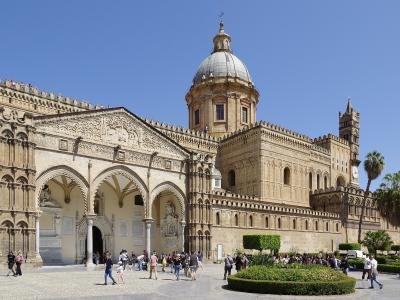
Palermo
Sicily's vibrant capital blending Arab-Norman history with bustling markets
Sicily
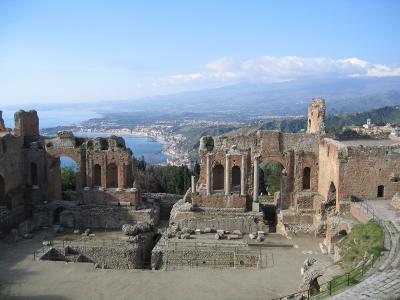
Taormina
Clifftop Sicilian town with Greek theater and Mount Etna views
Sicily
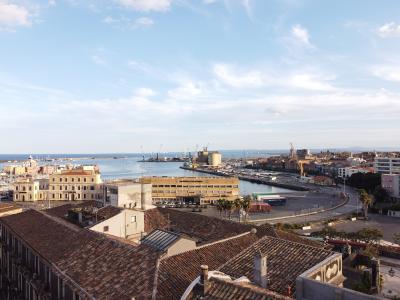
Catania
Vibrant Sicilian city beneath Mount Etna with Baroque architecture
Sicily
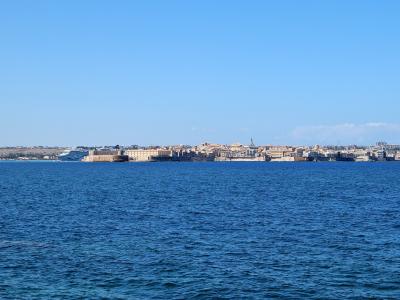
Siracusa
Ancient Greek metropolis in Sicily with Baroque Ortigia island