







- Where
- Trapani, Sicily
- Directions
- Directions
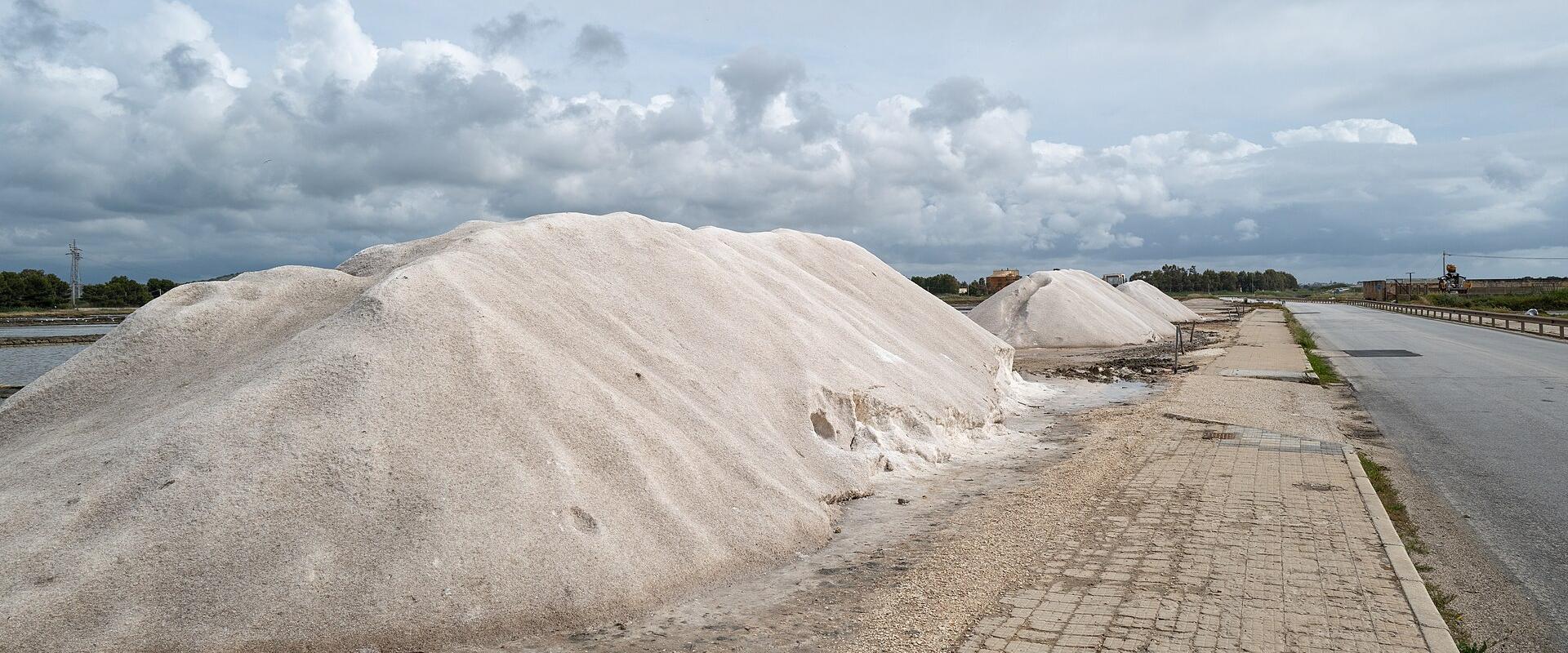
The Saline di Trapani e Paceco is a nature reserve on the western coast of Sicily, between the city of Trapani and the town of Paceco, renowned for its extensive salt pans and its sunsets. The landscape is characterized by white salt mounds, pink flamingos and the rhythmic work of traditional salt harvesters, known as salari. This area offers a unique blend of natural beauty and cultural heritage, reflecting centuries of salt production that has shaped the local economy and identity. The shallow lagoons, divided into rectangular basins by low earthen banks, change color through the seasons, from pale gray-green to deep pink when algae and tiny crustaceans thrive in the saltiest ponds, and the reflection of the sky in the still water is a major part of the scene.
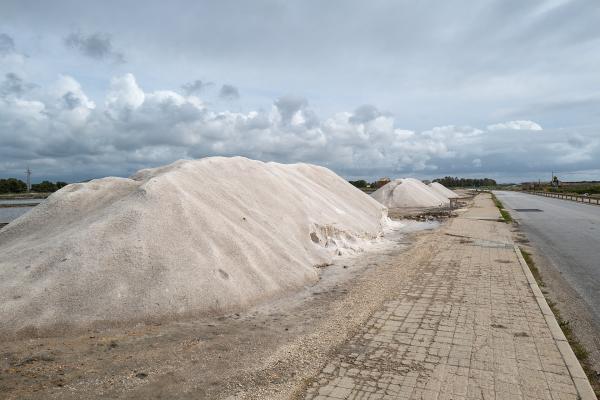
Salt has been made here since antiquity, and the industry flourished through the centuries, when salt was an essential product for preserving fish and meat and a valuable commodity in trade. The system works on a principle of natural evaporation: seawater is channeled into a series of basins of decreasing depth, where sun and wind concentrate it until salt crystallizes. Windmills were once used to pump water from one basin to the next, and several of these old mills still stand in the landscape, with their white cylindrical towers and wooden sails, which adds to the sense of a place frozen in time. The salt harvest takes place in summer, when workers rake the crystals into long white mounds, which are covered with terracotta tiles to protect them from rain until they are collected.
Visitors can explore the reserve on foot or by bicycle, following designated paths that wind through the evaporation ponds. The site is particularly famous for its spectacular sunset views, where the sky reflects off the shallow waters, creating a mesmerizing visual experience, and the shape of the Egadi Islands and the mountain of Erice stands out against the horizon. The reserve is also a wetland of ecological value, managed as a protected area, and it is a resting place for migrating birds: herons, avocets, stilts, egrets and, in winter, flocks of pink flamingos, which can often be seen feeding in the shallow ponds.
Nearby, the Museo del Sale in Paceco provides insight into the history and techniques of salt production. Housed in a structure that exudes history, a 17th-century salt works with a windmill beside it, the museum showcases the effort, love and pride associated with being a salaro. The displays include the tools of the trade and an explanation of the cycle of production from the sea to the table.
It is advisable to check local tourism resources for current information on opening hours, guided visits and bicycle hire. Exploring the Saline di Trapani e Paceco offers insight into the environmental and cultural landscape of western Sicily. It is an essential stop to appreciate the region’s natural wonders and traditional industries. The combination of scenic beauty and historical context makes it a memorable destination, and it complements visits to other landmarks in Trapani, such as the old center with its Baroque churches, the Cathedral of San Lorenzo and the seafront castles, providing a view of the town’s identity.
Categories
More photos coming soon
Nearby Attractions
Other places to visit in Trapani

Questions people ask
Quick Facts
Best Time to Visit
Visit between April and June or September and October for mild temperatures and fewer crowds.