







- Where
- Trapani, Sicily
- Directions
- Directions
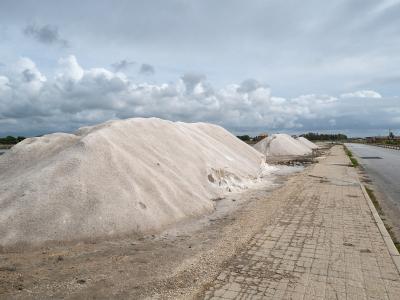
The Museo del Sale is the salt museum of the Trapani salt pans, and it is set in the coastal plain between Trapani and Marsala, in the area of Paceco, in the Province of Trapani, in western Sicily. The landscape here is unlike anywhere else in the island: a flat, shining expanse of shallow rectangular pools separated by low embankments, with white heaps of salt covered by terracotta tiles and old windmills that once pumped water from one pool to the next. The pans have been used since Phoenician times, and salt production was for centuries a pillar of the local economy, with the product shipped across the Mediterranean and used to preserve fish and meat. The area is now a nature reserve, the Saline di Trapani e Paceco, and the museum is part of the effort to preserve its heritage.
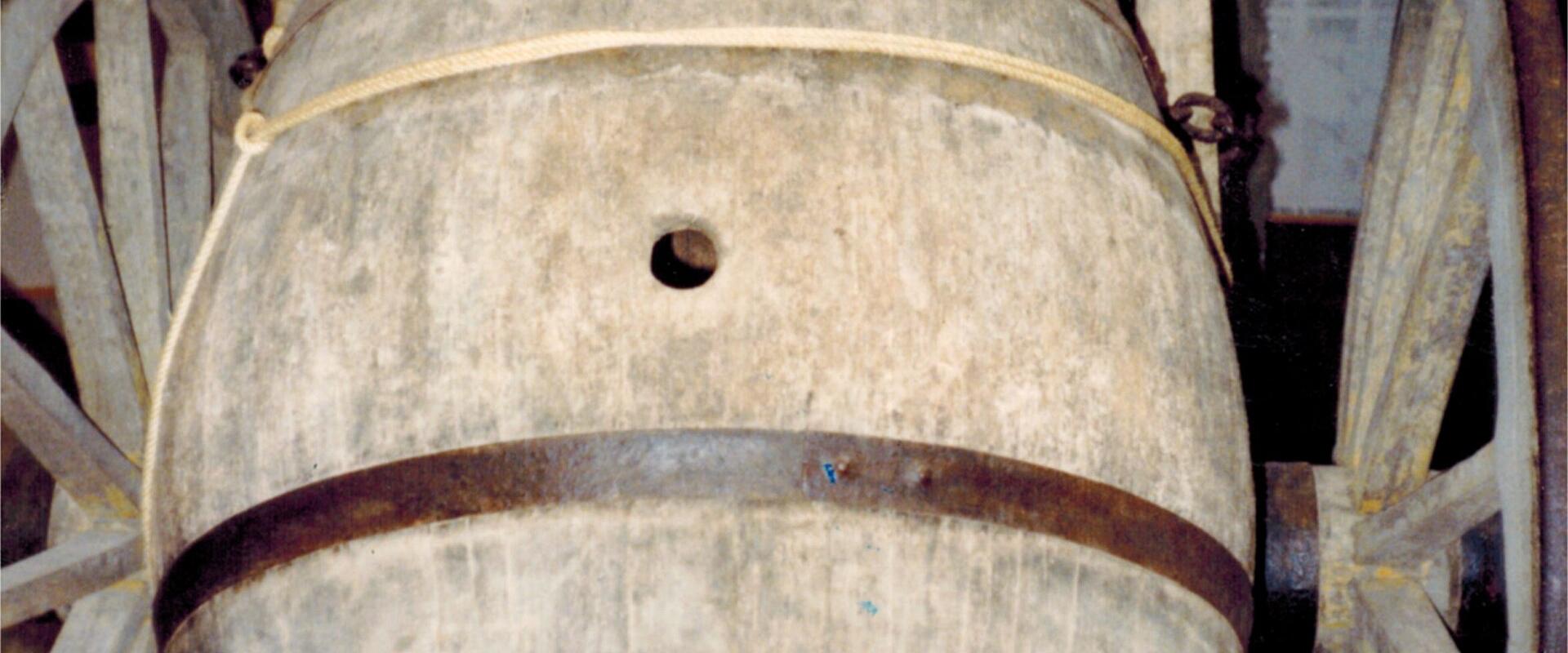
The museum is housed in an old building that was part of the salt works, a structure that carries the signs of long use, with thick walls and a simple layout, and it explains how salt is produced. Exhibits show the tools of the salt workers, the rakes, shovels and baskets, along with photographs, models and explanatory panels about the cycle of work. The process relies on sun and wind: seawater is let into a series of pools, where it evaporates and becomes more concentrated, until the salt crystallises at the bottom in summer and is raked into piles. The harvest takes place in July and August, and the workers, known locally as salari, did it by hand for centuries, under a fierce sun.
The museum also honours the human side of the industry. It tells of the work of the salari, their long days, the dangers to health from sun and salt, and the pride they took in a craft handed down in families. The windmills, some of them with sails of the Dutch type, are one of the most photographed features of the area, and in some places they have been restored to working order. Visitors can often see the machinery and learn how the wind was harnessed to move water and to grind salt.
Outside, the pans offer exceptional scenery, with sunsets over the water and the Egadi islands, and the white mounds in the evening light. The pools attract birds, including herons, avocets and flamingos on migration, and the area is popular with birdwatchers and photographers. Opening times vary with the season, so check locally before going. The museum can be combined with a visit to the city of Trapani, with its Cathedral of San Lorenzo and old centre, and with a drive along the so-called Salt Road toward Marsala. It suits anyone interested in traditional industry, in landscape and in the culture of western Sicily, and the sunset is a fine time to be there.
Categories
More photos coming soon
Nearby Attractions
Other places to visit in Trapani

Questions people ask
Quick Facts
Best Time to Visit
Visit between April and June or September and October for mild temperatures and fewer crowds.