







Sperlonga Old Town (Centro Storico)
Cliffside medieval village with ancient Roman grotto
- Where
- Sperlonga, Lazio
- Directions
- Directions
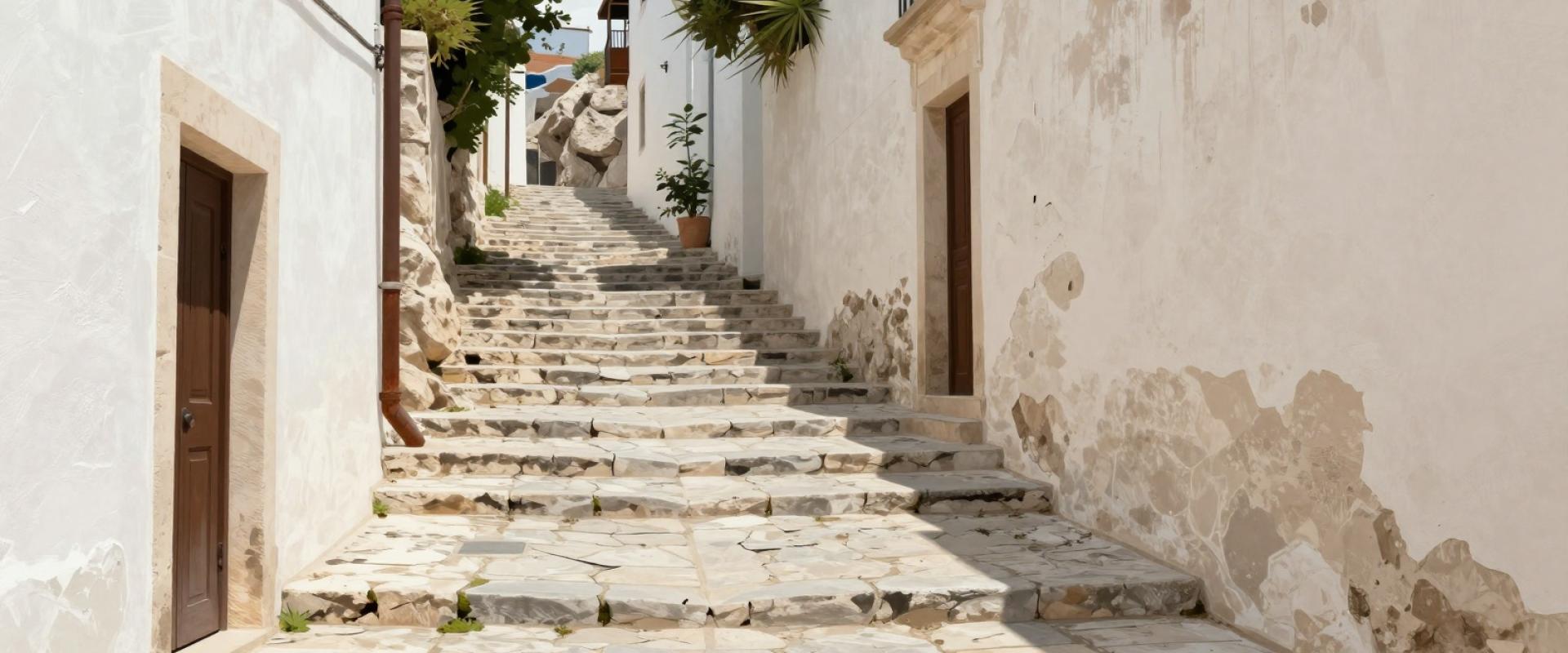
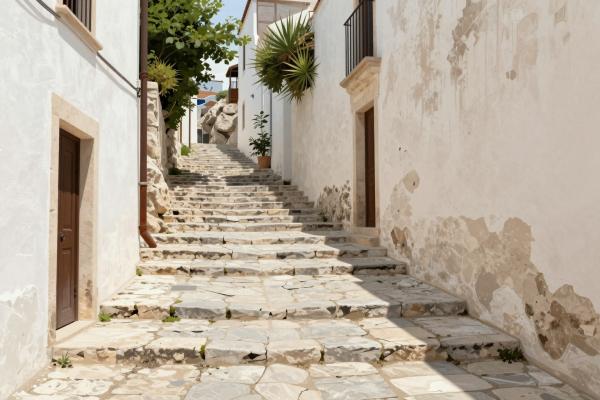
Sperlonga Old Town (Centro Storico) is a picturesque historic district perched on a rocky promontory overlooking the Tyrrhenian Sea, on the coast of southern Lazio, about halfway between Rome and Naples. The town is characterized by its narrow, winding streets, whitewashed houses and traditional fishing port, and from a distance the village, with its stacked white walls on the rock, looks more like a Greek island than a town on the Italian mainland. The layout of the old town reflects its medieval origins, with alleyways that offer shaded pathways and sweeping views of the coastline. Because the rock is surrounded by water on three sides, with a long sandy beach on both sides, the town is something like a peninsula, and its position made it a natural refuge.
The village took its present form in the Middle Ages, when people from the plain moved up to the rock to escape the raids of Saracen pirates, and again in the 16th century, when the Turkish corsair Barbarossa attacked the coast. The old town was built as a tight maze of steep stairways, arches and covered passages, designed to confuse invaders, and its houses, painted white with lime, cling to each other. The name Sperlonga comes from the Latin word for cave, because of the grotto nearby, and in antiquity it was part of the estate of Emperor Tiberius, whose villa lay on the beach. A tower on the headland, the Torre Truglia, built in the 16th century as part of the coastal defense system against pirates, still stands at the edge of the town.
Visitors can explore the historic center on foot, discovering charming squares, local shops and traditional trattorias. Small piazzas open unexpectedly among the lanes, often with a fountain, a church or a view of the sea, and vaulted passages lead from one level to another. The area provides a glimpse into the maritime heritage of the town, with fishing boats often visible in the harbor. The shops sell local products, such as olive oil, preserves, ceramics and sea salt, and the restaurants serve fresh fish, seafood pasta and Mediterranean dishes, often with terraces over the water. The atmosphere is relaxed and authentic, offering a contrast to the more commercialized tourist spots nearby, especially in the early morning and in the evening, when the day-trippers have left.
Key attractions in the vicinity include the Grotta di Tiberio, an ancient Roman grotto located just south of the town, and the National Archaeological Museum of Sperlonga, which houses famous sculptures discovered in the grotto. The old town is a convenient base for exploring these historical sites, and the long beaches below the village are a short walk down the slope.
While specific opening hours and admission fees do not apply to the public streets of the old town, individual attractions such as the museum have their own schedules. It is advisable to check local tourism resources for current information. The experience of wandering through Sperlonga Old Town offers insight into the coastal lifestyle of the region. It provides a peaceful retreat with beautiful scenery and a connection to the area’s rich history, though in July and August the lanes can be crowded and parking is difficult. Exploring the centro storico allows visitors to appreciate the architectural beauty and cultural identity of Sperlonga, and sunset from the terraces at the edge of the rock is one of the best moments of the day.
Categories
More photos coming soon
Nearby Attractions
Other places to visit in Sperlonga
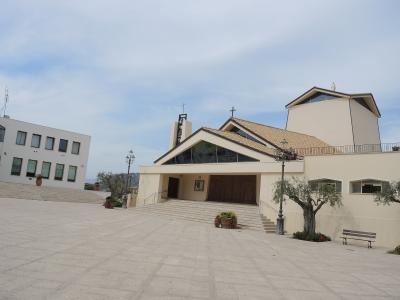
Chiesa di Santa Maria Assunta
Parish church with local architectural style
Architectural Monuments · Historic Churches
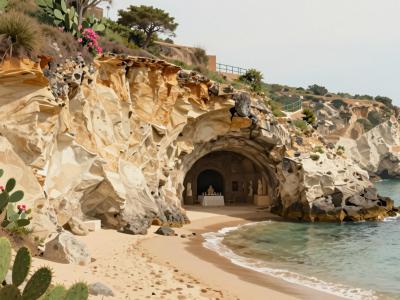
Grotta di Tiberio (Grotta di Nerone)
Tiberian sea cave with Odyssey sculptures
From €10 History & Heritage · Museums & Culture
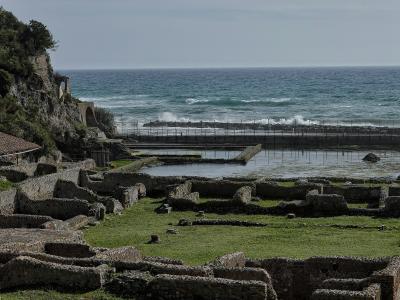
Museo Archeologico Nazionale di Sperlonga
Imperial Tiberius cave with Homeric sculptures
Ancient Ruins · Archaeological Museums
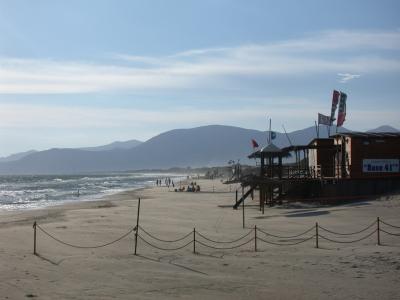
Spiaggia di Sperlonga
Sandy beach in the Regional Park of the Ulysses Riviera
Beaches · Historic Towns
Questions people ask
Quick Facts
Best Time to Visit
Visit between May and June or September and October for warm weather and fewer crowds.