







- Admission
- Integrated ticket (around €10) with the National Archaeological Museum of Sperlonga.
- Hours
- Closed
- Where
- Sperlonga, Lazio
- Directions
- Directions
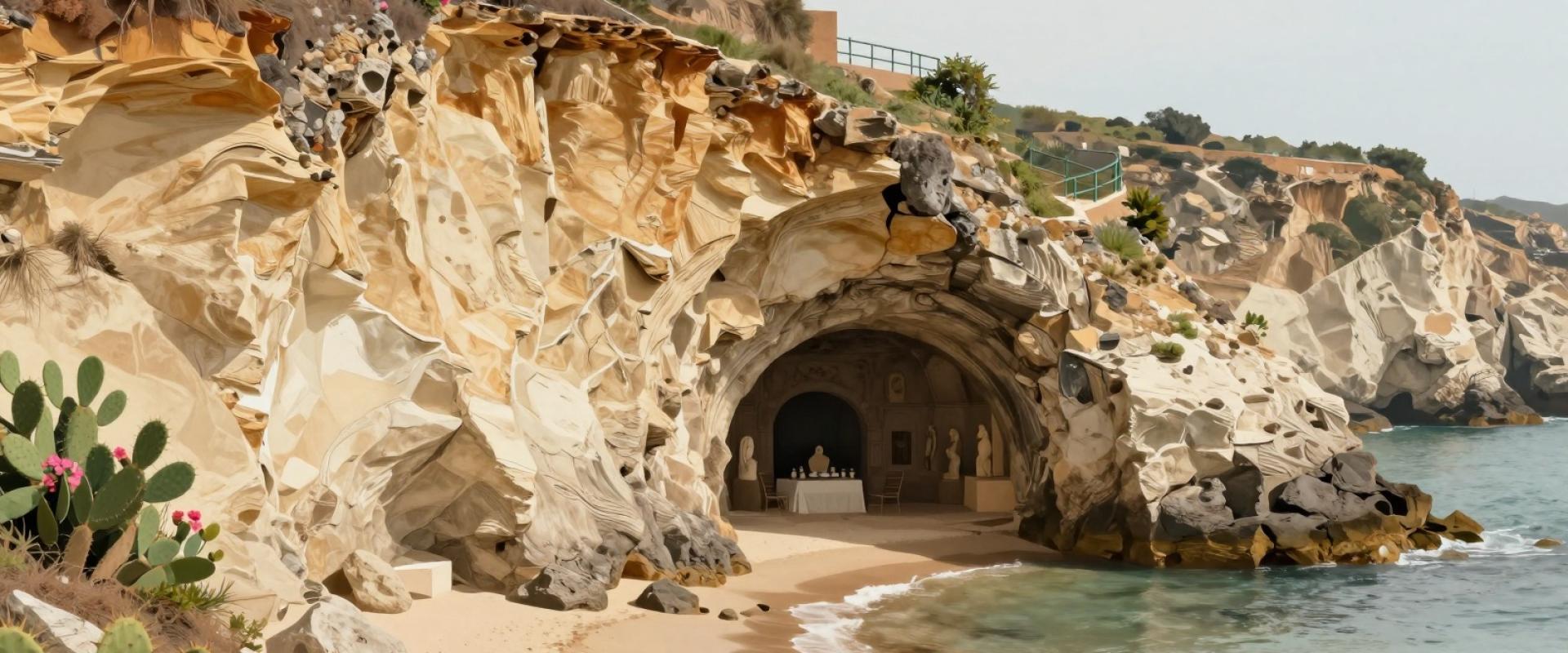
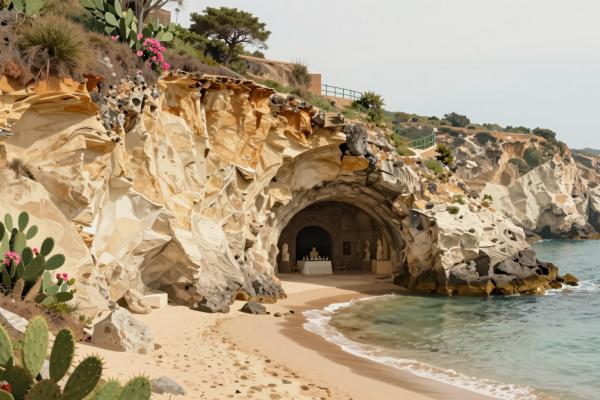
The Grotta di Tiberio, also called the Grotta di Nerone, is a large natural sea cave on the coast south of Sperlonga, on the Via Flacca, where the Roman emperor Tiberius had part of his seaside villa. The popular name linking it with Nero is a mistake, because the cave belongs to Tiberius, the second Roman Emperor. The villa's owner, who ruled from AD 14 to 37, liked to eat in the cave, and the Romans turned the natural hollow into a spectacular dining hall by the water. The site is today part of the National Archaeological Museum of Sperlonga, whose building stands beside it.
The cave opens directly onto the sea. At its centre there is a circular pool, the peschiera, which was probably stocked with fish, and in the middle of the pool an island platform held the triclinium, the dining couches, so guests could eat surrounded by water. A larger rectangular fish pond lay in front of the entrance. Tacitus tells a story, which is usually connected with this place, that in AD 26 the roof of the cave collapsed during a banquet and Tiberius was saved when his praetorian prefect Sejanus shielded him with his own body.
The best-known feature is the group of sculptures that once decorated the cave. Fragments were found in 1957, when the coastal road was being built, and they proved to be among the most important discoveries of Roman sculpture of the twentieth century. They are large marble groups in the Hellenistic style, showing scenes from Homer’s Odyssey: the blinding of Polyphemus, Scylla attacking Odysseus' ship, the theft of the Palladium by Odysseus and Diomedes, and the group of Menelaus carrying the body of Patroclus. Inscriptions suggest that sculptors from Rhodes were involved, the same school linked to the Laocoon group. The reassembled works are displayed in the museum.
Access to the cave is by the museum's grounds, and the site is an archaeological zone, not a beach, although the sea laps at the rocks nearby. The coast road is easy to reach by car, and there are private paid car parks near the entrance. Sperlonga's old town, with its whitewashed houses on a promontory, and the beach are close to hand.
The visit takes about an hour, including the museum. Wear shoes with grip, as the rocks near the cave are uneven, and visit in the morning when the light on the cave mouth is best. The museum and the cave make an interesting stop for anyone curious about how the Roman elite used the Mediterranean coast for leisure.
Categories
More photos coming soon
Hours & Fees
- Open
- Closed
- Admission
- Integrated ticket (around €10) with the National Archaeological Museum of Sperlonga.
Hours and prices change, especially out of season. Check with the venue before you go.
Nearby Attractions
Other places to visit in Sperlonga
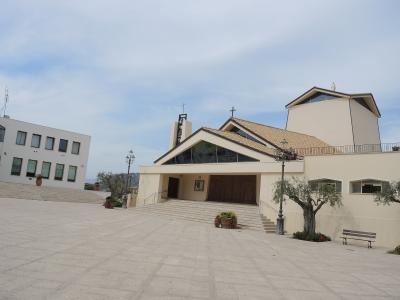
Chiesa di Santa Maria Assunta
Parish church with local architectural style
Architectural Monuments · Historic Churches
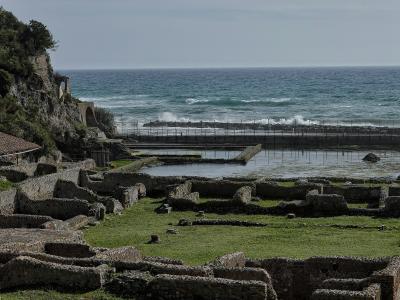
Museo Archeologico Nazionale di Sperlonga
Imperial Tiberius cave with Homeric sculptures
Ancient Ruins · Archaeological Museums
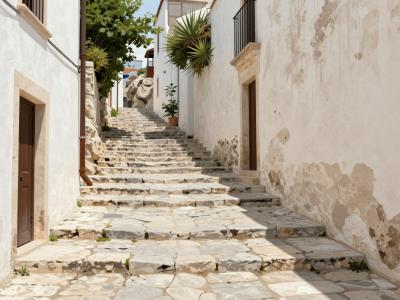
Sperlonga Old Town (Centro Storico)
Cliffside medieval village with ancient Roman grotto
Fishing Villages · Historic Districts
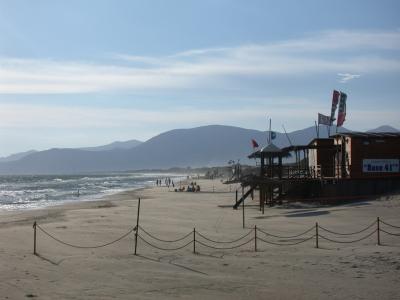
Spiaggia di Sperlonga
Sandy beach in the Regional Park of the Ulysses Riviera
Beaches · Historic Towns
Questions people ask
Quick Facts
Integrated ticket (around €10) with the National Archaeological Museum of Sperlonga.
Best Time to Visit
Visit between May and June or September and October for warm weather and fewer crowds.