







Museo Archeologico Nazionale di Sperlonga
Imperial Tiberius cave with Homeric sculptures
- Where
- Sperlonga, Lazio
- Directions
- Directions
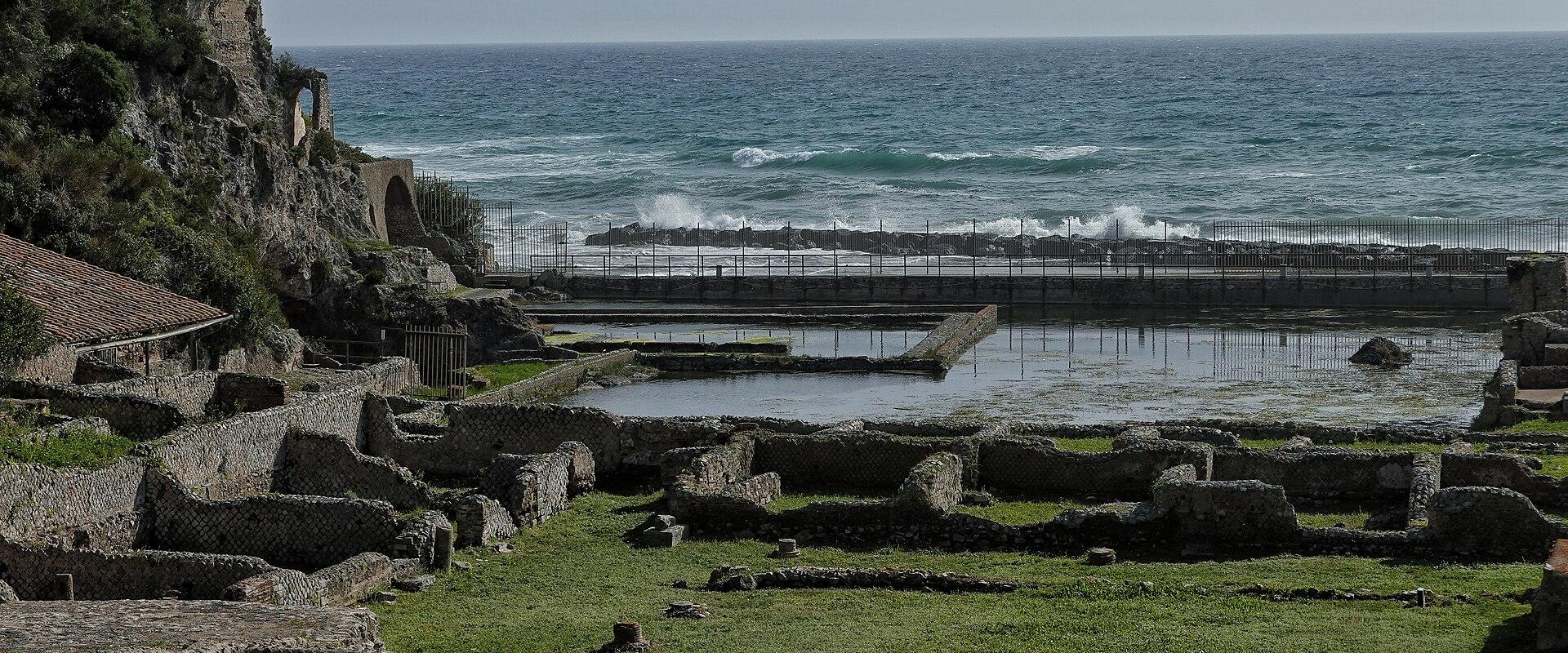
The Museo Archeologico Nazionale di Sperlonga is located on Via Valle Corsara, beside the coast road just outside the town, and it was built to house monumental sculptural groups discovered in the late 1950s within a sea-facing cave. It opened in the 1960s, a short walk from the site where the sculptures were found, and the museum and the cave can easily be visited together. The cave was part of a large residential complex, likely the praetorium of the Emperor Tiberius, a seaside villa and retreat of the emperor, and it was transformed in the early Imperial age into a mythological landscape featuring Homeric subjects around a circular basin filled with seawater.
The ancient sources help explain the setting. The Roman historian Tacitus reports that in AD 26 Tiberius was dining in a natural cave near Fundi, at a villa called Spelunca, the Latin for cave, when rocks fell from the roof and crushed some of the servants, and the praetorian prefect Sejanus shielded the emperor with his own body, an episode that is taken to refer to this site. The name Sperlonga itself comes from that Latin word. The villa was later abandoned, the cave collapsed in antiquity and the sculptures were broken into thousands of fragments, which lay buried until the 1950s, when workers building the nearby road uncovered them.
The museum displays these extraordinary sculptures, offering visitors a deep insight into Roman imperial art and architecture. Painstaking restoration over several decades pieced the fragments together into large groups that illustrate episodes from the Odyssey. One shows Polyphemus, the Cyclops, being blinded by Odysseus and his companions, another the sea monster Scylla seizing sailors from Odysseus’s ship, with a signature on the base naming sculptors from Rhodes, the same school of artists to which the famous Laocoön group in the Vatican is attributed. Other groups show the rescue of the body of Achilles by Odysseus and the abduction of Ganymede by Zeus’s eagle. The scale and drama of the pieces, many of them larger than life, suggest what the setting must have looked like when water lapped around the figures in the cave.
The museum is open most days of the week and closed on Mondays, with hours that change with the season, and the standard admission is modest. An integrated ticket can be bought that covers both the Sperlonga museum and the Museo Archeologico Nazionale di Formia, and e-tickets are available through the Musei Italiani app. Groups of up to 30 people plus a guide are allowed, but reservations are required, so groups should contact the museum in advance. It is wise to check the official site for current details, since last-entry times vary by season.
Exploring the museum provides a tangible connection to the history of Sperlonga and the Roman Empire. It is an essential stop to understand the archaeological significance of the area, complementing visits to the nearby Grotta di Tiberio, which can be visited next to it, with the ruins of the villa and the sea basin. A visit to the museum takes about an hour, and the beach and the white old town above, within a short walk, round out the day.
Categories
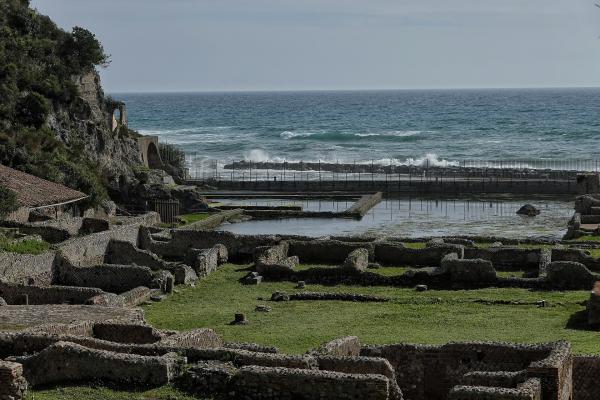
More photos coming soon
Nearby Attractions
Other places to visit in Sperlonga
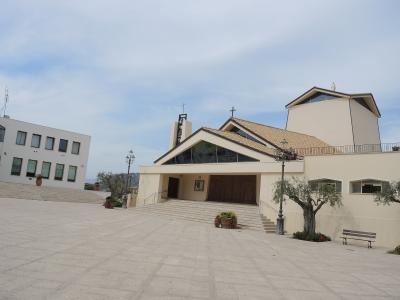
Chiesa di Santa Maria Assunta
Parish church with local architectural style
Architectural Monuments · Historic Churches
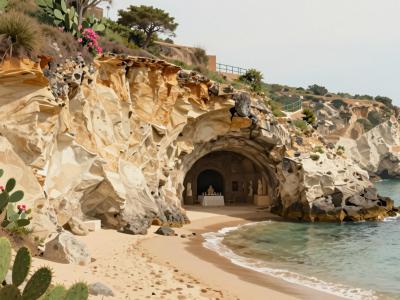
Grotta di Tiberio (Grotta di Nerone)
Tiberian sea cave with Odyssey sculptures
From €10 History & Heritage · Museums & Culture
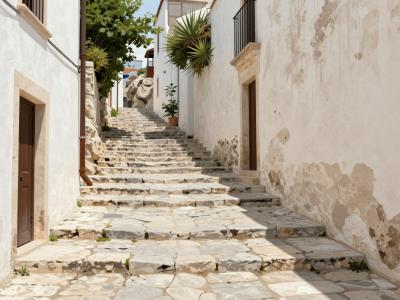
Sperlonga Old Town (Centro Storico)
Cliffside medieval village with ancient Roman grotto
Fishing Villages · Historic Districts
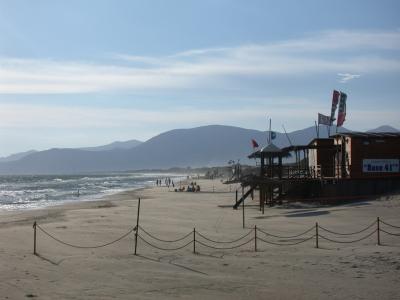
Spiaggia di Sperlonga
Sandy beach in the Regional Park of the Ulysses Riviera
Beaches · Historic Towns
Questions people ask
Quick Facts
Best Time to Visit
Visit between May and June or September and October for warm weather and fewer crowds.