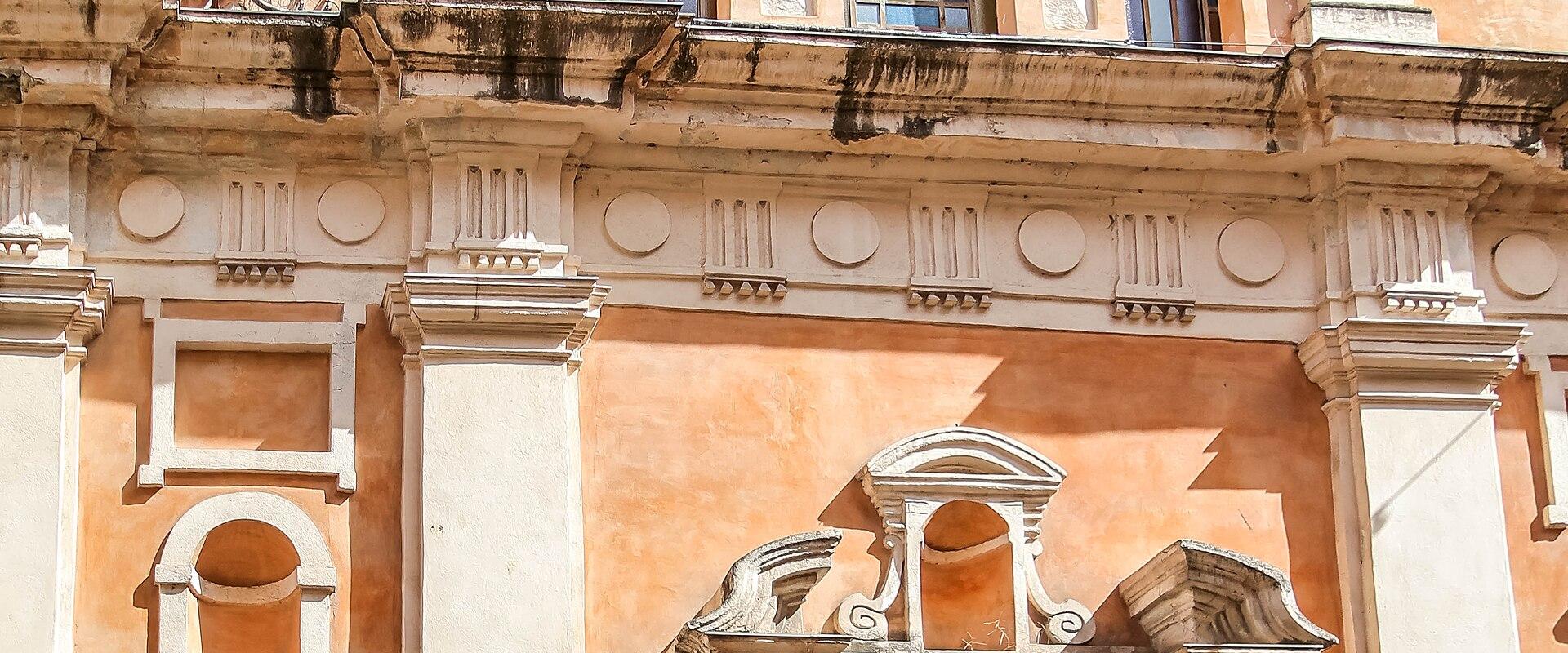
Sassari
Sardinia's second city with medieval history, academic life, and Baroque architecture
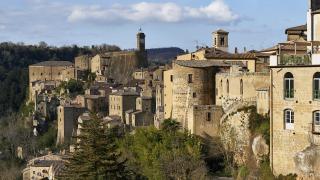
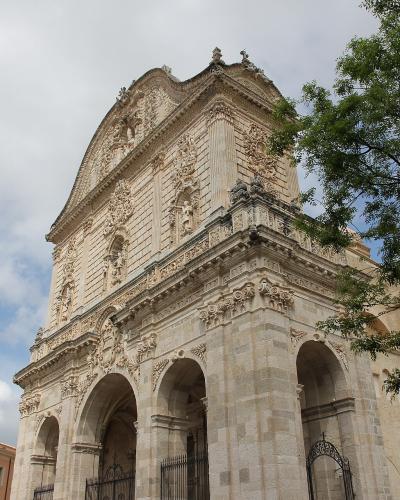
Sassari’s history is deeply rooted in the medieval period. Founded in the 11th century, it became a powerful commune and the capital of the Judicate of Arborea in the 13th century. The city’s strategic location and economic importance led to conflicts with neighboring powers, including the Republic of Genoa and the Kingdom of Aragon. In 1323, Sassari came under Aragonese control, which marked a significant period of architectural and cultural development. The Spanish influence is evident in the city’s Baroque churches and palaces. Sassari remained a key administrative center under Spanish and later Savoyard rule. The University of Sassari, established in 1562, is one of the oldest universities in Italy, contributing to the city’s intellectual and cultural life. Throughout the centuries, Sassari has preserved its medieval layout and historic buildings, making it a valuable example of Sardinian urban heritage.
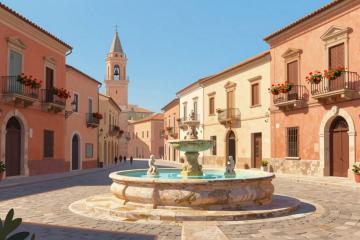
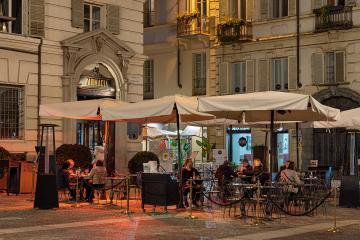
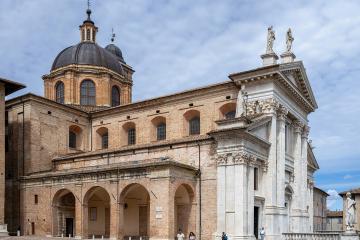
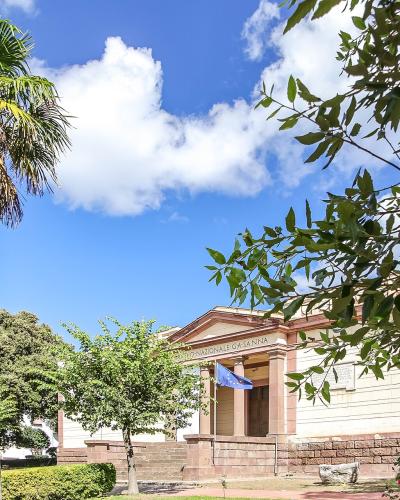
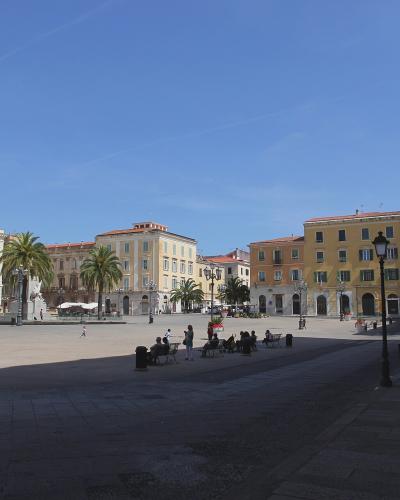
The main attractions in Sassari are concentrated in the historic center. The Cathedral of Santa Maria, a masterpiece of Sardinian Gothic architecture, features a striking facade and a cloister with intricate stonework. Piazza d'Italia is the city’s main square, surrounded by historic buildings and cafes, serving as the social heart of the city. The Palazzo del Governo, a neoclassical building, houses the Provincial Administration. The National Archaeological Museum of Sassari displays artifacts from the Nuragic period, including bronze statues and pottery, offering insights into the island’s ancient civilizations. The Church of San Francesco and the Church of San Domenico showcase Baroque and Gothic styles. The city also hosts the Sartiglia, a traditional equestrian festival held in February, which is one of the most important cultural events in Sardinia. The historic center is a labyrinth of narrow streets, lined with shops, galleries, and traditional bakeries.
Activities in Sassari include exploring the historic sites, visiting museums, and enjoying the local cuisine. The city is known for its traditional Sardinian dishes, such as culurgiones (stuffed pasta), porceddu (roast suckling pig), and local wines like Cannonau. Visitors can take guided tours to learn about the city’s history and the Nuragic civilization. The surrounding area offers hiking trails and access to natural parks, such as the Monte Acuto Regional Park. Sassari is also a gateway to the northern coast of Sardinia, with beaches like La Pelosa in Stintino easily accessible. The city hosts various cultural events and festivals throughout the year, celebrating its artistic and musical traditions. Shopping includes local crafts, ceramics, and food products.
Getting to Sassari is convenient via road and air. The city is well-connected by the SS131 highway, linking it to Cagliari and Olbia. Sassari has a railway station with connections to major cities in Sardinia. For those traveling by air, the Alghero-Fertilia Airport and Olbia-Costa Smeralda Airport are the nearest international gateways, with bus and car connections to Sassari. The best time to visit Sassari is from April to June or September to October, when the weather is mild and pleasant, ideal for exploring the outdoor attractions and historic sites. Summer can be hot, while winter is mild but may bring rain. Despite the seasonal variations, Sassari’s rich history and cultural offerings make it a rewarding destination year-round.
Best Time to Visit
Visit between April and June or September and October for mild temperatures and fewer crowds.
Did you know?
Interesting, verified facts about Sassari
Sassari Has a Distinct Local Story
RecordSassari is the second-largest city in Sardinia, Italy, located in the northwest part of the island.
Source: SARDINIA - Visit Sassari and the Metropolitan City.Plan Your Visit to Sassari
Essential travel tips and information for your trip to Sassari.
Suggested Itineraries
Sassari Weekend Getaway
2 daysTwo-day general exploration of Sassari and surroundings
View ItineraryTravel Tips
Currency
EUR • Cards widely accepted
Language
Italian • English in tourist areas
WiFi
Free WiFi in cafes and hotels
Explore Sassari by Interest
Discover attractions and experiences in Sassari organized by your interests and travel preferences.
All attractions in Sassari
Sorted by our recommendation score
Quick Facts
Book your stay
Frequently Asked Questions
More destinations in Sardinia
Explore other amazing places in the Sardinia region