
Cattedrale di San Nicola
12th-century Romanesque cathedral in Sassari
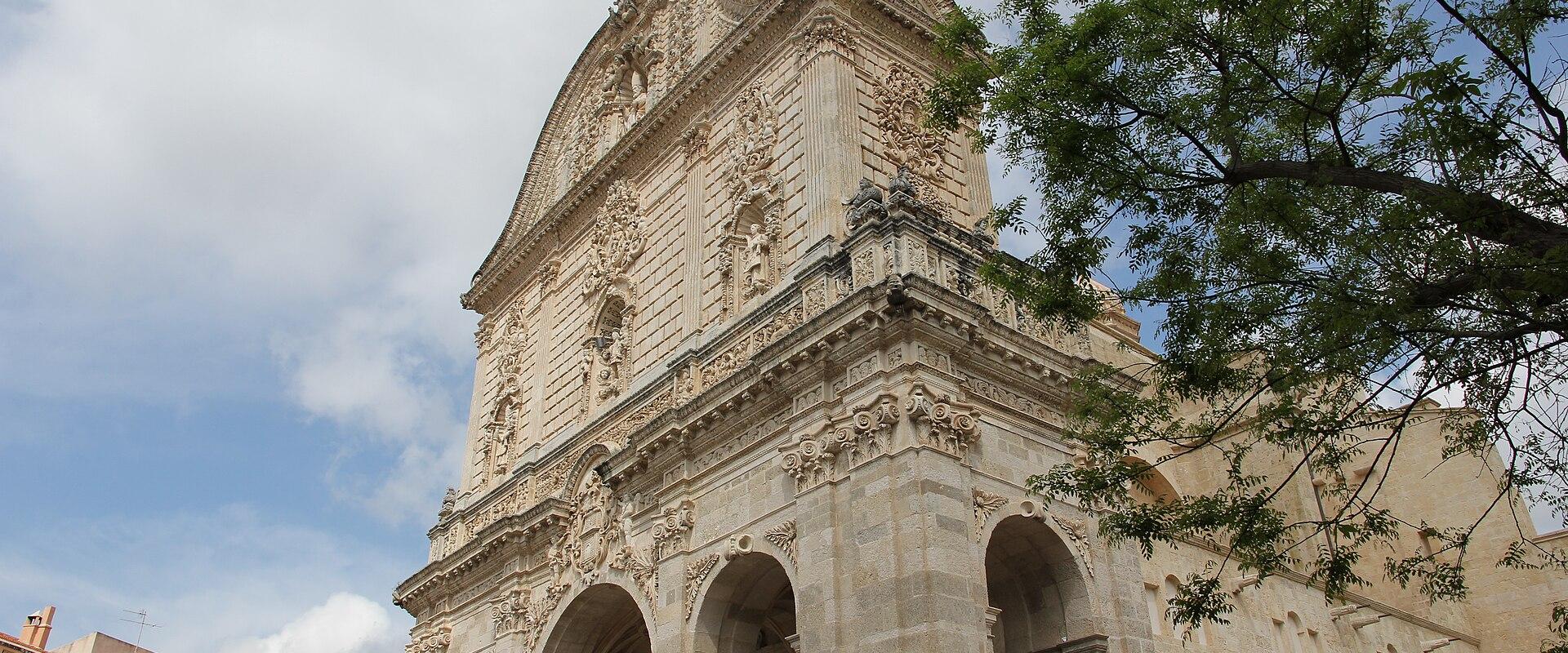
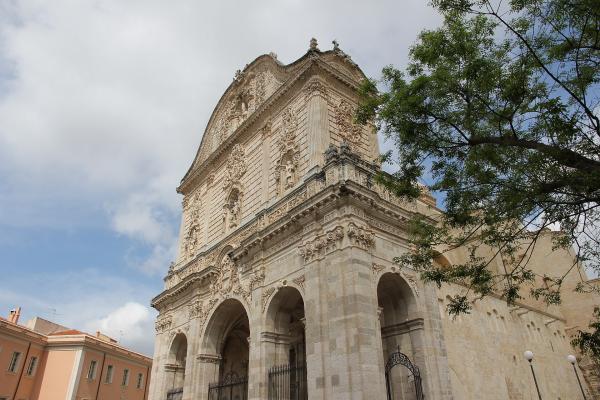
The Cattedrale di San Nicola is located in Sassari, Sardinia. This significant religious landmark showcases a blend of Romanesque-Pisan and Gothic-Catalan architectural styles, reflecting the island’s complex history under various rulers. The structure features a distinctive Baroque façade that contrasts with its earlier medieval foundations.
For visitors planning to see this cathedral, it is located in Piazza Duomo in the historic center of Sassari. The building serves as a prime example of Sardinian ecclesiastical architecture, with interiors that highlight the artistic influences of the Pisan and Catalan periods. Visitors can explore the nave, chapels, and the main altar, observing the intricate details that have survived centuries of historical change. The cathedral remains an active place of worship, so visitors are expected to maintain a respectful demeanor during their visit.
It is advisable to check local listings for current access information. The journey from Olbia to Sassari offers a chance to explore the interior of Sardinia, providing context to the island’s diverse cultural heritage. The Cattedrale di San Nicola stands as a testament to the religious and artistic legacy of Sassari, offering a meaningful stop for those interested in history and architecture.
Categories
More photos coming soon
Nearby Attractions
Other places to visit in Sassari
Frequently Asked Questions
Quick Facts
Best Time to Visit
Visit between April and June or September and October for mild temperatures and fewer crowds.