







- Admission
- Free admission
- Hours
- Open 24 hours a day
- Where
- Sassari, Sardinia
- Directions
- Directions
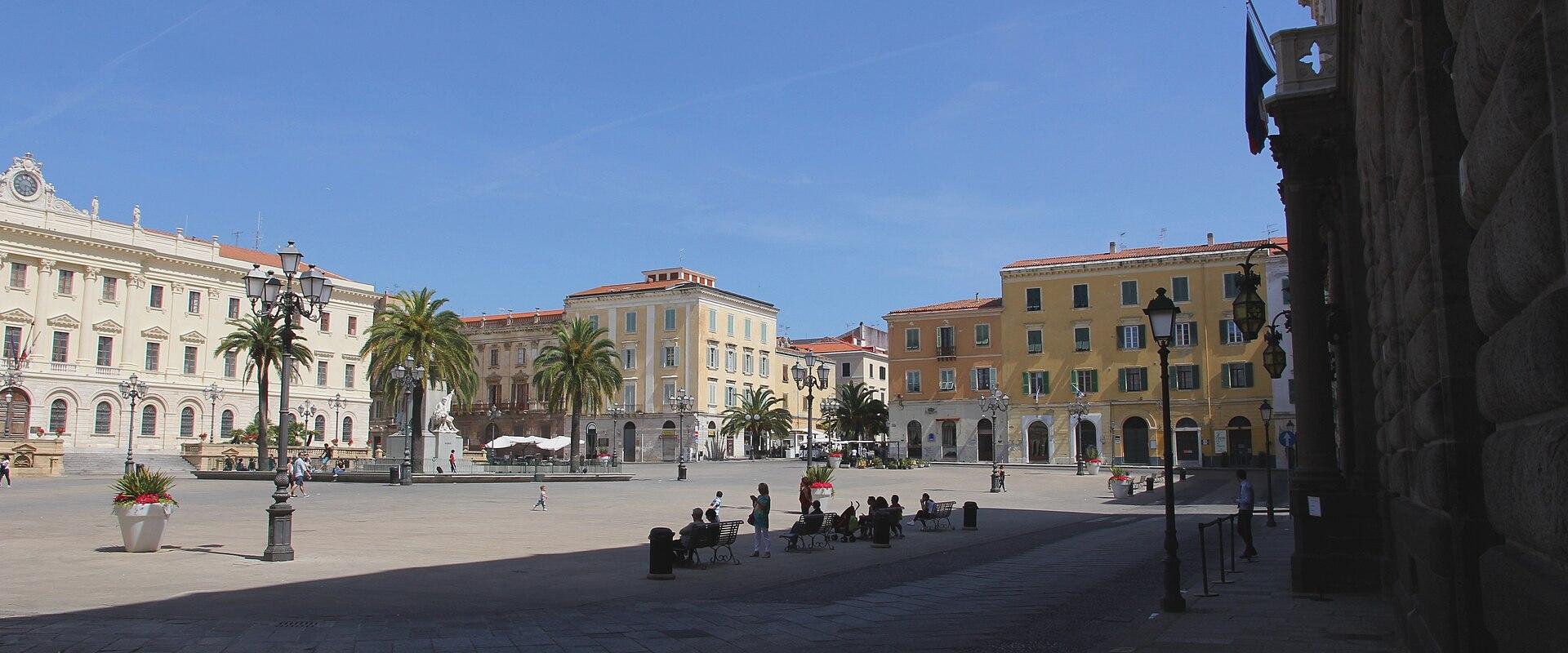
Piazza d’Italia is the principal civic square of Sassari, the second city of Sardinia, and it is a rare example in the island of a formal, planned square of the 19th century. It lies on the edge of the old medieval centre, close to Corso Vittorio Emanuele II, the long main street of the old town, and it was conceived after the unification of Italy, in the 1860s and 1870s, as a symbol of the new state and of the city’s modern identity, a monument of the Risorgimento era. Sassari had been a walled medieval town of narrow lanes, and the leaders of the town wanted a grand, open space with new public buildings that would show its place in the Kingdom of Italy. Construction began in 1872, following many years of discussion and planning.
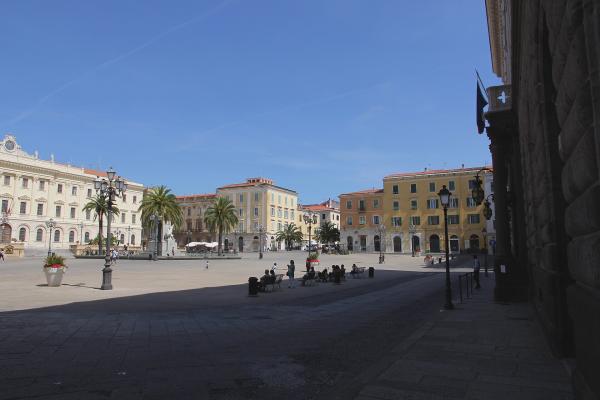
The design is rigidly formal. The square is a large rectangle, covering roughly a hectare, laid out on a regular plan and surrounded by buildings of a uniform Neoclassical style, with arcades and balanced facades, so it has an air of order and stability, which was intended to project the dignity of the authorities. It is the largest piazza in Sassari, and its open space contrasts strongly with the cramped streets nearby. In the centre stands a bronze statue of King Victor Emmanuel II, the first king of united Italy, set on a tall pedestal, which was installed at the end of the 19th century and makes the political message of the square clear. Palm trees and gardens soften the severity.
The dominating building is the Palazzo della Provincia, the seat of the provincial government, a large neoclassical palace of the 1870s with a regular facade and a clock tower, which was designed by the engineer Eugenio Sironi. On other sides of the square stand the Palazzo Giordano, another imposing 19th-century building, and a number of banks and offices. Together the buildings form one of the most coherent examples of civic architecture in Sardinia. At times, the square is the setting for public events, concerts and festivals, such as the celebrations of the Cavalcata Sarda, the colourful parade of traditional costumes held each May, and in the evening, it is a favourite place for a stroll.
The square is open round the clock, with free access and no gates, so it can be enjoyed at any time, though it is most pleasant in the evening. A visit takes only a short while, but it makes a natural start for a walk through the town. From here, Corso Vittorio Emanuele II leads into the old centre, to the Cattedrale di San Nicola, with its Baroque facade, and to the Cathedral, and to the Museo Archeologico Nazionale di Sassari, which tells the story of Sardinia’s prehistoric nuraghic culture. The Lago di Baratz, a rare natural lake, lies farther away near the coast. The piazza suits those interested in 19th-century architecture, urban planning and Italian history.
More photos coming soon
Hours & Fees
- Open
- Open 24 hours a day
- Admission
- Free admission
Hours and prices change, especially out of season. Check with the venue before you go.
Nearby Attractions
Other places to visit in Sassari
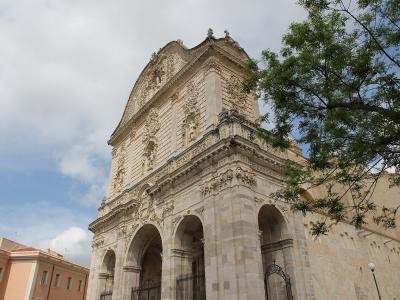
Cattedrale di San Nicola
12th-century Romanesque cathedral in Sassari
Architectural Monuments · Historic Churches
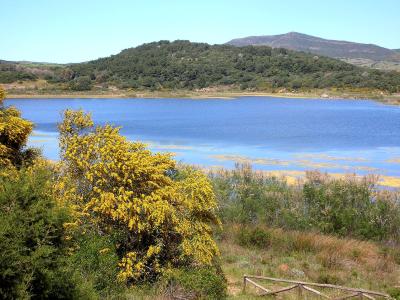
Lago di Baratz
Sardinia's only natural lake with 30m dunes
Activities & Wellness · Coastal & Maritime
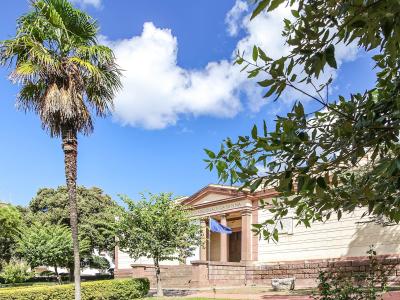
Museo Archeologico Nazionale di Sassari
Neoclassical museum with Paleolithic to medieval collections
From €2 Archaeological Museums · Historic Palaces
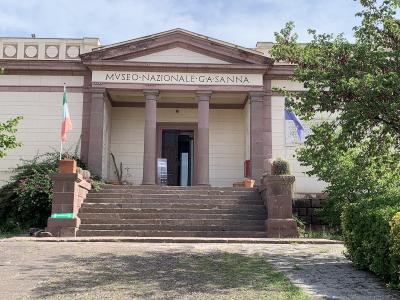
Museo Archeologico Nazionale G. A. Sanna
Sardinia's national archaeological museum in Sassari
From €2 Archaeological Museums
Questions people ask
Quick Facts
Best Time to Visit
Visit between April and June or September and October for mild temperatures and fewer crowds.