







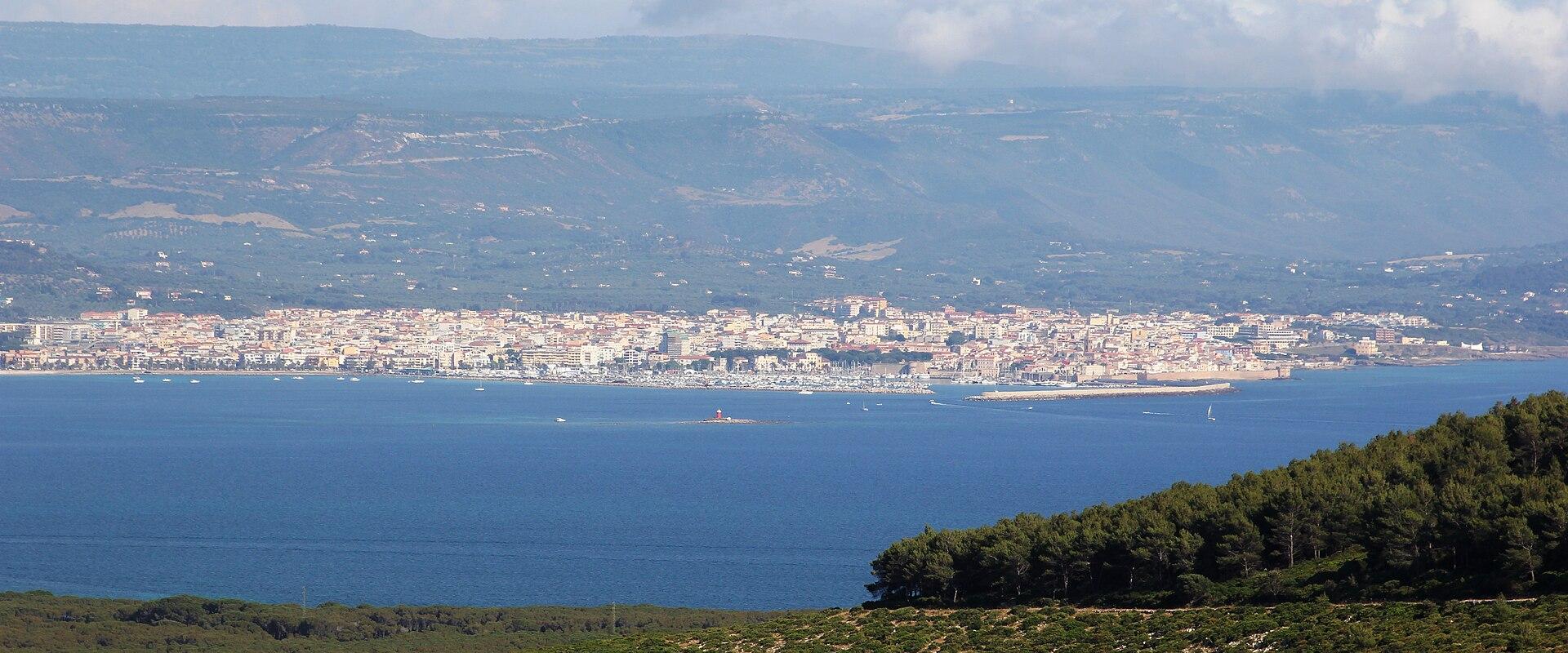
Alghero’s history is shaped by its strategic position and its cultural mix. Originally a small fishing village, it was conquered by the Crown of Aragon in 1353. In 1354 King Peter IV of Aragon repopulated the town with Catalan settlers to strengthen his hold on the island. This event decisively shaped Alghero’s identity, introducing the Catalan language and culture, which survive today as a recognized minority language alongside Italian. The town was fortified with massive walls and bastions to protect against pirate attacks, a system that largely survives. During the Spanish and later Savoyard rule Alghero remained a distinct cultural enclave. In the 19th and 20th centuries it changed from a fortified military outpost into a thriving tourist destination, thanks to its mild climate, scenic coastline, and unique cultural heritage. The city preserves its medieval layout, with the historic centre, known as the Catalan Quarter, giving a glimpse of its past.
The main attractions are centred on the historic centre and the natural landmarks. The City Walls, known as the 'Mura,' encircle the old town and offer a scenic promenade with views of the sea. The Torre Porta a Terra, the Porta Terra tower, is a historic landmark at the land gate. Within the walls, the Cathedral of St. Mary of the Immaculate, the Cathedral of St. Mary, has a Gothic-Catalan bell tower and a neoclassical facade, and is the most significant religious site in town. The Church of San Francesco, with its cloister, is a major monument of Gothic Catalan style. The Piazza del Carmine is a lively square beside a church of the same name. The Via Roma and Via Garibaldi are the main shopping streets. Outside the walls, the Capo Caccia promontory has limestone cliffs and the famous Neptune’s Grotto (Grotta di Nettuno), a sea cave that can be reached by boat or by a steep staircase of 654 steps. The Porto Conte Natural Park protects a long stretch of coast, with walking trails and wildlife. The beaches of the Coral Riviera, such as Lazzaretto and Maria Pia, are known for clear water and fine sand. The town also has many Catalan-style palaces and churches.
Activities in Alghero include exploring the historic centre, visiting the grotto, and enjoying the beaches. The city is known for its cuisine, which blends Sardinian and Catalan influences, including shellfish and local seafood. Visitors can take boat trips to Neptune’s Grotto and nearby islands such as Asinara. The area offers hiking along the coastal trails and cycling. Alghero also hosts festivals, including the Festa de la Mercè, celebrating its Catalan roots, and the feast of San Michele in late September. Shopping includes local ceramics, textiles, and wine, and the red coral that gave the coast its name is worked into jewellery. For those interested in history, guided tours explore the Catalan and medieval heritage of the city.
Getting to Alghero is convenient by air and road. Alghero-Fertilia Airport is about 15 kilometres from the city, offering domestic and international flights. The city is connected by road to Sassari and Cagliari via the SS131 highway. The nearest major train station is in Sassari, with bus connections to Alghero.
The best time to visit Alghero is from May to June or September to October, when the weather is warm and pleasant, ideal for beach activities and sightseeing. July and August are peak tourist months, with higher temperatures and larger crowds. Winter is mild but can be windy. Despite the seasonal variations, Alghero’s rich cultural blend and natural beauty make it a rewarding destination year-round.
Best time to visit
Visit between May and June or September and October for warm weather and fewer crowds.
What to see in Alghero
Our picks first.
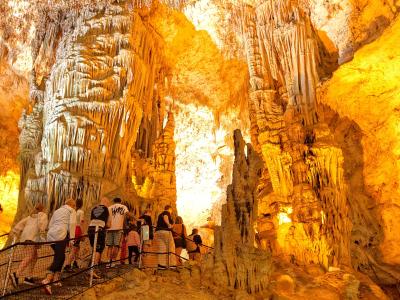
Grotta di Nettuno (Neptune's Grotto)
Sea cave with boat access and stalactites
Activities & Wellness · Coastal & Maritime
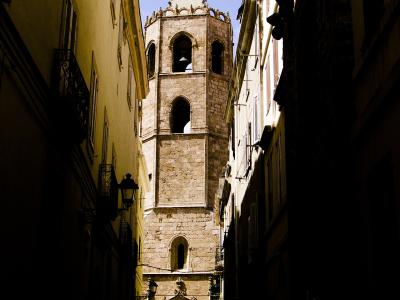
Cathedral of St. Mary of the Immaculate
Catalan-Gothic and Renaissance cathedral in Alghero
Architectural Monuments · Historic Churches
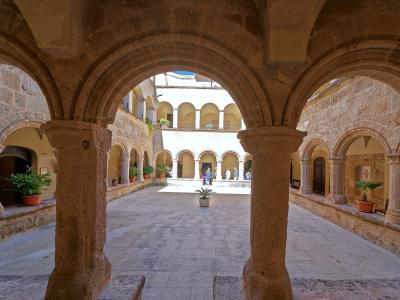
Church of San Francesco
15th-century Gothic complex with hexagonal bell tower
Architectural Monuments · Historic Churches
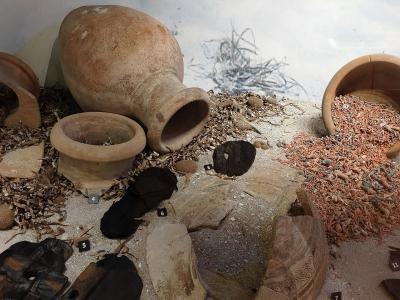
Museo Archeologico Nazionale
Neolithic to Medieval artifacts in historic building
History & Heritage · Archaeological Museums
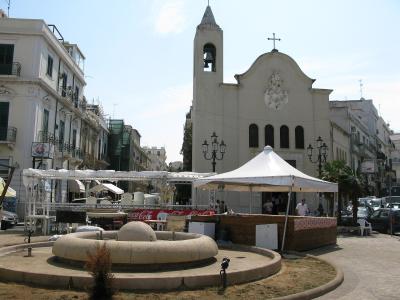
Piazza del Carmine
Historic square with Carmelite church
Historic Churches · Historic Districts
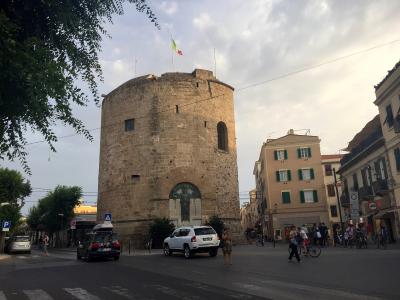
Porta Terra
23m tower with 360-degree views and city history
Free Architectural Monuments · Cultural Tours
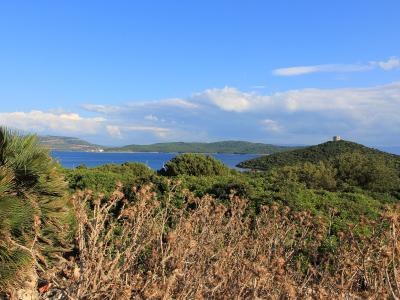
Porto Conte Natural Park
Wild cliffs, sea caves, and rare wildlife
Activities & Wellness · Coastal & Maritime
Alghero by interest
The same sights, grouped by what you came for.
Did you know?
Checked facts about Alghero, each with its source.
-
History
Catalan Settlers Took Over Alghero in 1354
After the Catalan-Aragonese fleet beat the Genoese at Porto Conte in 1354, Peter IV of Aragon took Alghero and repopulated it with Catalans, who for almost two centuries were the town's only inhabitants. A local variety of Catalan is still spoken there, and the town is nicknamed 'Barceloneta', little Barcelona.
Source: L'Unione Sarda
Planning a visit to Alghero
Good to know
- Currency
- EUR
- Language
- Italian
Quick Facts
Book your stay
Questions people ask
More places in Sardinia
Sardinia
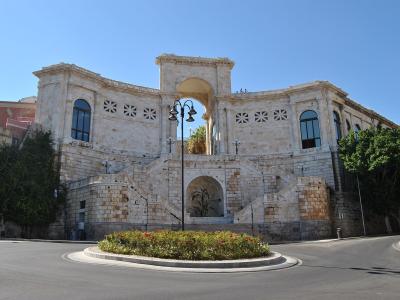
Cagliari
Sardinian capital with medieval Castello district and Poetto Beach
Sardinia
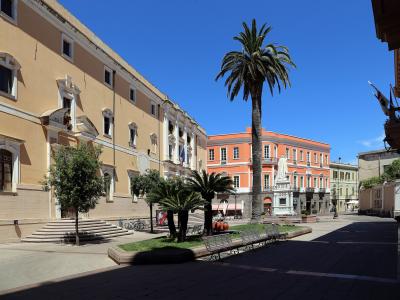
Oristano
Sardinian coastal city known for Sartiglia festival and medieval history
Sardinia
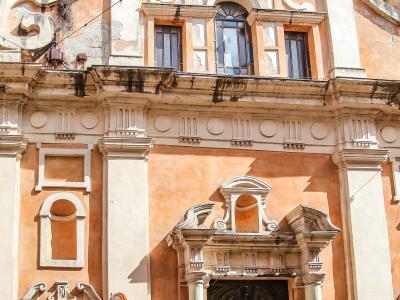
Sassari
Sardinia's second city with medieval history, academic life, and Baroque architecture
Sardinia
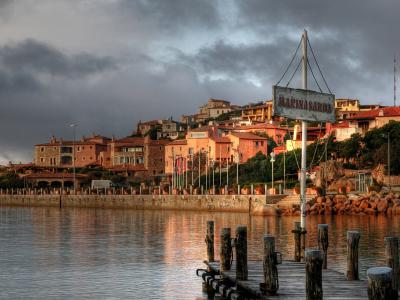
Costa Smeralda
Ultra-luxury Sardinian coast with white sand beaches and Porto Cervo