







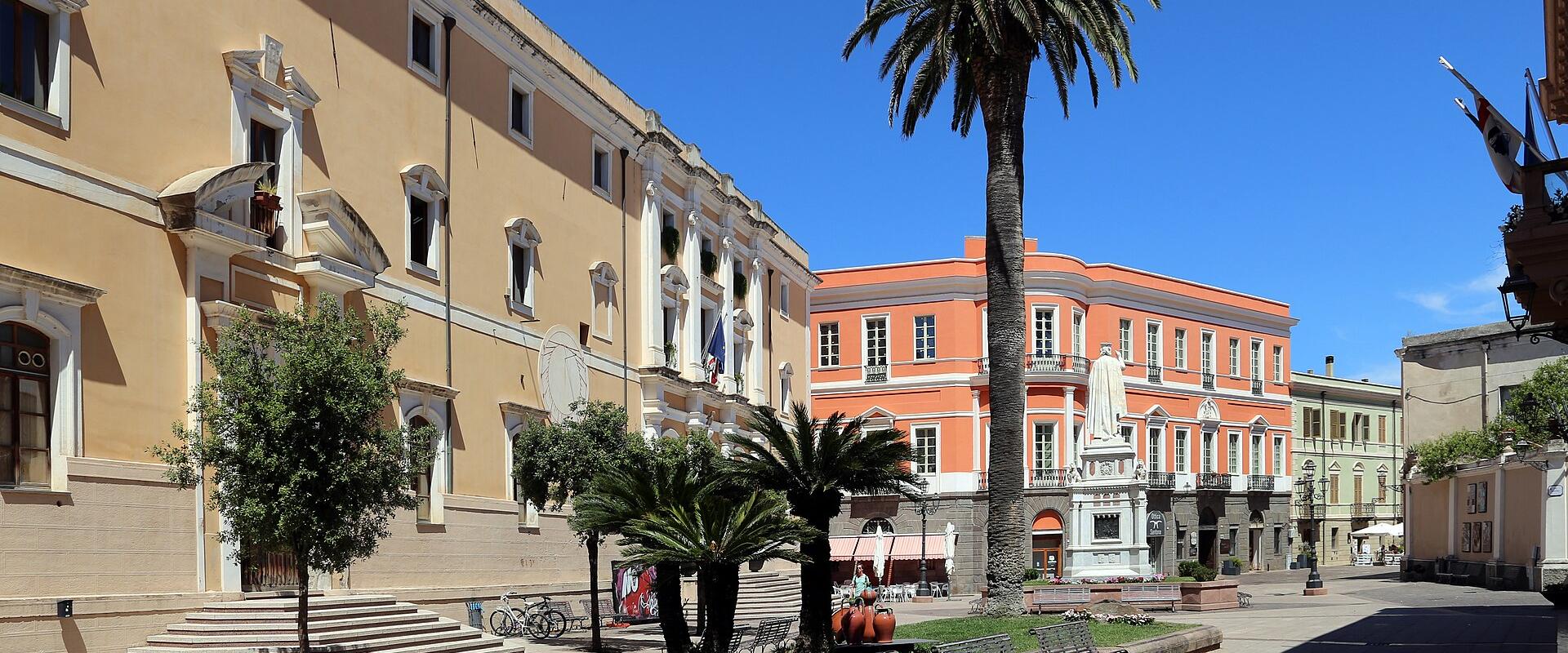
Oristano’s history is deeply rooted in the medieval period, particularly in the era of the Judicates of Sardinia. In the 11th century it became the capital of the Judicate of Arborea, a powerful independent state that resisted Aragonese domination for centuries. The city flourished as a political and cultural centre, and the Judicate of Arborea promoted Sardinian language and law; the Carta de Logu, issued by Eleonora of Arborea in the late 14th century, was a notable legal code. The Judicate fell to the Crown of Aragon in 1420, but Oristano kept its importance as a provincial capital. The historic centre has narrow streets, medieval palaces, and churches that reflect this rich past. The city also played a significant part in the resistance against foreign rule, with figures such as Leonardo Alagon leading uprisings in the 15th century. Today Oristano preserves its architectural heritage, including Gothic and Renaissance buildings, and keeps its cultural identity through festivals and traditions that celebrate its medieval legacy.
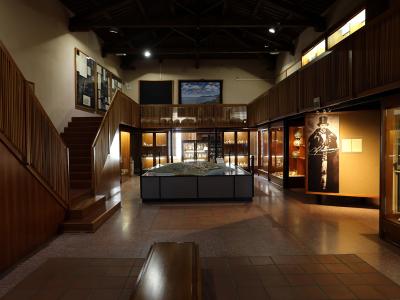
The main attractions are centred on the historic centre and the cultural institutions. The Cathedral of Santa Maria Assunta, a Gothic masterpiece that was rebuilt in Baroque times, is the city’s most prominent landmark, with a bell tower topped by a dome of coloured tiles, a beautiful facade, and an interior with altarpieces. The Antiquarium Arborense, officially the National Archaeological Museum of Oristano, is a museum devoted to the history of the Judicate of Arborea and the region, with finds from the Nuragic, Phoenician, and Roman periods as well as the medieval era. The Torre di Mariano II, a medieval tower, was built in the 13th century and stands in the centre of the old town, a reminder of the city’s walls. The historic centre is filled with narrow streets, lined with artisan shops, cafes, and restaurants serving traditional Sardinian cuisine. The Sinis Peninsula, nearby, gives access to the ancient Phoenician and Roman ruins of Tharros, and to beautiful beaches such as Is Arutas, known for its quartz grains, and the town of Cabras, on a lagoon.
The Sartiglia is a historic equestrian festival held in February, in which masked riders on horseback try to spear a star-shaped ring while galloping down the main street. It is one of the most important cultural events in Sardinia, and the Oristano Carnival is built around it.
Activities in Oristano include exploring the historic sites, visiting museums, and enjoying the local cuisine. The city is known for traditional Sardinian dishes, including culurgiones (pasta), roasted lamb, and wines such as Cannonau and Vermentino, along with the local golden Vernaccia di Oristano. Visitors can take guided tours to learn about the history of the Judicate of Arborea and the Sartiglia tradition. The surrounding area offers hiking, cycling, and beach visits, with access to the Sinis Peninsula and the nearby town of Cabras, known for its salt flats, flamingos, and the mullet roe called bottarga. Oristano also hosts festivals and events through the year, celebrating its cultural heritage. Shopping includes local ceramics, textiles, and food products. For those interested in history, guided tours explore the medieval and Roman heritage of the region.
Getting to Oristano is easiest by road. The city is reached by car from Cagliari, about 100 kilometres away, via the SS131 highway. Oristano has a railway station on the main line across Sardinia, with trains to Cagliari and other towns. For those flying, the nearest airports are in Cagliari and Alghero.
The best time to visit Oristano is from April to June or September to October, when the weather is mild and pleasant, ideal for outdoor attractions and historic sites. July and August are peak tourist months, with higher temperatures and larger crowds. Winter is cool but offers a quieter experience, with the city’s museums and cafes providing cultural entertainment. Despite the seasonal variations, Oristano’s rich history and cultural offerings make it a rewarding destination year-round.
Best time to visit
Visit between April and June or September and October for mild temperatures and fewer crowds.
What to see in Oristano
Our picks first.

Oristano by interest
The same sights, grouped by what you came for.
Did you know?
Checked facts about Oristano, each with its source.
-
Legend
Oristano's Sartiglia Riders Gallop to Spear a Star
At Carnival, horsemen in Sardinian-Spanish costume gallop at full speed through Oristano's historic centre in the Sartiglia, trying to hook a hanging star on their swords: once on Carnival Sunday for the farmers' guild and again on Shrove Tuesday for the carpenters' guild.
Source: Sardegna Turismo
Planning a visit to Oristano
Itineraries that include Oristano
Good to know
- Currency
- EUR
- Language
- Italian
Quick Facts
Book your stay
Questions people ask
More places in Sardinia
Sardinia
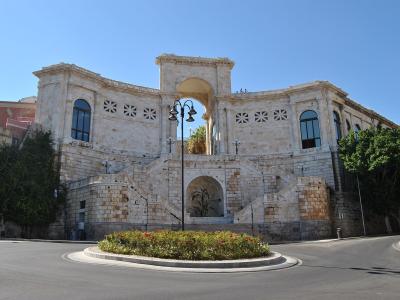
Cagliari
Sardinian capital with medieval Castello district and Poetto Beach
Sardinia
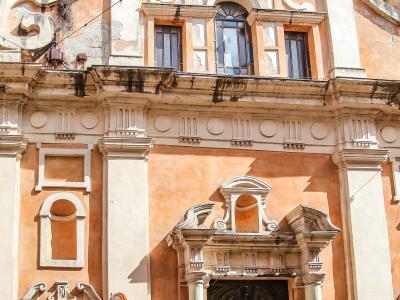
Sassari
Sardinia's second city with medieval history, academic life, and Baroque architecture
Sardinia
Alghero
Catalan-speaking coastal city in Sardinia with medieval walls and grottos
Sardinia
Costa Smeralda
Ultra-luxury Sardinian coast with white sand beaches and Porto Cervo