Ragusa
UNESCO Baroque city in Sicily split into Ibla and Superiore
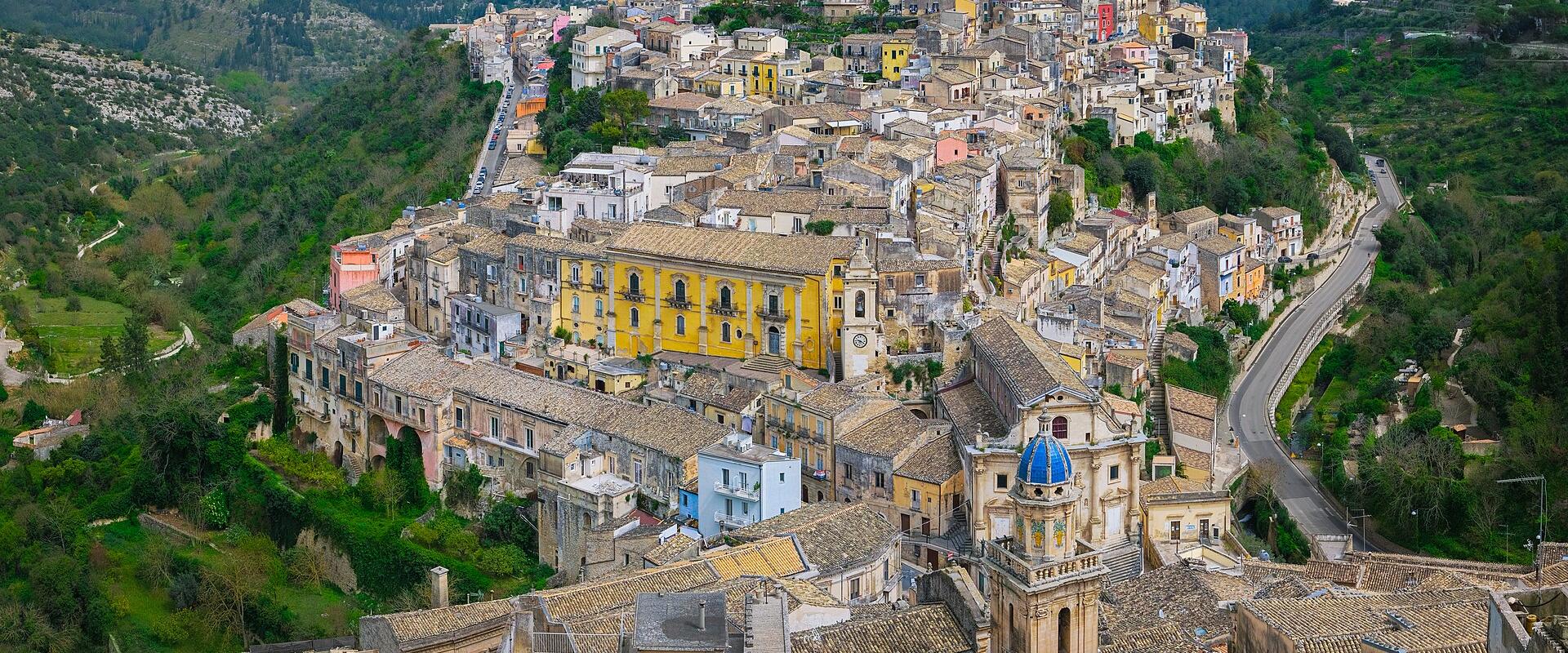
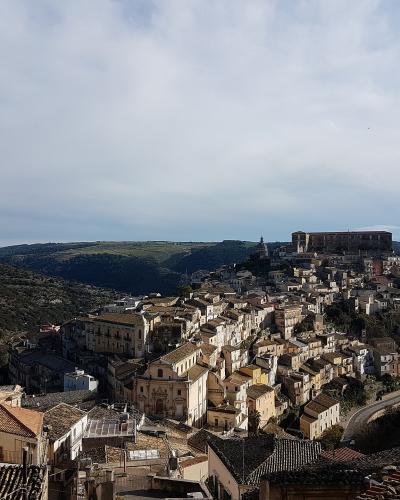
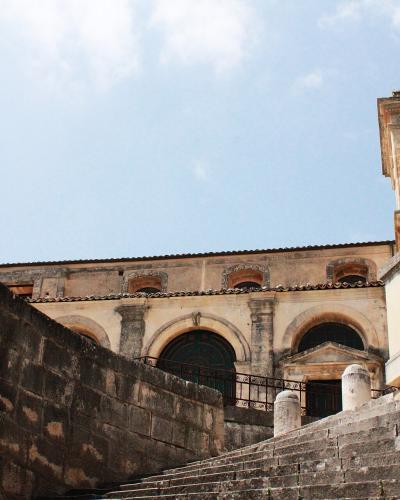
Ragusa’s history is deeply rooted in its medieval origins, with settlements dating back to the Byzantine and Arab periods. The original city, known as Ragusa Vecchia, was located in the valley. In 1693, a massive earthquake devastated the region, destroying Ragusa Vecchia and much of southeastern Sicily. The city was rebuilt in two distinct sections: Ragusa Superiore on the higher plateau and Ragusa Ibla in the valley, which was reconstructed on the ruins of the old town. This dual structure defines the city today. The reconstruction period saw the flourishing of Sicilian Baroque architecture, with many churches and palaces built using the local golden limestone. Ragusa became a center of agriculture and trade, particularly in wine and grains. Today, the city preserves its historic centers, with Ragusa Ibla being particularly famous for its labyrinthine streets and Baroque facades, reflecting its layered past as a medieval settlement and a Baroque masterpiece.
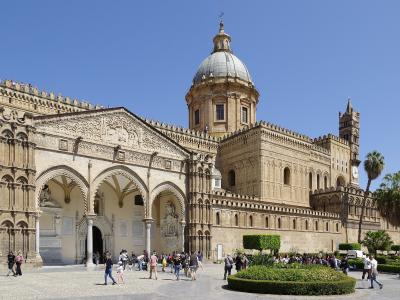
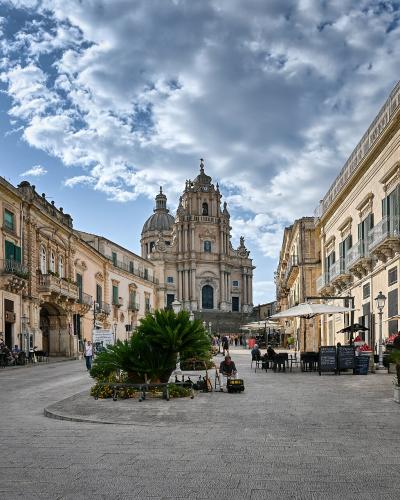
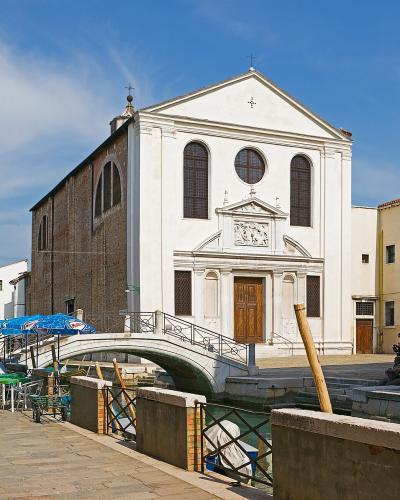
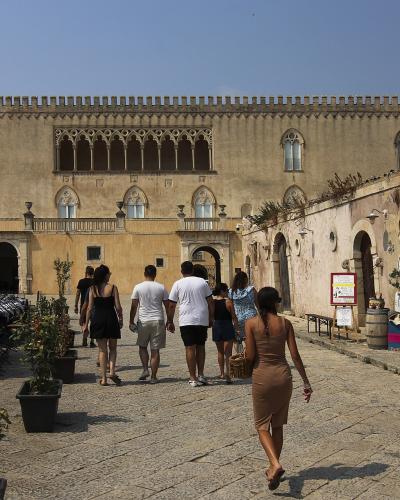
The main attractions in Ragusa are centered around its two historic centers. Ragusa Ibla is the most visited part, featuring the Cathedral of San Giorgio, a masterpiece of Sicilian Baroque with a dramatic double staircase and ornate facade. The Church of San Giuseppe, with its intricate spiral staircase and dome, is another key landmark. The Palazzo Ducale, located in Ragusa Superiore, serves as the town hall and houses the Civic Museum, featuring art and artifacts from the city’s history. The Ibla district is a maze of narrow streets, hidden squares, and artisan shops. The Church of Santa Maria delle Scale, with its unique elliptical plan, is also a significant site. The contrast between the upper and lower towns offers diverse perspectives of the city’s architecture and layout.
Activities in Ragusa include exploring the historic centers, visiting museums, and enjoying the local cuisine. The city is known for its traditional Sicilian dishes, including ricotta dumplings (cannoli), fresh pasta, and local wines like Cerasuolo di Vittoria. Visitors can take guided tours to learn about the history of the 1693 earthquake and the Baroque reconstruction. The surrounding area offers opportunities for hiking in the Iblean Mountains and visiting nearby towns like Modica and Scicli, which are also part of the UNESCO site. Ragusa also hosts various festivals and events throughout the year, including the Feast of San Giorgio and the Ragusa Baroque Festival. Shopping includes local ceramics, textiles, and food products. For those interested in history, guided tours are available to explore the Baroque and medieval heritage of the city.
Getting to Ragusa is convenient via road. The city is accessible by car from Catania, approximately 60 kilometers away, via the SS115 road. Ragusa does not have a railway station; the nearest stations are in Modica and Vittoria, with bus connections to Ragusa. For those traveling by air, the nearest airports are Catania Fontanarossa Airport and Comiso Airport. The best time to visit Ragusa is from April to June or September to October, when the weather is warm and pleasant, ideal for exploring the outdoor attractions and historic sites. July and August are peak tourist months, with higher temperatures and larger crowds. Winter is mild but can be windy. Despite the seasonal variations, Ragusa’s rich history and architectural beauty make it a rewarding destination year-round.
Best Time to Visit
Visit between April and June or September and October for warm weather and fewer crowds.
Did you know?
Interesting, verified facts about Ragusa
Ragusa Has a Distinct Local Story
HistoryRagusa is a historic city in the Sicily region of southern Italy, located in the province of Ragusa.
Source: Province of Ragusa - WikipediaRagusa Has a Second Local Claim
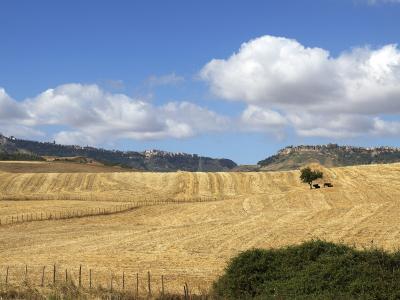
HistoryIt serves as a premier tourism destination where Baroque grandeur meets the rugged beauty of the Iblean plateau.
Source: Hyblaean MountainsRagusa Has Another Verifiable Detail
HistoryThe city is renowned for its unique layout, divided into two distinct parts: Ragusa Superiore, the upper town built on a plateau, and Ragusa Ibla, the lower town built in the valley below.
Source: Ragusa, Sicily - WikipediaRagusa Has Deep Founding Roots
HistoryThis division resulted from the catastrophic 1693 earthquake that destroyed the original city, leading to a reconstruction in the Sicilian Baroque style.
Source: 1693 Sicily earthquake - WikipediaPlan Your Visit to Ragusa
Essential travel tips and information for your trip to Ragusa.
Suggested Itineraries
One Day in Ragusa
1 dayPerfect for a quick visit. See the main highlights and get a taste of local culture.
Extended Ragusa Experience
2-3 daysComprehensive exploration including nearby attractions and cultural experiences.
Travel Tips
Currency
EUR • Cards widely accepted
Language
Italian • English in tourist areas
WiFi
Free WiFi in cafes and hotels
Explore Ragusa by Interest
Discover attractions and experiences in Ragusa organized by your interests and travel preferences.
All attractions in Ragusa
Sorted by our recommendation score
Quick Facts
Book your stay
Frequently Asked Questions
More destinations in Sicily
Explore other amazing places in the Sicily region