







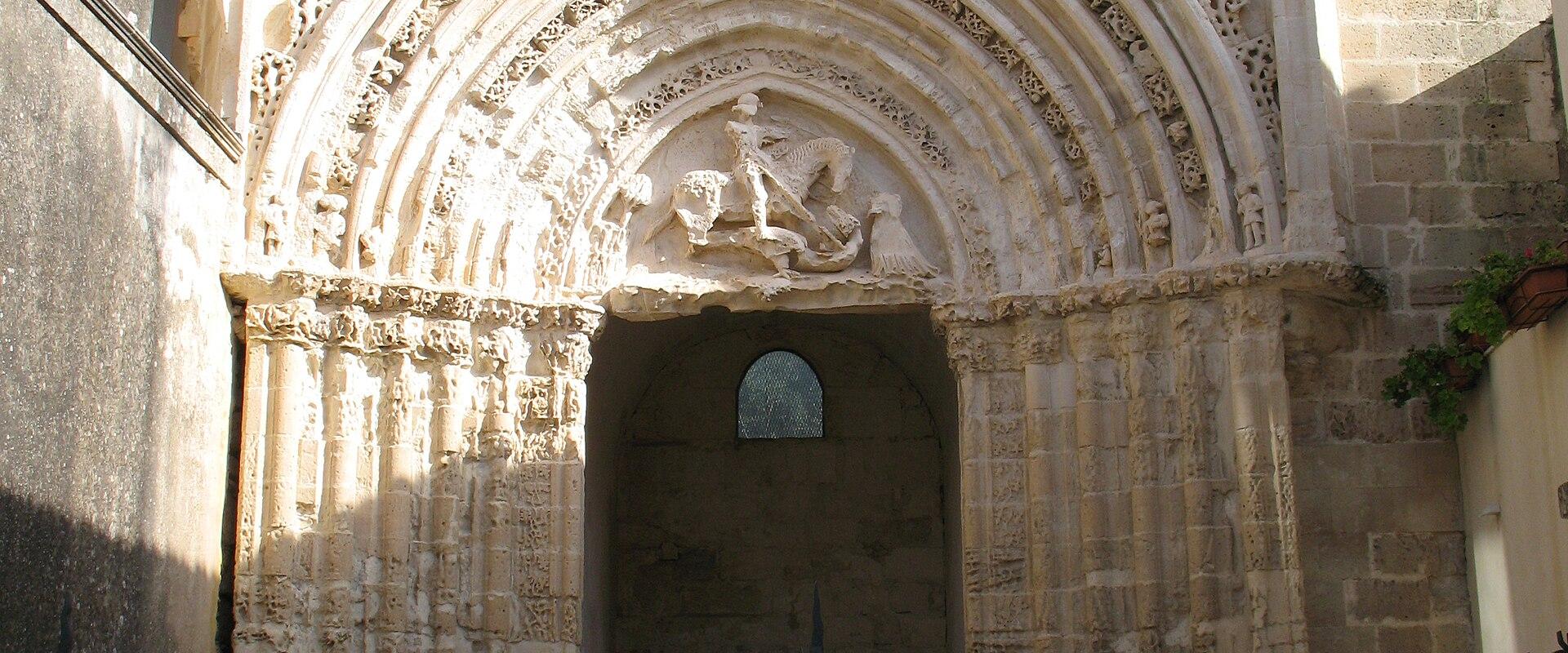
Portale di San Giorgio
Gothic portal of Ibla's old San Giorgio church, wrecked in 1693
- Where
- Ragusa, Sicily
- Directions
- Directions
The Portale di San Giorgio is the surviving Gothic doorway of the old church of San Giorgio in Ragusa Ibla, and it is one of the symbols of the city. It stands beside the entrance to the Giardino Ibleo, at the eastern end of Ibla, isolated in the street like a stage set, the last visible piece of a church that was once the most important in the town.
The medieval church of Saint George was enlarged under Count Goffredo, who died in 1120, and is documented in 1308 to 1310 next to the palace of the Chiaramonte family, who then ruled the lordship of Ragusa. In 1382 the fief passed to the Cabrera family, who turned the church into their family pantheon; Count Bernardo Cabrera, lord of Ragusa from 1392 to 1419, was buried there. Profits from sugar cane, silk and farming funded rebuilding in the sixteenth century, and in 1573 the local aristocracy commissioned a great sculpted altarpiece from Antonino Gagini. A bell tower completed in 1550 by the architect Antonino Di Marco was said to be around a hundred metres tall, until lightning brought it down in 1692. The following year the earthquake of 1693 wrecked the church, and in 1718 the remains were ordered demolished. Ibla's new Duomo di San Giorgio was built in a different place, at the top of the main square, and the Cabrera tomb and parts of the Gagini altarpiece were moved there.
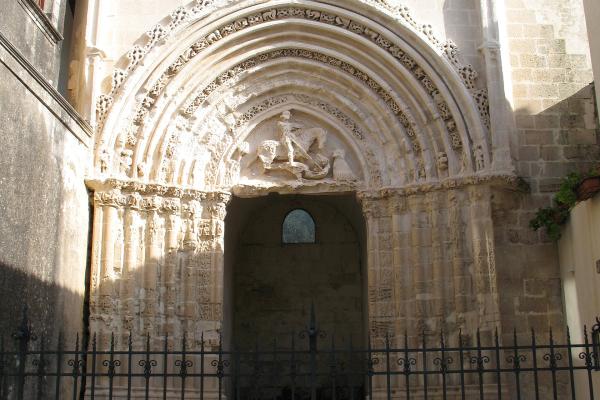
What remains is the portal, which was once the side entrance on the right of the old church. It is built of soft limestone with a faint pink tone. In the lunette above the lintel, Saint George on horseback spears the dragon while the princess of Berytus kneels and watches. The arch sits between fluted pilasters, and above it two large lozenges hold the eagle of Ragusa. The splayed jambs are made of clusters of slender columns that join to form the arch, and their spaces are filled with figures representing arts and trades and a parade of monsters and imaginary creatures among leaves and flowers, in the manner of medieval bestiaries.
The portal is free to see at any time and takes only a few minutes, but it rewards close attention to the carving. It is right by the Giardino Ibleo, so it fits naturally into a walk to the eastern end of Ibla, and it suits anyone interested in medieval sculpture or in how the 1693 earthquake reshaped the town.
More photos coming soon
Nearby Attractions
Other places to visit in Ragusa
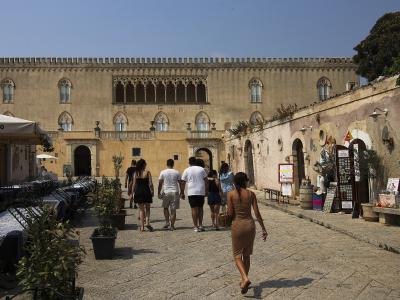
Castello di Donnafugata
19th-century castle with historic gardens and costume museum
Botanical Gardens · Castles & Fortresses
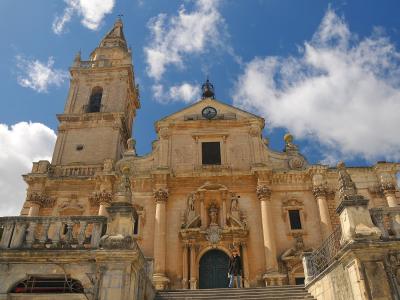
Cattedrale di San Giovanni Battista
Upper-town Baroque cathedral begun 1718, with twin 1751 sundials
Architectural Monuments · Historic Churches
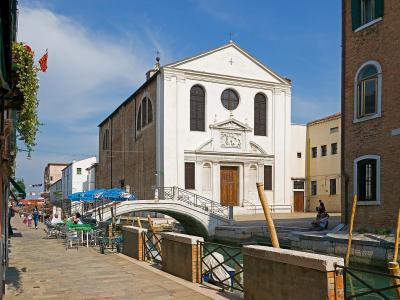
Chiesa di San Giuseppe
Baroque church with distinctive onion dome
Architectural Monuments · Historic Churches
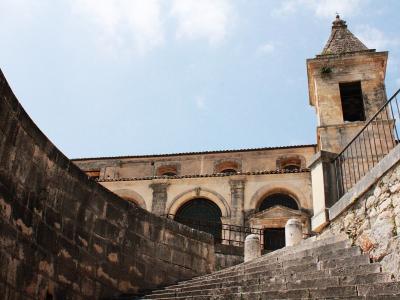
Chiesa di Santa Maria delle Scale
Baroque church in Ragusa Ibla
Free Architectural Monuments · Historic Churches
Questions people ask
Quick Facts
Best Time to Visit
Visit between April and June or September and October for warm weather and fewer crowds.