







- Admission
- Free admission
- Hours
- Generally 9:30 AM to 1:00 PM and 3:30 PM to 7:00 PM on weekdays; hours vary seasonally and...
- Where
- Ragusa, Sicily
- Directions
- Directions
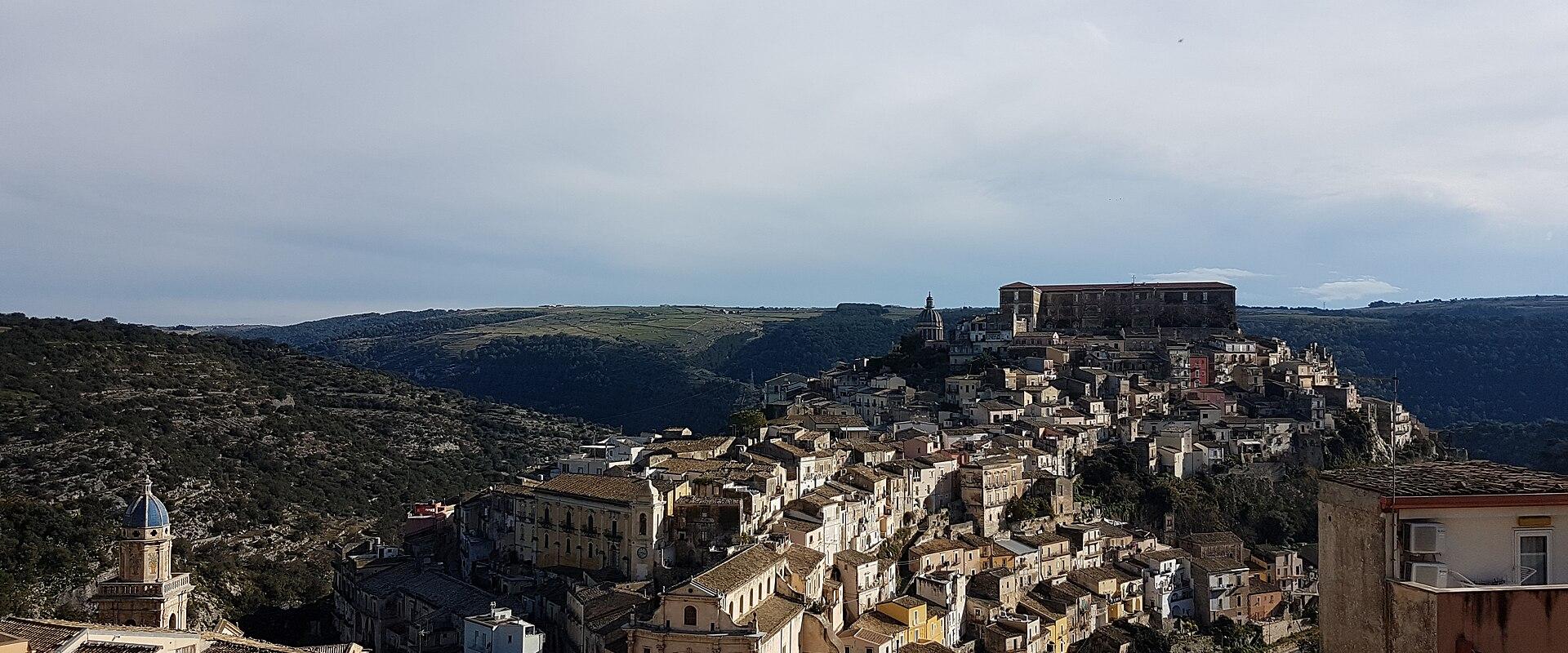
Ragusa Ibla is the old lower district of Ragusa in south-eastern Sicily, set on a spur of rock above a deep valley, and it is the finest example of the Sicilian Baroque in the region. Ibla is the site of the ancient settlement, probably the Hyblaean city of Hybla Heraea, and for centuries it was the whole of Ragusa. In 1693 a violent earthquake destroyed much of south-eastern Sicily, killing thousands of people, and its aftermath produced a burst of rebuilding. Some of the nobility chose to rebuild on the old site, so Ibla was reconstructed in the elegant new Baroque-style, while others moved to the plateau above and founded a new town, now called Ragusa Superiore. The two parts were administered separately for more than two centuries and joined only in the 1920s.
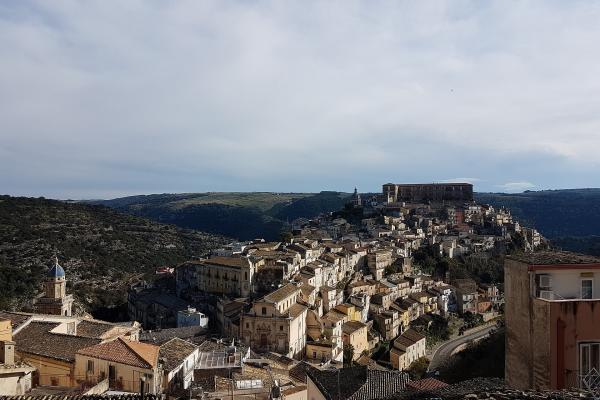
In 2002 Ibla was included, together with other towns of the Val di Noto, on the UNESCO World Heritage list, as an outstanding example of Late Baroque town planning and architecture. The district is a labyrinth of narrow lanes, steep flights of steps, small squares and stone palaces, all in a warm pale limestone, and it is best explored on foot without a fixed plan. The two parts of Ragusa are connected by winding roads, three bridges and hundreds of steps, among them the long stair of Santa Maria delle Scale, a church partly ruined by the earthquake, from which there is a fine view across the roofs of Ibla.
At the centre of Ibla is Piazza Duomo, dominated by the Duomo di San Giorgio, the masterpiece of the architect Rosario Gagliardi, built in the 18th century. It stands at the top of a broad flight of steps, with a tall, slender facade and a high dome, and its curved front seems to move in the light. Nearby are the Chiesa di San Giuseppe and other churches with richly carved portals, and palaces such as the Palazzo Cosentini, whose balconies are supported by grotesque stone masks. At the eastern end of the district, the Giardino Ibleo offers shade and views of the valley.
The major churches usually open in the morning and again in the late afternoon, with a break at midday and restricted access during services, so check opening times locally before you plan visits. Ibla also has artisan workshops and small cafes where you can try local pastries and the sweet ricotta specialities of the region. The Mercato del Lunedì, the Monday market, is a lively occasion, and the Castello di Donnafugata lies a short drive away. Fans of the Inspector Montalbano television series will recognise many corners of Ibla. The district suits lovers of architecture, photographers and anyone who enjoys wandering through a historic town in the evening, when the lights go on.
More photos coming soon
Hours & Fees
- Open
- Generally 9:30 AM to 1:00 PM and 3:30 PM to 7:00 PM on weekdays; hours vary seasonally and for mass
- Admission
- Free admission
Hours and prices change, especially out of season. Check with the venue before you go.
Nearby Attractions
Other places to visit in Ragusa
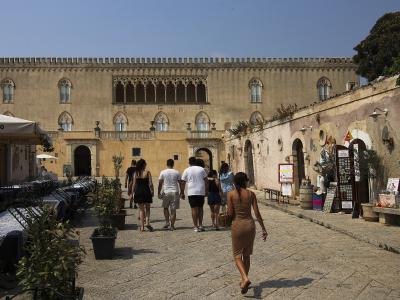
Castello di Donnafugata
19th-century castle with historic gardens and costume museum
Botanical Gardens · Castles & Fortresses
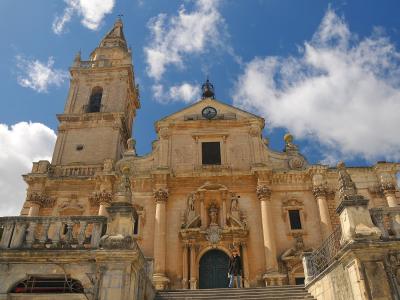
Cattedrale di San Giovanni Battista
Upper-town Baroque cathedral begun 1718, with twin 1751 sundials
Architectural Monuments · Historic Churches
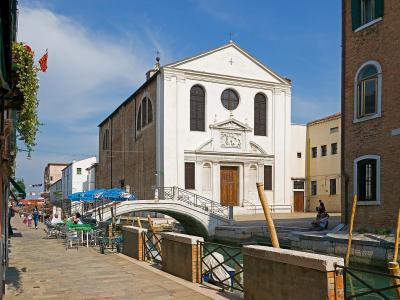
Chiesa di San Giuseppe
Baroque church with distinctive onion dome
Architectural Monuments · Historic Churches
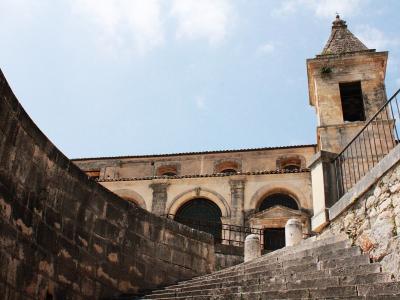
Chiesa di Santa Maria delle Scale
Baroque church in Ragusa Ibla
Free Architectural Monuments · Historic Churches
Questions people ask
Quick Facts
Best Time to Visit
Visit between April and June or September and October for warm weather and fewer crowds.