



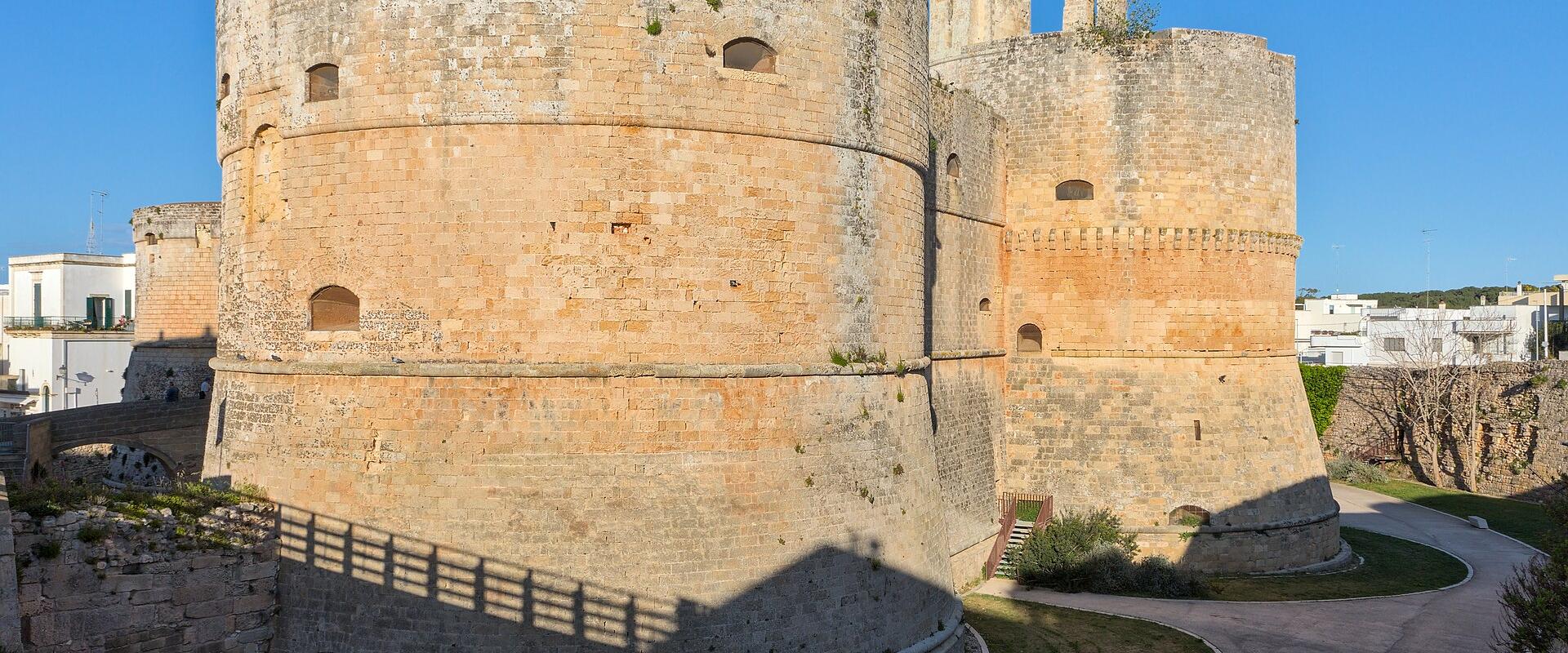
Otranto
Easternmost Italian town with medieval cathedral and turquoise beaches
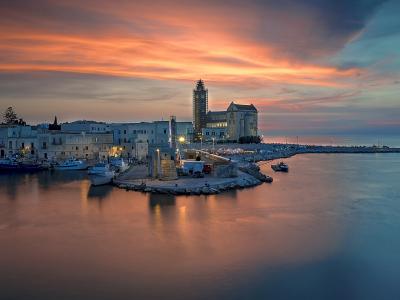
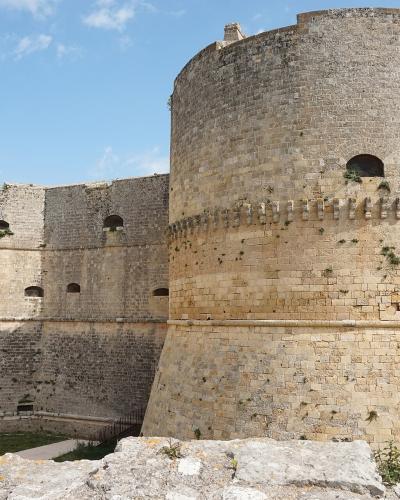
Otranto’s history is deeply rooted in its strategic location at the entrance to the Adriatic Sea. Founded by Greek colonists from Corinth in the 8th century BC as Hydruntum, it became an important port and trading center in Magna Graecia. The town later came under Roman control and served as a key military and administrative hub. During the Middle Ages, Otranto was ruled by various powers, including the Byzantines, Lombards, and Normans. The Norman period, particularly under Roger II, saw significant architectural developments, including the construction of the Cathedral of Otranto in the 11th century. The town’s history is marked by the tragic Siege of Otranto in 1480, when Ottoman forces invaded and massacred hundreds of inhabitants who refused to convert to Islam. This event left a lasting impact on the town’s collective memory and is commemorated in the cathedral. Otranto remained under various rulers, including the Spanish and Bourbons, before becoming part of the Kingdom of Italy in the 19th century. The town’s medieval walls and castle, built by the Aragonese, stand as testaments to its defensive importance.
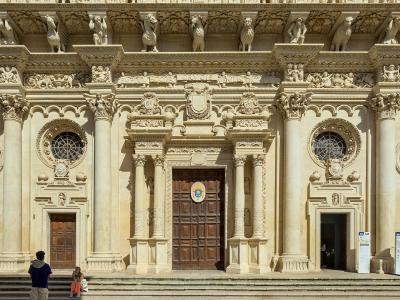
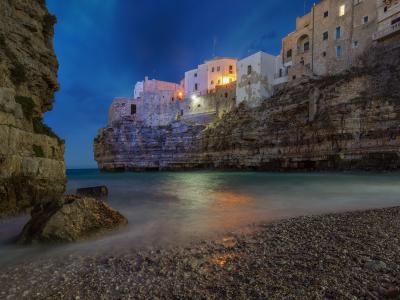
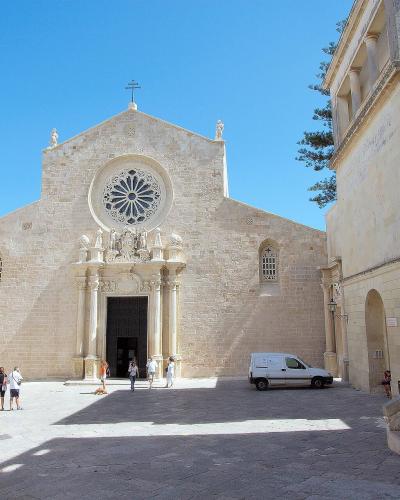
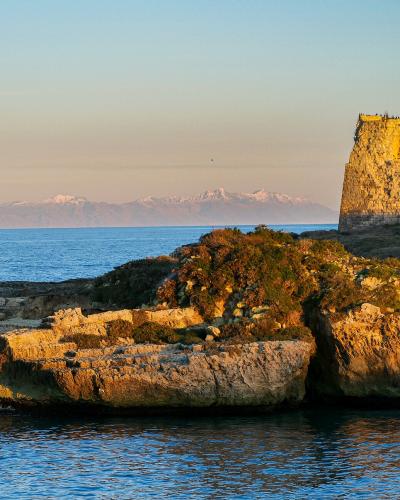
The main attractions in Otranto are centered around its historic center and coastal beauty. The Cathedral of Otranto is the town’s most iconic landmark, featuring a stunning 12th-century mosaic floor depicting scenes from the Bible and classical mythology. The cathedral also houses the relics of the 800 martyrs of Otranto. The Aragonese Castle, located on a small island connected to the town by a bridge, offers panoramic views of the sea and the historic center. The medieval walls and gates, such as the Porta Terra and Porta Mare, provide a glimpse into the town’s fortified past. The historic center is a labyrinth of narrow streets, lined with churches, palaces, and artisan shops. The Archaeological Museum of Otranto displays artifacts from the Greek, Roman, and Byzantine periods. The town’s beaches, including Spiaggia di Porto Badisco and Spiaggia di Le Castella, are known for their clear waters and sandy shores, offering excellent swimming and snorkeling opportunities.
Activities in Otranto include exploring the historic sites, visiting the beaches, and enjoying the local cuisine. The town is known for its fresh seafood and traditional Apulian dishes, such as orecchiette pasta and grilled fish. Visitors can take boat tours to explore the nearby caves and islands, such as the Island of Santo Stefano. The surrounding area offers hiking trails along the coast, providing scenic views of the sea and cliffs. Otranto is also a base for exploring the Salento region, with nearby towns like Lecce and Gallipoli easily accessible. The town hosts various festivals and events throughout the year, celebrating its cultural heritage and maritime traditions. Shopping includes local ceramics, olive oil, and wine.
Getting to Otranto is convenient via road and rail. The town is accessible by car from Lecce, approximately 50 kilometers away, via the SS16 highway. Otranto has a railway station with connections to Lecce and other major cities in Apulia. For those traveling by air, the nearest airports are in Brindisi and Bari. The best time to visit Otranto is from April to June or September to October, when the weather is mild and pleasant, ideal for exploring the outdoor attractions and historic sites. July and August are peak tourist months, with higher temperatures and larger crowds. Winter is mild but can be windy. Despite the seasonal variations, Otranto’s rich history and beautiful coastline make it a rewarding destination year-round.
Best Time to Visit
Visit between April and June or September and October for mild temperatures and fewer crowds.
Did you know?
Interesting, verified facts about Otranto
Otranto Has a Second Local Claim
HistorySituated where the Adriatic and Ionian seas meet, it serves as a gateway to the 'heel' of Italy's boot.
Source: Strait of Otranto - WikipediaOtranto Preserves Medieval Heritage
HistoryThe town is renowned for its dramatic medieval architecture, particularly the Cathedral of Otranto, which houses one of the most significant medieval mosaic floors in the world.
Source: Otranto - WikipediaOtranto Has Another Verifiable Detail
HistoryOtranto’s atmosphere is a blend of ancient history, religious significance, and coastal charm, characterized by narrow winding streets, whitewashed houses, and fortified walls.
Source: Otranto CastlePlan Your Visit to Otranto
Essential travel tips and information for your trip to Otranto.
Suggested Itineraries
Travel Tips
Currency
EUR • Cards widely accepted
Language
Italian • English in tourist areas
WiFi
Free WiFi in cafes and hotels
Explore Otranto by Interest
Discover attractions and experiences in Otranto organized by your interests and travel preferences.

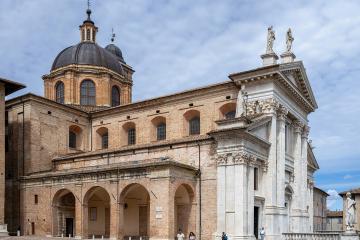
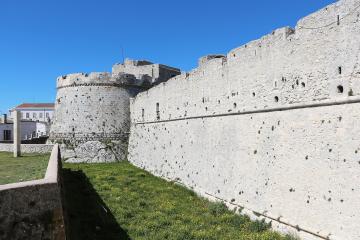
All attractions in Otranto
Sorted by our recommendation score
Quick Facts
Book your stay
Frequently Asked Questions
More destinations in Apulia
Explore other amazing places in the Apulia region