

Noto
UNESCO-listed Sicilian Baroque capital with golden limestone architecture
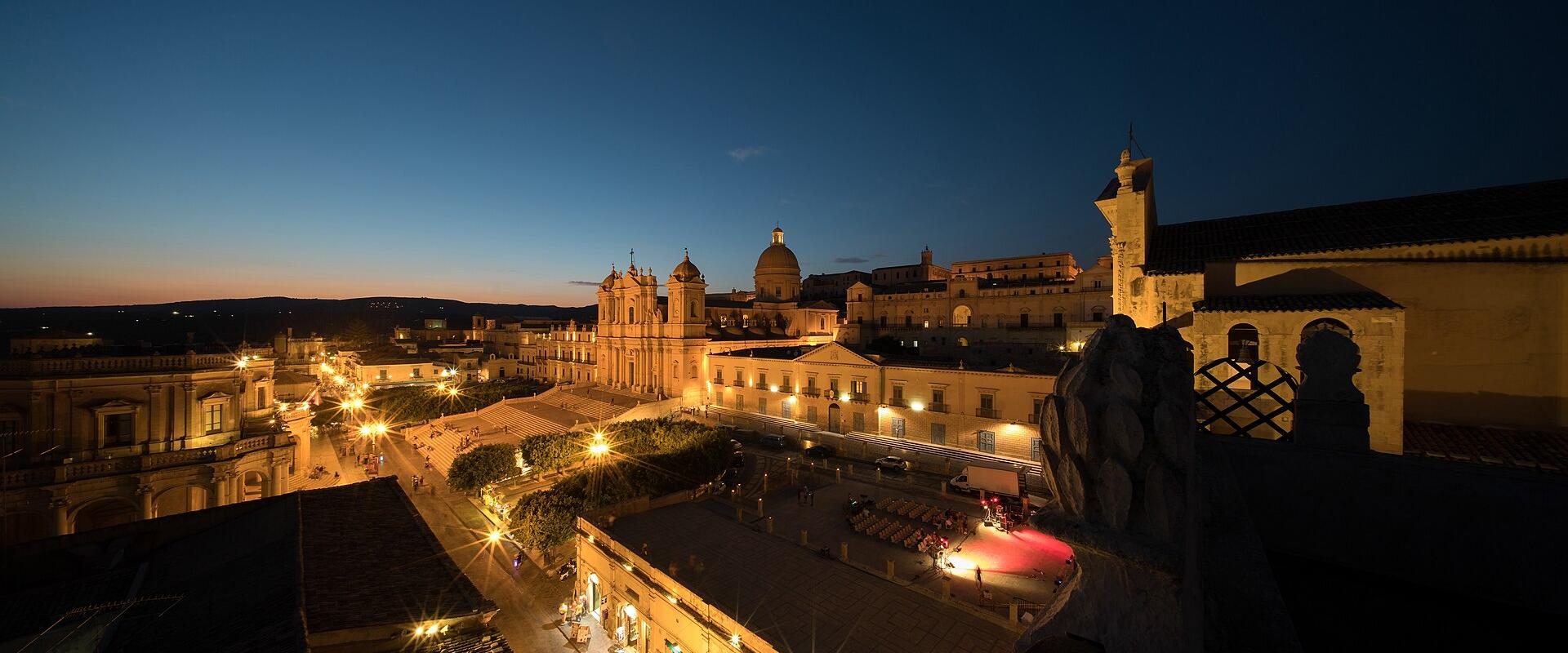
The history of Noto is deeply intertwined with the geological and political events of Sicily. The original city, Noto Antica, was founded by the Sikels and later inhabited by Greeks and Romans. It was destroyed by the 1693 Val di Noto earthquake, which leveled much of southeastern Sicily. In 1693, the inhabitants were ordered by the Viceroy to rebuild the city eight kilometers away from the original site. The reconstruction, completed in the early 18th century, was carried out under the guidance of architects such as Giovanni Battista Vaccarini. The new Noto was designed with a rational grid plan, featuring wide avenues and large public squares, which was innovative for the time. The use of local golden limestone gave the city a cohesive and striking visual identity. This Baroque style, characterized by dramatic curves, elaborate decorations, and a sense of movement, reached its peak in Noto, making it one of the finest examples of late Baroque architecture in the world.
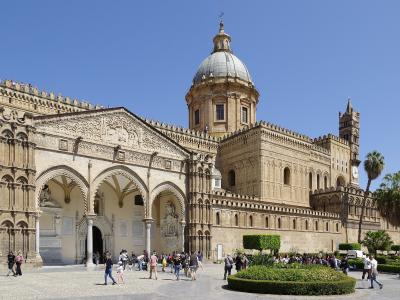
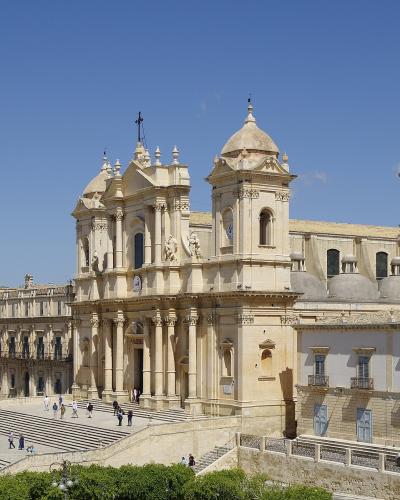
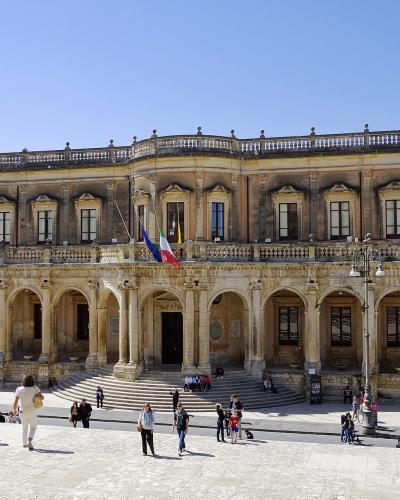
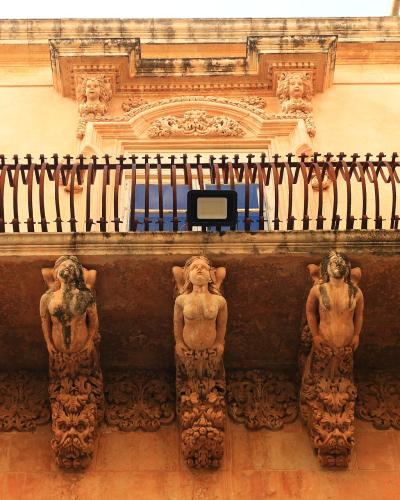
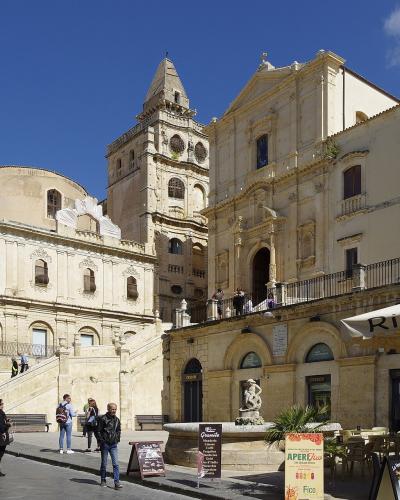
The main attractions in Noto are concentrated in the historic center, which is a UNESCO World Heritage site. The Cathedral of San Nicolò, located in Piazza del Duomo, is the city's most iconic building. Its facade is adorned with statues and intricate carvings, and its interior houses several altars made of precious stones. The Palazzo Ducezio, the seat of the city council, is another masterpiece, known for its elegant facade and the statue of Neptune on the roof. The Palazzo Nicolaci di Villadorata is famous for its sweeping double staircase, which is considered one of the finest examples of Baroque staircases in Sicily. The Church of Santa Chiara and the Church of San Domenico also showcase the city's architectural grandeur. Visitors can explore the narrow streets lined with historic palaces, such as Palazzo D'Avino and Palazzo Duchi di Noto, each with unique balconies and facades. The city also offers a vibrant cultural scene, with numerous cafes, gelaterias, and shops selling local crafts and ceramics.
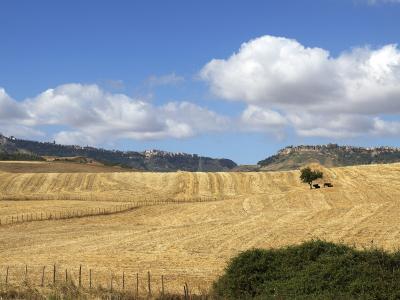
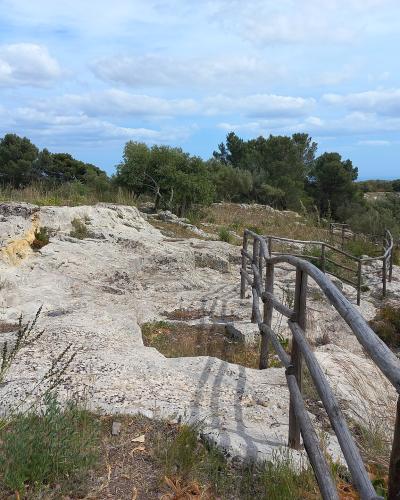
Activities in Noto include guided architectural tours, visits to nearby beaches, and excursions to Noto Antica. The nearby beaches of Marina di Noto and Calamosche offer clear waters and golden sands, perfect for swimming and sunbathing. Noto Antica, located eight kilometers from the modern city, features the ruins of the old cathedral and the Abbey of San Francesco, providing a glimpse into the city's medieval past. The area is also known for its natural beauty, with olive groves and almond trees dotting the landscape. For those interested in local culture, Noto hosts various festivals and events throughout the year, including the Feast of San Nicolò in September. The city is also a gateway to other Baroque towns in the Val di Noto, such as Modica, Ragusa, and Scicli.
Getting to Noto is convenient via car or public transport. The city is well-connected by road, with regular bus services from Syracuse and Catania. The nearest airport is Catania-Fontanarossa Airport, approximately 60 kilometers away. Visitors can also reach Noto by train, with connections from major Sicilian cities. The best time to visit Noto is from April to June or September to October, when the weather is mild and pleasant, ideal for exploring the city's outdoor attractions and historic sites. Summer can be hot and crowded, while winter is mild but may bring rain. Despite the seasonal variations, Noto remains a captivating destination year-round, offering a unique blend of history, architecture, and natural beauty.
Best Time to Visit
Visit between April and June or September and October for mild temperatures and fewer crowds.
Did you know?
Interesting, verified facts about Noto
Noto Valley serves as set for Montalbano
Film & TVThe Val di Noto region, including the town of Noto, has been used as a filming location for the world-famous Italian television series Commissario Montalbano since the beginning of Italian cinema.
Source: external sourcePlan Your Visit to Noto
Essential travel tips and information for your trip to Noto.
Suggested Itineraries
One Day in Noto
1 dayPerfect for a quick visit. See the main highlights and get a taste of local culture.
Extended Noto Experience
2-3 daysComprehensive exploration including nearby attractions and cultural experiences.
Travel Tips
Currency
EUR • Cards widely accepted
Language
Italian • English in tourist areas
WiFi
Free WiFi in cafes and hotels
Explore Noto by Interest
Discover attractions and experiences in Noto organized by your interests and travel preferences.

All attractions in Noto
Sorted by our recommendation score
Quick Facts
Book your stay
Frequently Asked Questions
More destinations in Sicily
Explore other amazing places in the Sicily region