







- Where
- Noto, Sicily
- Directions
- Directions
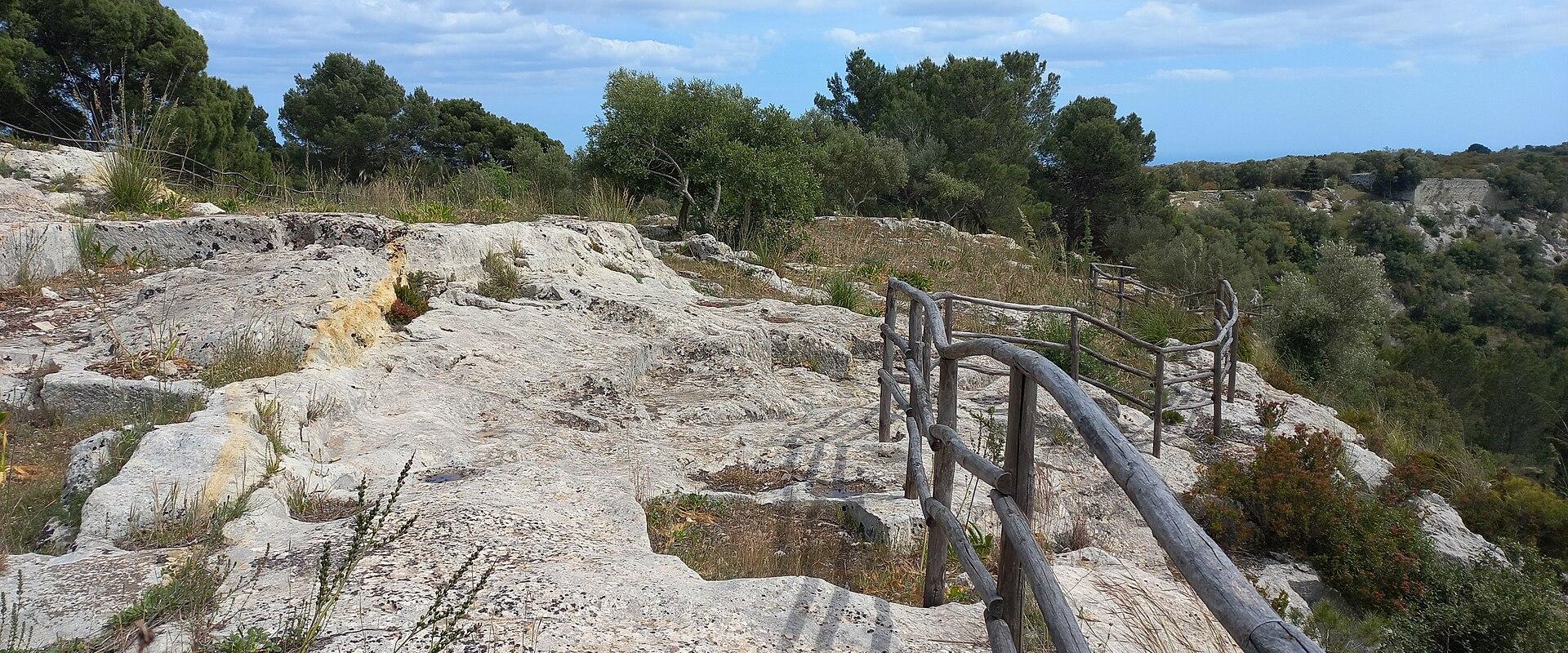
Noto Antica is the site of the original town of Noto, on the slopes of Monte Alveria, about eight kilometres north of the modern, Baroque Noto in south-eastern Sicily. It is a place where history is written in ruins. The town was founded in antiquity, as Netum, by the Sicels, the native people of eastern Sicily, and it later came under the influence of the Greeks of Syracuse. According to ancient sources, the Romans ceded it to Hiero II, the king of Syracuse, in 263 BC, after they allied with him in the First Punic War, and it remained a significant town in Roman times. In the early Middle Ages it was conquered by the Arabs, who made it a regional centre, and later by the Normans, and through the medieval period, it grew into a walled hill town with a castle, churches and a dense network of lanes.
Its story came to a sudden end in 1693, when a catastrophic earthquake shook south-eastern Sicily and destroyed town after town, killing thousands of people. Noto was ruined, and after some debate, its survivors decided not to rebuild on the same hill but to found a new town on a gentler site lower down, which was laid out on a grid plan and constructed in the exuberant Baroque style that is now admired as part of the UNESCO World Heritage listing of the Val di Noto. The old town was left to decay, and the ruins of its walls, churches and houses were gradually reclaimed by the hillside. The modern city of Noto is thus completely distinct from this ancient location, and a visit to both shows the contrast between the medieval and Baroque ideas of a town.
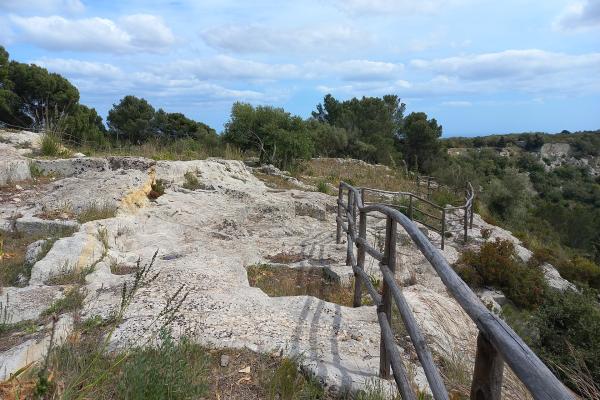
Today, the Archaeological Park of Noto Antica preserves what remains. A walk on the hill takes you through stretches of fortification walls, the ruins of the castle, the shells of churches and other buildings, and the traces of streets and houses, so that you can read the layout of the town as it was before the earthquake. There are also rock-cut tombs and caves carved into the limestone cliffs in the surrounding valleys, which belong to earlier periods, and these give a sense of the long human presence on the hill. The place is quiet and sparsely developed, with the feeling of an abandoned city, and the wild flowers and the views over the countryside, toward the sea and Mount Etna, add to its charm.
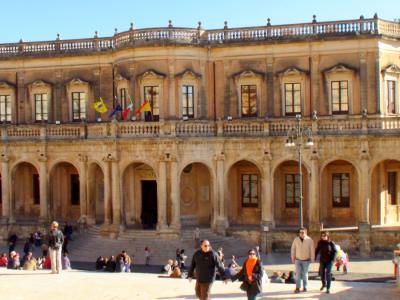
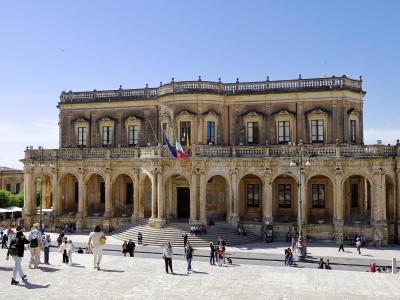
The site has few facilities, so visitors should bring water, a hat and sturdy shoes, as the ground is uneven and there is little shade. It is reached by road from Noto, and there is limited parking. Opening arrangements may vary, so check locally before going. A visit takes an hour or two, depending on how much of the hill you explore. In modern Noto, the Cattedrale di San Nicolò, the Palazzo Ducezio, the Chiesa di San Francesco all’Immacolata, the Museo Civico di Noto and the Palazzo Nicolaci di Villadorata are the main sights. Noto Antica suits lovers of history and archaeology and those who enjoy quiet places with a sense of the past.
Categories
More photos coming soon
Nearby Attractions
Other places to visit in Noto
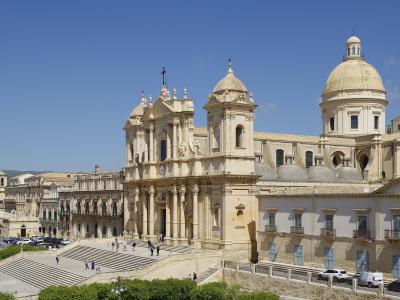
Cattedrale di San Nicolò
Sicilian Baroque cathedral on a monumental staircase
Free Architectural Monuments · Historic Churches
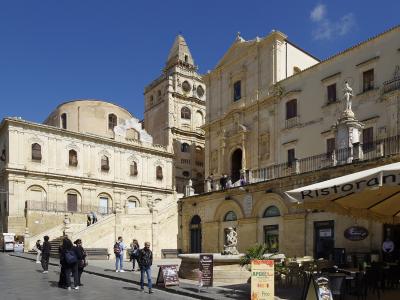
Chiesa di San Francesco all'Immacolata
18th-century Baroque church atop Noto's grand staircase
Architectural Monuments · Historic Churches
Museo Civico di Noto
Medieval monastery housing pre-1693 artifacts and a Helle...
From €3 Archaeological Museums
Palazzo Ducezio
Baroque Noto Town Hall housing the Civic Museum
Architectural Monuments · Historic Palaces
Questions people ask
Quick Facts
Best Time to Visit
Visit between April and June or September and October for mild temperatures and fewer crowds.