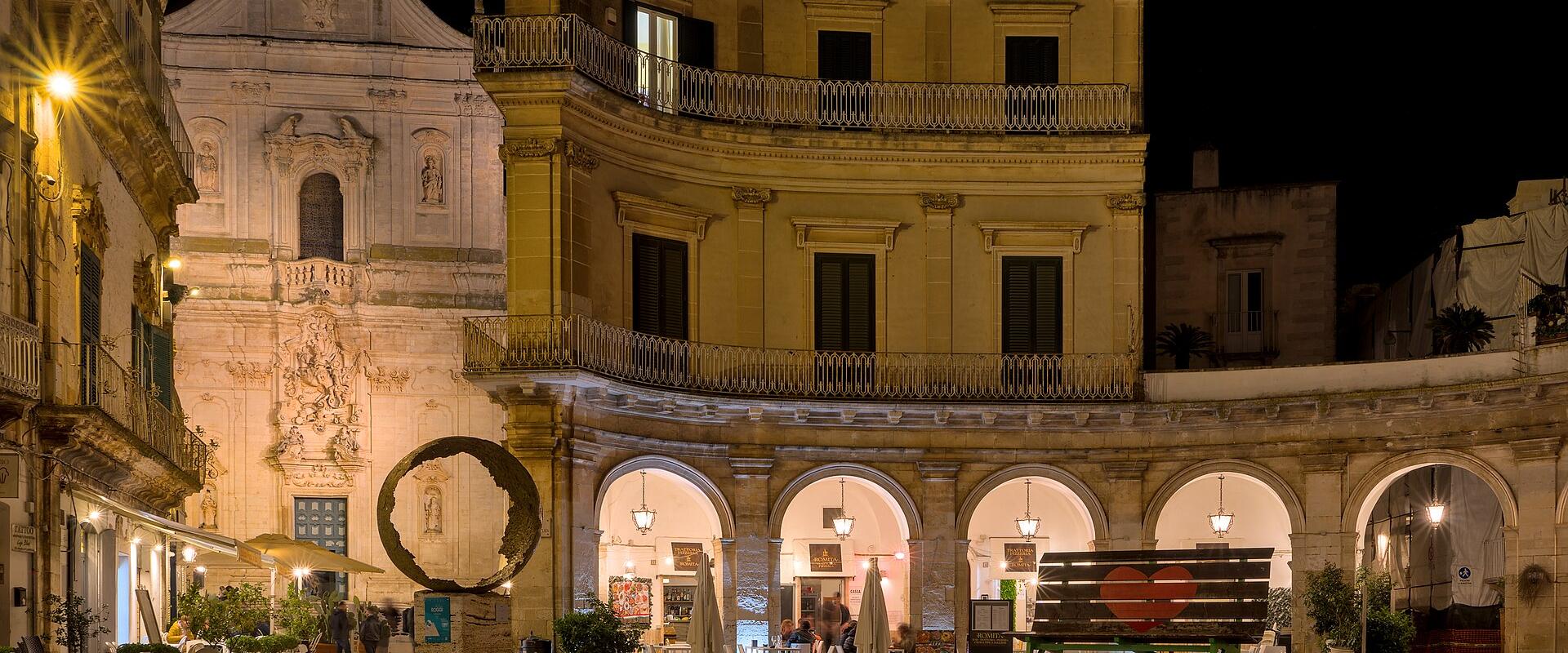
Martina Franca
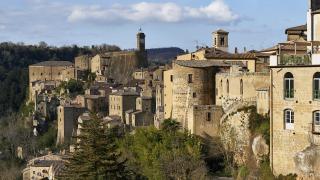
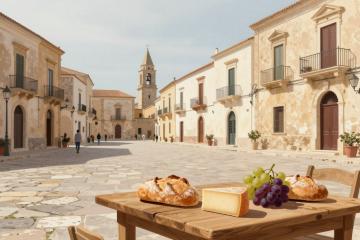
Baroque jewel of Valle d'Itria with white stone architecture and trulli views
Martina Franca’s history is deeply rooted in its feudal past. Originally a small settlement, it was granted the title of 'Franca' (free) by King Ferdinand I of Aragon in 1465, freeing its inhabitants from feudal taxes and obligations. This privilege allowed the town to flourish, particularly under the rule of the Dukes of Martina, who commissioned the construction of many of its elegant Baroque buildings in the 17th and 18th centuries. The town became a center of agriculture and trade, known for its wine and olive oil production. During the 19th and 20th centuries, Martina Franca continued to grow, maintaining its architectural integrity while adapting to modern times. Today, the town preserves its historic center, with narrow streets, elegant palaces, and churches that reflect its Baroque heritage and its status as a free city.
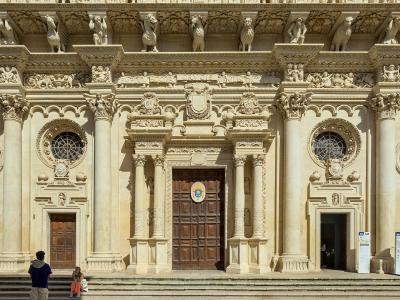
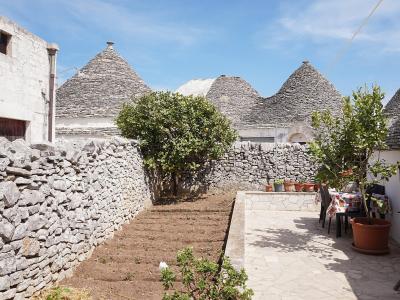
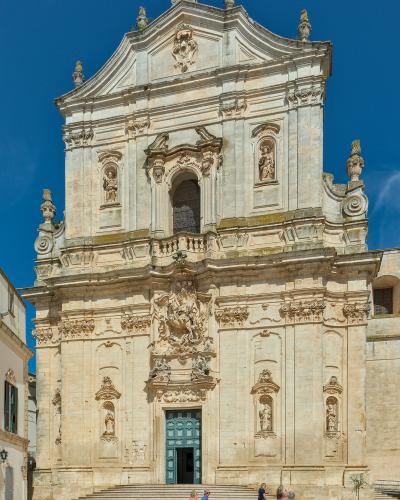
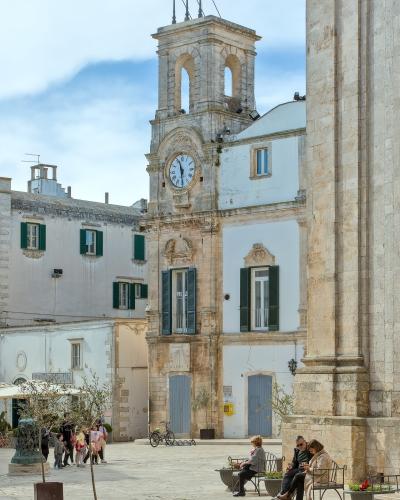
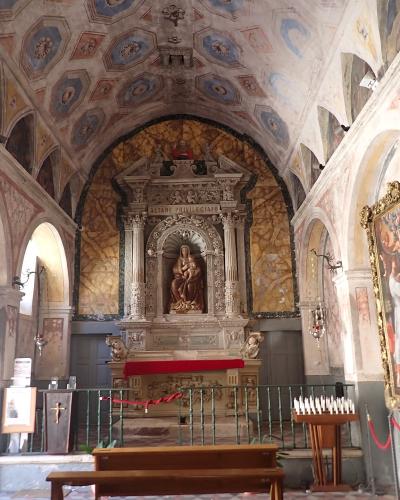
The main attractions in Martina Franca are centered around its historic center and cultural landmarks. Piazza Garibaldi is the heart of the town, surrounded by the Church of San Martino, a masterpiece of Baroque architecture with a distinctive facade and interior frescoes. The Palazzo Ducale, the former residence of the Dukes of Martina, now houses the town hall and features a beautiful courtyard. The Church of Santa Maria della Neve is another significant religious site, known for its ornate interior. The town is also known for its 'masserie,' fortified farmhouses that dot the surrounding countryside, many of which have been converted into luxury hotels and restaurants. The nearby Valle d'Itria offers views of trulli, the traditional dry-stone huts with conical roofs, particularly in the town of Alberobello, a UNESCO World Heritage Site.
Activities in Martina Franca include exploring the historic center, visiting masserie, and enjoying the local cuisine. The town is known for its traditional Apulian dishes, including orecchiette pasta, burrata cheese, and local wines like Primitivo and Negroamaro. Visitors can take guided tours to learn about the history of the Baroque period and the feudal system. The surrounding area offers opportunities for hiking, cycling, and visiting other Valle d'Itria towns like Ostuni and Locorotondo. Martina Franca also hosts various festivals and events throughout the year, including the Feast of San Martino and the Martina Franca Jazz Festival. Shopping includes local ceramics, textiles, and food products. For those interested in history, guided tours are available to explore the Baroque and feudal heritage of the town.
Getting to Martina Franca is convenient via road. The town is accessible by car from Bari, approximately 60 kilometers away, via the SS172 road. Martina Franca does not have a railway station; the nearest stations are in Taranto and Brindisi, with bus connections to the town. For those traveling by air, the nearest airports are Bari Karol Wojtyła Airport and Brindisi Airport. The best time to visit Martina Franca is from May to June or September to October, when the weather is warm and pleasant, ideal for exploring the outdoor attractions and historic sites. July and August are peak tourist months, with higher temperatures and larger crowds. Winter is mild but can be windy. Despite the seasonal variations, Martina Franca’s rich history and natural beauty make it a rewarding destination year-round.
Best Time to Visit
Visit between May and June or September and October for warm weather and fewer crowds.
Did you know?
Interesting, verified facts about Martina Franca
Martina Franca Has a Distinct Local Story
HistoryMartina Franca is a historic town in the Apulia region of southern Italy, located in the Province of Taranto within the Valle d'Itria.
Source: Martina Franca - WikipediaMartina Franca Has Another Verifiable Detail
HistoryThe town is renowned for its pristine white limestone architecture, elegant palaces, and its role as a cultural hub in the region.
Source: Martina Franca - WikipediaPlan Your Visit to Martina Franca
Essential travel tips and information for your trip to Martina Franca.
Suggested Itineraries
Martina Franca Cultural Heritage
2 days2-day cultural heritage tour of Martina Franca
View ItineraryExtended Martina Franca Experience
3 days3-day Baroque architecture and dining in Martina Franca
View ItineraryTravel Tips
Currency
EUR • Cards widely accepted
Language
Italian • English in tourist areas
WiFi
Free WiFi in cafes and hotels
Explore Martina Franca by Interest
Discover attractions and experiences in Martina Franca organized by your interests and travel preferences.
All attractions in Martina Franca
Sorted by our recommendation score
Quick Facts
Book your stay
Frequently Asked Questions
More destinations in Apulia
Explore other amazing places in the Apulia region