







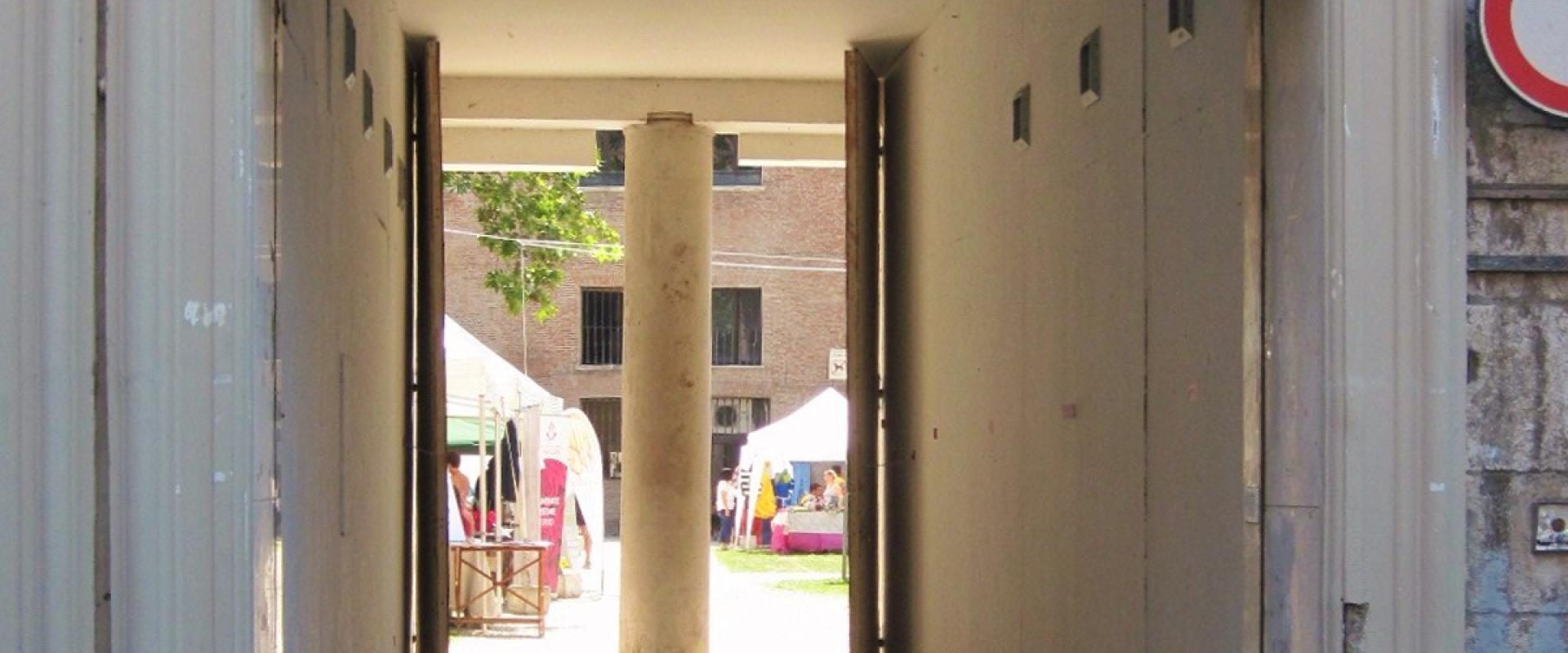
Palazzo Ducale Gardens
Baroque palace with period furnishings and frescoed halls
- Admission
- Free admission
- Where
- Martina Franca, Apulia
- Directions
- Directions
The Palazzo Ducale in Martina Franca is one of Puglia’s grandest buildings, and it dominates the central square of the town, Piazza Roma, in the middle of the old centre in the Valle d'Itria. It was originally conceived by the Caracciolo family, the dukes of Martina, as a regal residence to display their status, and it was built over the remains of the fourteenth-century Orsini Castle, from which some parts survive. Construction began in the 1660s, and the structure was designed by the architect Giovanni Andrea Carducci, with alleged input from Gianlorenzo Bernini, the great Roman sculptor and architect, though the evidence for his involvement is slight. The palace reflects a blend of Renaissance symmetry, Baroque flourish and Salento touches, in the pale local stone, and it guided the area's artistic transition from the Middle Ages to the Baroque era.
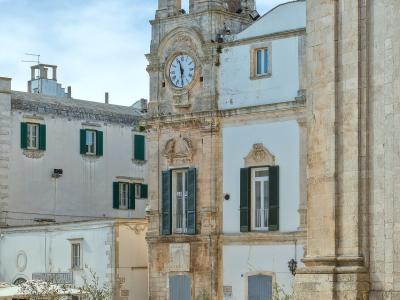
The palace was ambitious. The original plan called for 365 rooms, one for each day of the year, but the number was scaled back due to costs and political changes, and the palace remains an impressive edifice, with a long, low facade of two storeys and a central clock tower. A grand staircase leads up to the first floor. Inside, the apartments of the dukes were decorated in the seventeenth and eighteenth centuries with frescoes of mythological and allegorical subjects, by painters of the Neapolitan school, notably Domenico Carella, and the ceilings and walls have bright, lively scenes.
Today it serves as both the city's town hall and a museum. It is notable for being one of the few palaces in Puglia still furnished with period pieces, frescoed halls and artwork, so that visitors can walk through rooms that look as they did when the dukes lived there, with period furniture, portraits and tapestries, and a sense of the court life of a provincial duchy. The museum's collections also include paintings of the school of Naples and decorative objects. Because the building is also the seat of the council, access to some rooms depends on the municipal calendar.
The palace stands beside a public garden and the town park, the Villa Comunale, which offers shady paths and benches, and the open space in front of the palace, with its arcades, is the town's main gathering place. The gardens are best treated as a pleasant setting for the palace, not as a separate formal garden.
Exploring the palace takes about an hour, and the courtyard is used in the summer for the Festival della Valle d'Itria, an opera festival that draws music lovers. Martina Franca’s old town, with its white lanes, Baroque balconies and arches, is a pleasure to walk, and the Basilica di San Martino, with its sculptured facade, stands nearby. The town is known for its cured meats, its capocollo and its white wine. Check opening times locally, since they vary with the season and municipal use.
Categories
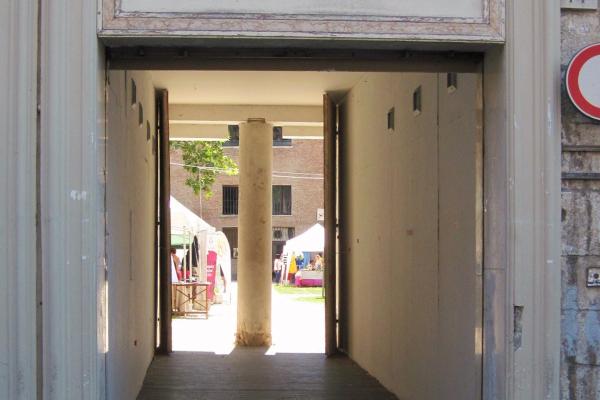
More photos coming soon
Admission Fees
- Admission
- Free admission
Hours and prices change, especially out of season. Check with the venue before you go.
Nearby Attractions
Other places to visit in Martina Franca
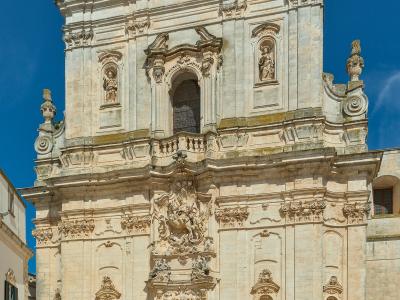
Basilica di San Martino
18th-century Baroque-Rococo minor basilica
Architectural Monuments · Historic Churches
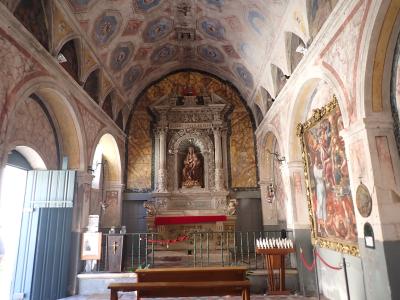
Chiesa del Purgatorio
Baroque church in Martina Franca's historic center
Architectural Monuments · Historic Churches
Piazza Plebiscito
Central square in Martina Franca with local gastronomy
Historic Churches · Local Cuisine
Questions people ask
Quick Facts
Best Time to Visit
Visit between May and June or September and October for warm weather and fewer crowds.