







- Where
- Martina Franca, Apulia
- Directions
- Directions
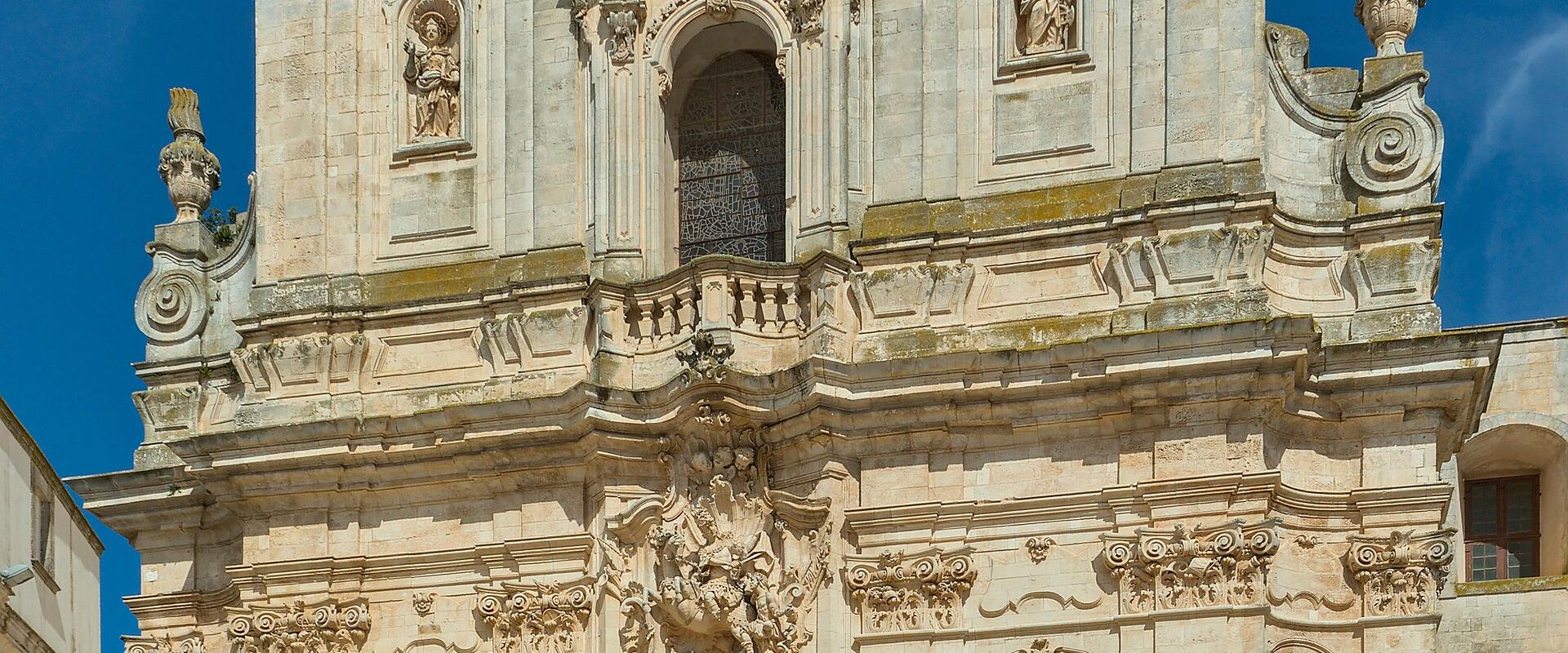
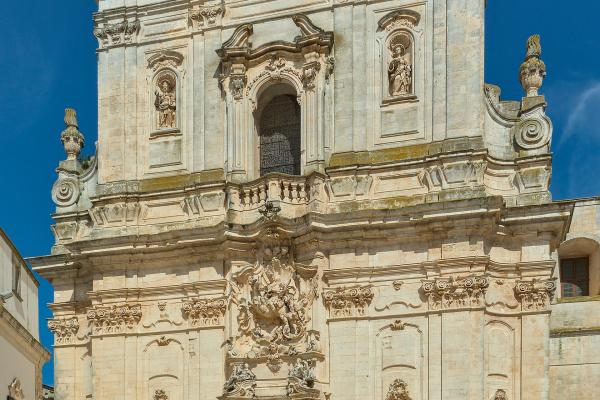
The Basilica di San Martino is the main church of Martina Franca, a hill town in the Valle d’Itria in Puglia, and it is dedicated to the town’s patron saint, San Martino di Tours. The saint is best known for the legend of the Roman soldier who cut his cloak in two to share it with a beggar, and the image of that scene crowns the facade, where a statue shows Saint Martin on horseback sharing his cloak. The church dominates the old town from its position on a rise, and its tall front with twin bell towers gives Martina Franca’s skyline its most recognizable silhouette.
The building was constructed in the Baroque and Rococo styles between 1747 and 1785 on the site of an earlier 14th-century Romanesque church, and it was consecrated in 1775. Its curved lines, richly carved decoration and elaborate stone ornament reflect the taste of the 18th century in Puglia, when towns such as Martina Franca invested in grand churches as a mark of prestige, and the cream-colored local limestone gives the facade a warm glow. Pope John Paul II elevated it to a minor basilica in 1998, a title that recognizes its importance as a place of worship.
Inside, the church is lavishly decorated with altars of colored marble, paintings and stuccoes, and the effect of the Rococo interior is bright and theatrical. The side chapels and the main altar are rich with sculpture, and the church preserves works of art and devotional objects that reflect centuries of local devotion. It reflects the artistic prowess of the Rococo style and is a focal point for local traditions and festivities, particularly the feast of the patron saint in November, when processions and celebrations fill the streets.
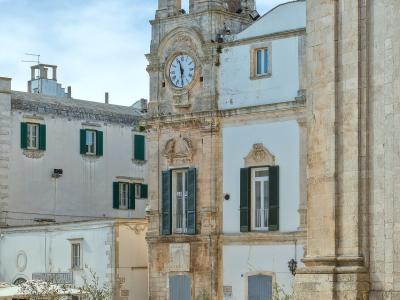
The basilica is located in the old town, close to the Piazza Plebiscito, the main square, with the Baroque facade of the Palazzo Ducale, the former residence of the Caracciolo dukes, and the arches of the town clock tower. The town’s white-walled old center, with its lanes, balconies and ornate doorways, is one of the finest examples of Baroque urban fabric in southern Italy, and many streets are pedestrian. The Palazzo Ducale Gardens and the nearby Chiesa del Purgatorio, a church with a dramatic Baroque facade, add to the walk.
It is advisable to check local tourism resources for current schedules, particularly if visiting during mass times. Visitors should dress modestly and allow time to appreciate the detailed interiors and the serene atmosphere of the church. Martina Franca is also known for its summer opera festival, local cured meats and white wine. The church suits those who enjoy Baroque architecture and traditions, and gives an insight into Martina Franca’s religious and artistic heritage. It is easily combined with a day in the Valle d’Itria, with the trulli of Alberobello and the white towns of Locorotondo and Cisternino nearby.
Categories
More photos coming soon
Nearby Attractions
Other places to visit in Martina Franca
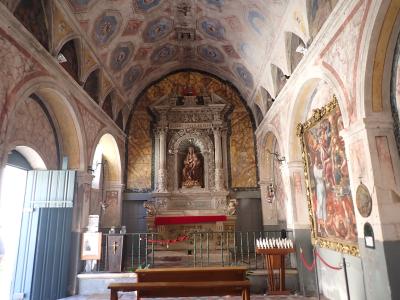
Chiesa del Purgatorio
Baroque church in Martina Franca's historic center
Architectural Monuments · Historic Churches
Palazzo Ducale Gardens
Baroque palace with period furnishings and frescoed halls
Free Architectural Monuments · Historic Palaces
Piazza Plebiscito
Central square in Martina Franca with local gastronomy
Historic Churches · Local Cuisine
Questions people ask
Quick Facts
Best Time to Visit
Visit between May and June or September and October for warm weather and fewer crowds.