Marsala
Sicilian coastal city famous for Marsala wine, salt pans, and Mothia
Marsala’s history dates back to ancient times when it was known as Lilybaeum, a crucial Phoenician and later Roman stronghold. The city played a significant role in the Punic Wars and was a key naval base for Rome. After the fall of the Roman Empire, it passed through various hands, including the Arabs, Normans, and Spanish. The modern identity of Marsala was shaped in the late 18th and early 19th centuries by English merchants, particularly John Woodhouse and Benjamin Ingham, who developed the fortified wine industry by blending local wines with brandy to withstand long sea voyages. This innovation led to the creation of Marsala wine, which gained international fame. The city also has a rich archaeological heritage, with the nearby island of Mozia (Motya) containing the ruins of an ancient Phoenician colony and the famous Mothia Charioteer statue. Today, Marsala preserves its historic center, with Baroque churches, noble palaces, and the famous Florio Wine Cellars, reflecting its layered past as a trading port and wine-producing hub.
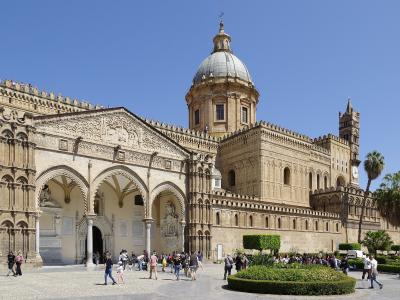
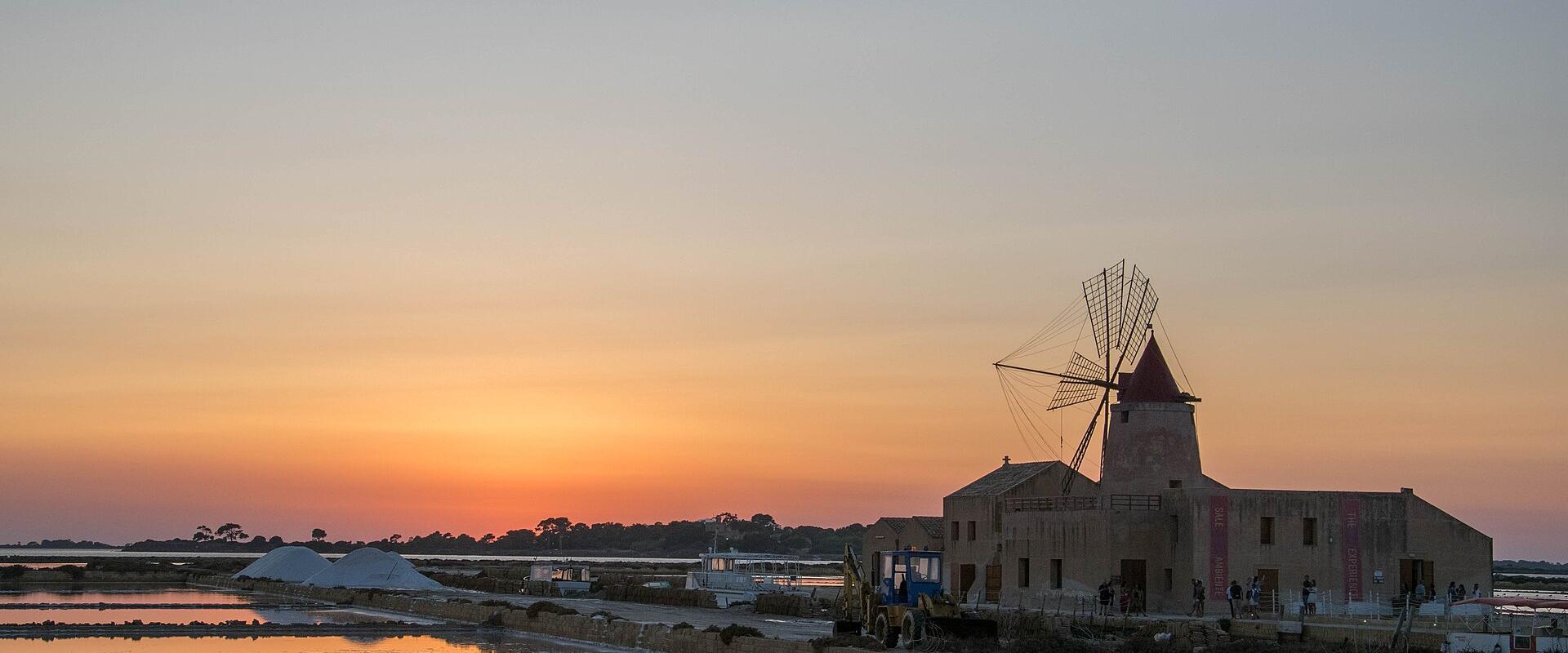
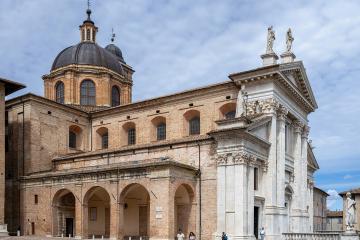
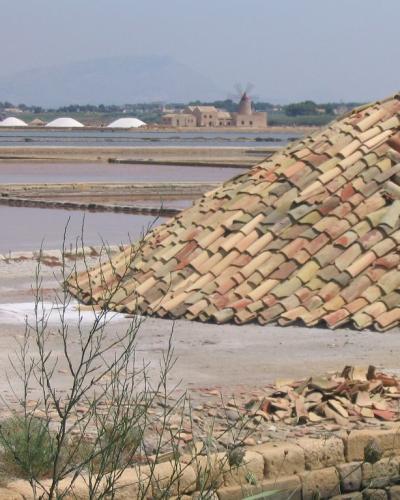
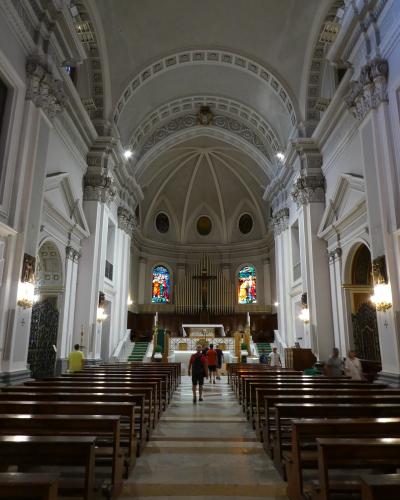
The main attractions in Marsala are centered around its wine heritage, natural lagoons, and archaeological sites. The Florio Wine Cellars, located in the historic center, are housed in a former biscuit factory and offer tours of the aging rooms and tasting sessions. The Stagnone Lagoon, a protected nature reserve, is famous for its pink flamingos and the ancient salt pans, where salt has been harvested for centuries using traditional methods. The island of Mozia, accessible by boat, features the San Pantaleo archaeological site, home to the Mothia Charioteer and other Phoenician artifacts. The long sandy beaches of Marsala, such as San Vito Lo Capo (nearby) and the local lidos, offer clear waters and relaxation. The historic center features the Cathedral of the Immaculate Conception and the Palazzo Florio, a masterpiece of Liberty-style architecture.
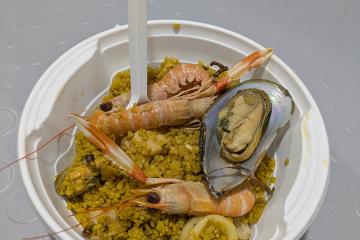
Activities in Marsala include wine tasting, exploring the salt pans, and visiting the archaeological museum. The city is known for its fresh seafood dishes, including couscous with fish (a local specialty influenced by North African cuisine) and grilled fish. Visitors can take guided tours of the wine cellars to learn about the production of Marsala wine. The surrounding area offers opportunities for cycling along the coast and bird watching in the lagoon. Marsala also hosts various festivals, including the Marsala Wine Festival. Shopping includes local ceramics, textiles, and wine products. For those interested in history, guided tours are available to explore the Phoenician and Roman heritage of the region.
Getting to Marsala is convenient via road and air. The city is accessible by car from Trapani, approximately 30 kilometers away, via the SS115 road. Marsala does not have a railway station; the nearest stations are in Trapani and Castelvetrano, with bus connections to Marsala. For those traveling by air, the nearest airport is Trapani Birgi Airport, located about 20 kilometers away. The best time to visit Marsala is from April to June or September to October, when the weather is mild and pleasant, ideal for exploring the outdoor attractions and historic sites. July and August are peak tourist months, with higher temperatures and larger crowds. Winter is mild but can be windy. Despite the seasonal variations, Marsala’s rich wine heritage and natural beauty make it a rewarding destination year-round.
Best Time to Visit
Visit between April and June or September and October for mild temperatures and fewer crowds.
Did you know?
Interesting, verified facts about Marsala
Marsala Has a Wine Tradition
Food & DrinkIt serves as a premier tourism destination where the arid plains meet the shimmering Tyrrhenian Sea, renowned globally for its fortified Marsala wine.
Source: Why Visit Marsala - Sicily TourismMarsala Has a Wine Tradition
Food & DrinkMarsala provides visitors with a blend of oenological heritage, archaeological significance, and coastal relaxation, making it a unique destination for those interested in history, wine tasting, and natural beauty.
Source: Marsala - WikipediaPlan Your Visit to Marsala
Essential travel tips and information for your trip to Marsala.
Suggested Itineraries
Travel Tips
Currency
EUR • Cards widely accepted
Language
Italian • English in tourist areas
WiFi
Free WiFi in cafes and hotels
Explore Marsala by Interest
Discover attractions and experiences in Marsala organized by your interests and travel preferences.
All attractions in Marsala
Sorted by our recommendation score
Quick Facts
Book your stay
Frequently Asked Questions
More destinations in Sicily
Explore other amazing places in the Sicily region