







- Admission
- Island and museum: 12 euros adults, 6 euros students (per fondazionewhitaker.it)
- Hours
- April-October 9:30-18:30; November-March 9:00-15:00 (per fondazionewhitaker.it)
- Where
- Marsala, Sicily
- Directions
- Directions
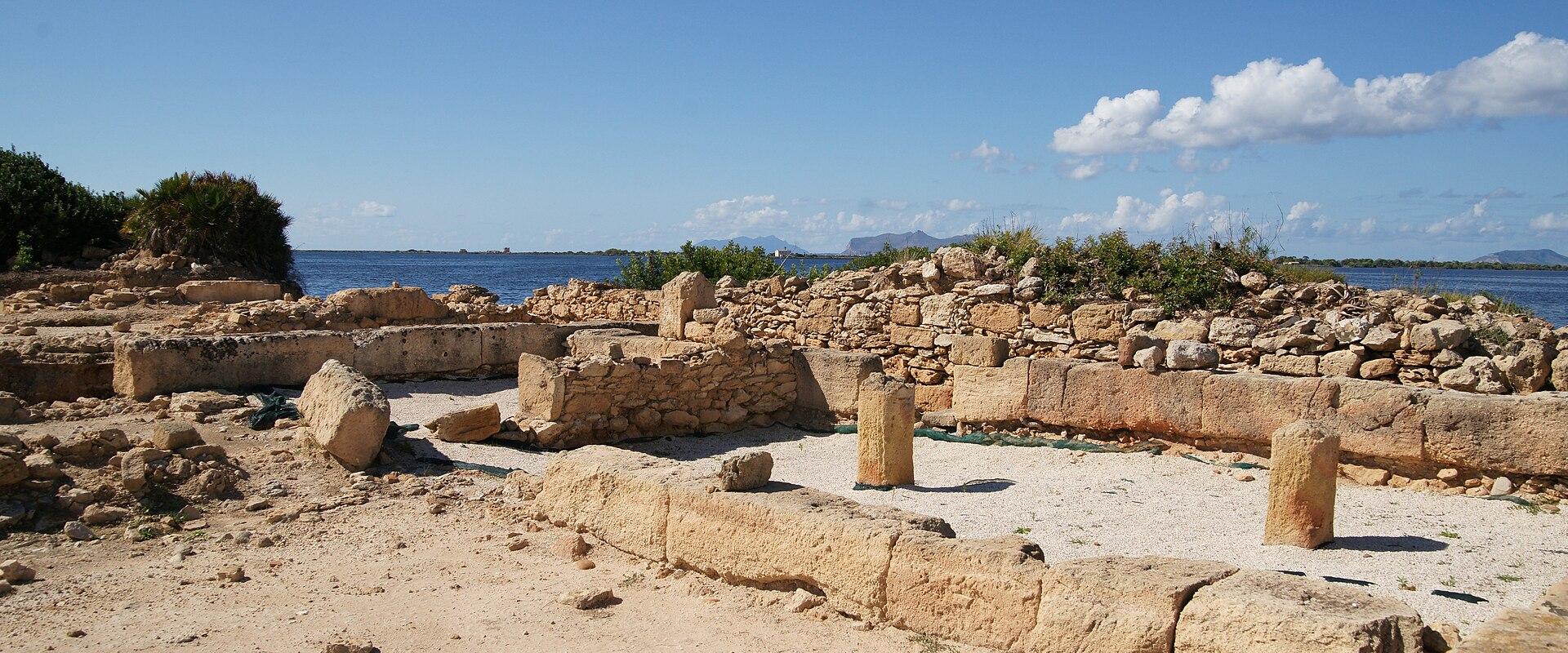
Mozia, the ancient Motya, was a Phoenician city on the small island of San Pantaleo in the Stagnone lagoon, just north of Marsala. Phoenician traders used the island as a landing place and trading base from the end of the twelfth century BC, and archaeologists have found a settlement dating from the end of the eleventh century BC. Thucydides names it, with Solunto and Palermo, as one of the three Phoenician cities to which the Phoenicians withdrew in western Sicily when the Greeks began colonising the island. In 397 BC Dionysius I of Syracuse besieged and destroyed it. The Carthaginians took it back the following year, but they soon founded Lilybaeum on the mainland, the city that became Marsala, and Motya lost its importance and slowly emptied.
In the Middle Ages the Normans gave the island to the abbey of Santa Maria della Grotta in Marsala, and Basilian monks renamed it San Pantaleo after the founder of their order. In the early twentieth century the whole island was bought by Joseph Whitaker, an archaeologist and member of an English family that had grown rich in the Marsala wine trade. He led the first systematic excavations from 1906 to 1929 and set up a museum in his house. Since 1971 the island has belonged to the Fondazione Giuseppe Whitaker, and excavations by Sapienza University of Rome and others have continued for decades.
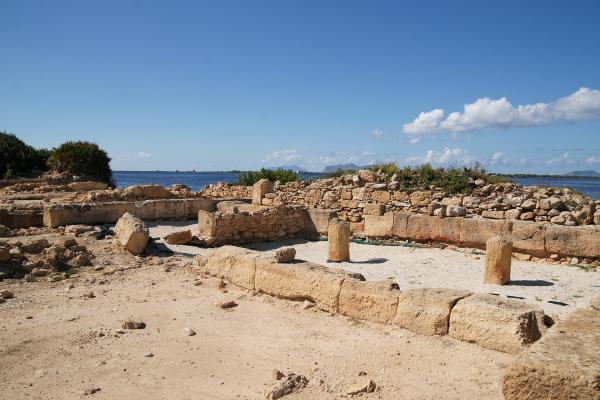
Paths lead around the island past the main excavated areas: the city walls with the North and South Gates, the sacred area of the Cappiddazzu, the tophet sanctuary, the archaic necropolis and the House of the Mosaics, with pebble mosaics of animals. The Kothon, a rectangular basin once thought to be a harbour, has been reinterpreted as the sacred pool of a temple of the god Baal. The Whitaker Museum, in the family's villa, displays finds from the island, and its star is the Motya Charioteer, a marble statue of a young man in a long pleated tunic, found in 1979 and dated to the middle of the fifth century BC, one of the finest Greek sculptures from Sicily.
The crossing, the flat lagoon, the vineyards and the salt pans along the shore make the trip as memorable as the ruins. Mozia suits anyone interested in ancient history, archaeology or simply a quiet half day on a small island.
Categories
More photos coming soon
Hours & Fees
- Open
- April-October 9:30-18:30; November-March 9:00-15:00 (per fondazionewhitaker.it)
- Admission
- Island and museum: 12 euros adults, 6 euros students (per fondazionewhitaker.it)
Hours and prices change, especially out of season. Check with the venue before you go.
Nearby Attractions
Other places to visit in Marsala
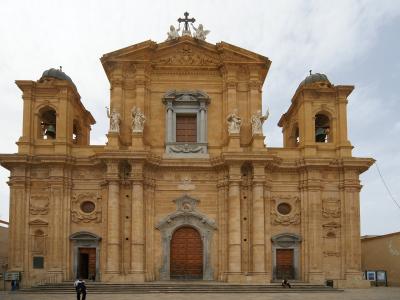
Basilica di San Tommaso
Norman cathedral dedicated to Thomas Becket
Architectural Monuments · Historic Churches
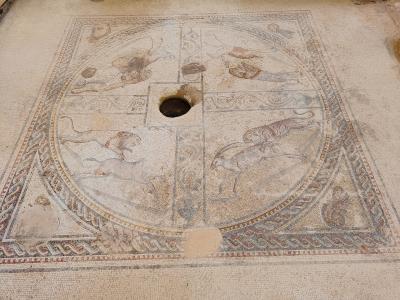
Museo Archeologico Lilibeo - Baglio Anselmi
Former 1880s winery holding the only surviving Punic warship
Ancient Ruins · Archaeological Museums
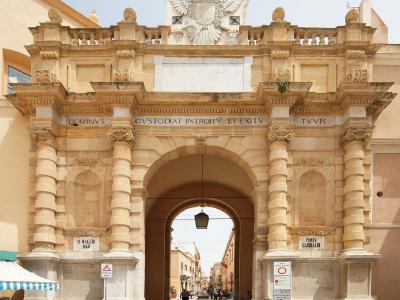
Porta Garibaldi
1685 sea gate that Garibaldi's Thousand entered on 11 May 1860
History & Heritage · Historic Gates
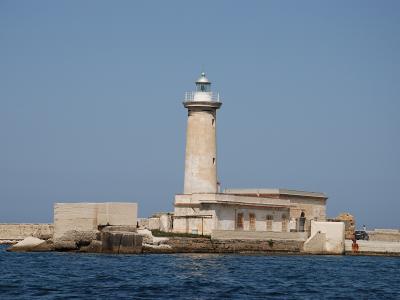
Porto di Marsala
Historic port and birthplace of Marsala wine
Coastal & Maritime · Food & Gastronomy
Questions people ask
Quick Facts
Island and museum: 12 euros adults, 6 euros students (per fondazionewhitaker.it)
Best Time to Visit
Visit between April and June or September and October for mild temperatures and fewer crowds.