







- Where
- Marsala, Sicily
- Directions
- Directions
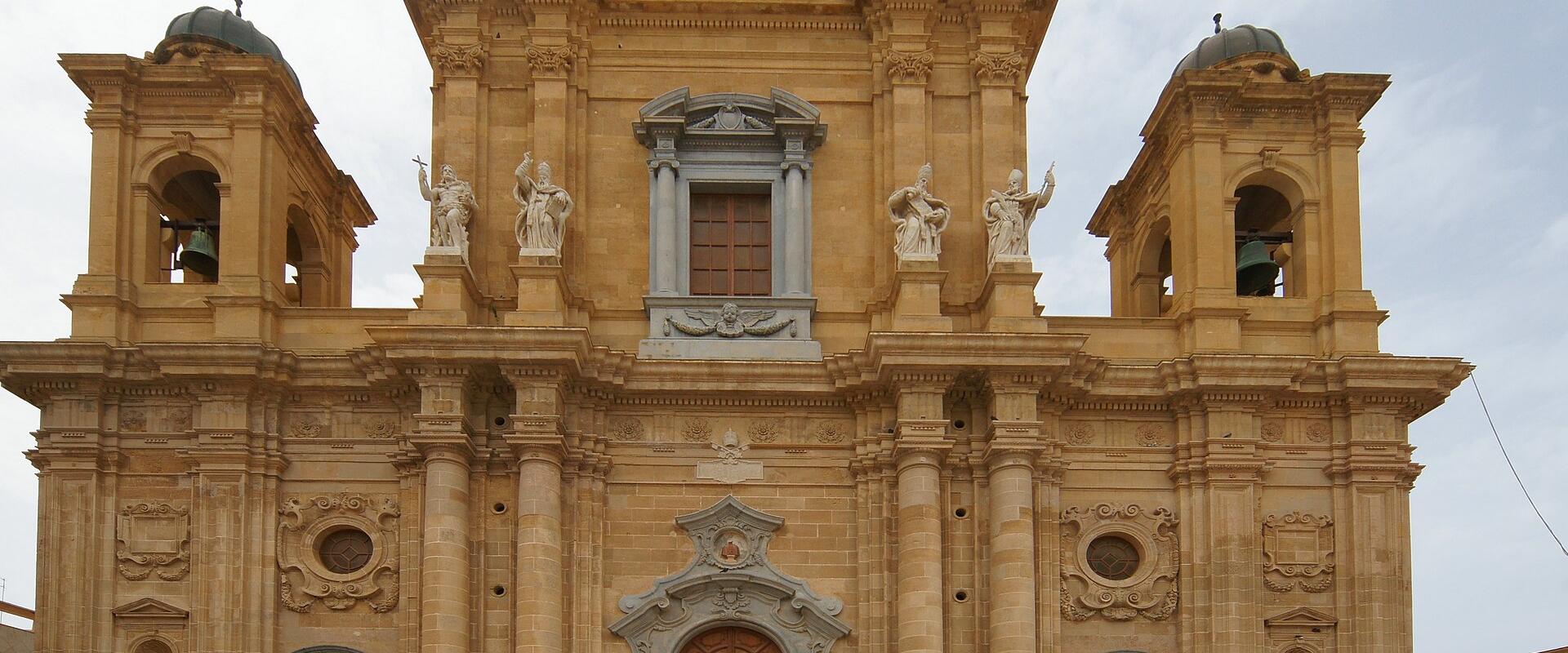
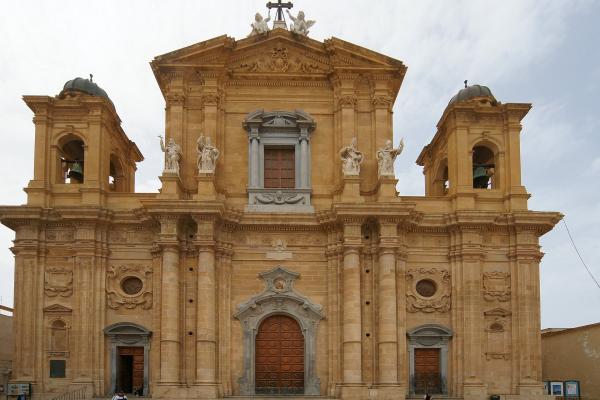
The Basilica di San Tommaso, also called the Marsala Cathedral, the Duomo di San Tommaso di Canterbury, is the largest church in Marsala, at the western tip of Sicily, and it stands in the city centre on Piazza della Repubblica, the main square, opposite the Palazzo VII Aprile with its Renaissance loggia. It is dedicated to Thomas Becket, the Anglo-Norman saint and archbishop of Canterbury who was murdered in his cathedral in 1170 and canonised only three years later, and it is one of the few churches in Italy to honour the English saint as its patron, which is a sign of the links between the Norman kingdom of Sicily and England in the 12th century. The cult of Becket was introduced to Sicily during the reigns of Kings William I and William II, the Norman kings, and it was strongly supported by Joan, the daughter of Henry II of England, who married William II, and who would have known the saint’s story in her family.
The site has a much longer history. Marsala was the ancient Lilybaeum, a Carthaginian and then Roman city, and a Christian community existed here from early times, so that the church stands on the site of the seat of the Diocese of Lilybaeum, which lasted from the first half of the 2nd century to the 9th century. Remains of an early basilica survive beneath the present building. During the period of Arab rule, the diocese was suppressed, and with the Norman conquest in the 11th century, a new church was founded, probably in Norman style, which is why the cathedral is sometimes called Norman in origin. Today the diocese survives only as a titular see, with the Latin name Dioecesis Lilybaetana, and the bishop of Mazara del Vallo is responsible for the city.
The building as it appears now was built mostly from the 17th century to the 18th, over a long period that began around 1628, in a Baroque and later Neoclassical style, and the dome and facade were completed or rebuilt later. The interior is large and bright, with a nave and aisles divided by columns, and decorated with statues, altars and paintings. Among its treasures are works of the Gagini school, the Sicilian family of sculptors of the Renaissance, including marble statues and reliefs, and a notable collection of Flemish tapestries of the 16th century, which show the capture of Jerusalem and are displayed in the cathedral museum. The tapestries are among the finest in southern Italy.
The cathedral is an active church, so modest dress is expected, and visits may be limited during services. Opening times vary, so check locally. A visit takes about half an hour. The church is in the middle of the old town, within walking distance of the harbour, Porto di Marsala, with its connection to Marsala wine and Garibaldi’s landing, and the salt pans, the Saline di Trapani e Paceco (Marsala Section), a short drive north. The cathedral suits those interested in the Norman period, in Baroque architecture and in religious art, and it is a good way to see the cultural links between Sicily and northern Europe.
Categories
More photos coming soon
Nearby Attractions
Other places to visit in Marsala
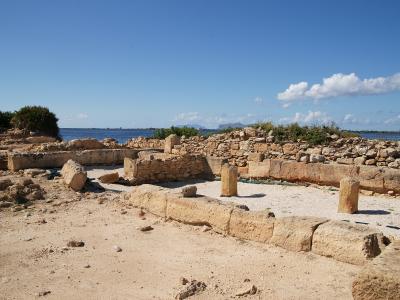
Mozia (Motya)
Phoenician island city in the Stagnone lagoon, with a museum
Ancient Ruins · Archaeological Museums
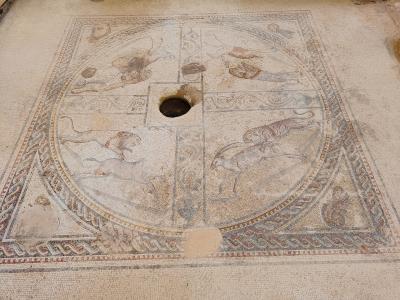
Museo Archeologico Lilibeo - Baglio Anselmi
Former 1880s winery holding the only surviving Punic warship
Ancient Ruins · Archaeological Museums
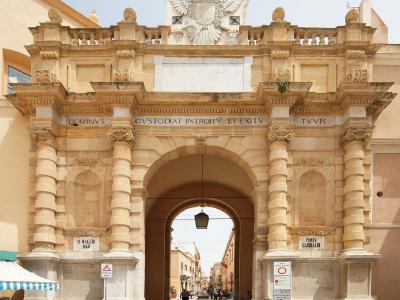
Porta Garibaldi
1685 sea gate that Garibaldi's Thousand entered on 11 May 1860
History & Heritage · Historic Gates
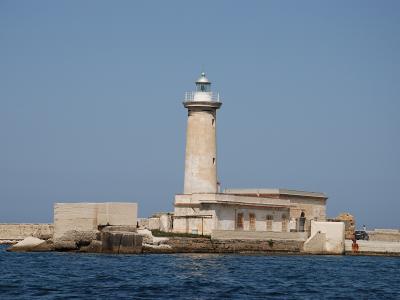
Porto di Marsala
Historic port and birthplace of Marsala wine
Coastal & Maritime · Food & Gastronomy
Questions people ask
Quick Facts
Best Time to Visit
Visit between April and June or September and October for mild temperatures and fewer crowds.