
Genoa
Historic maritime republic with UNESCO old town and major aquarium
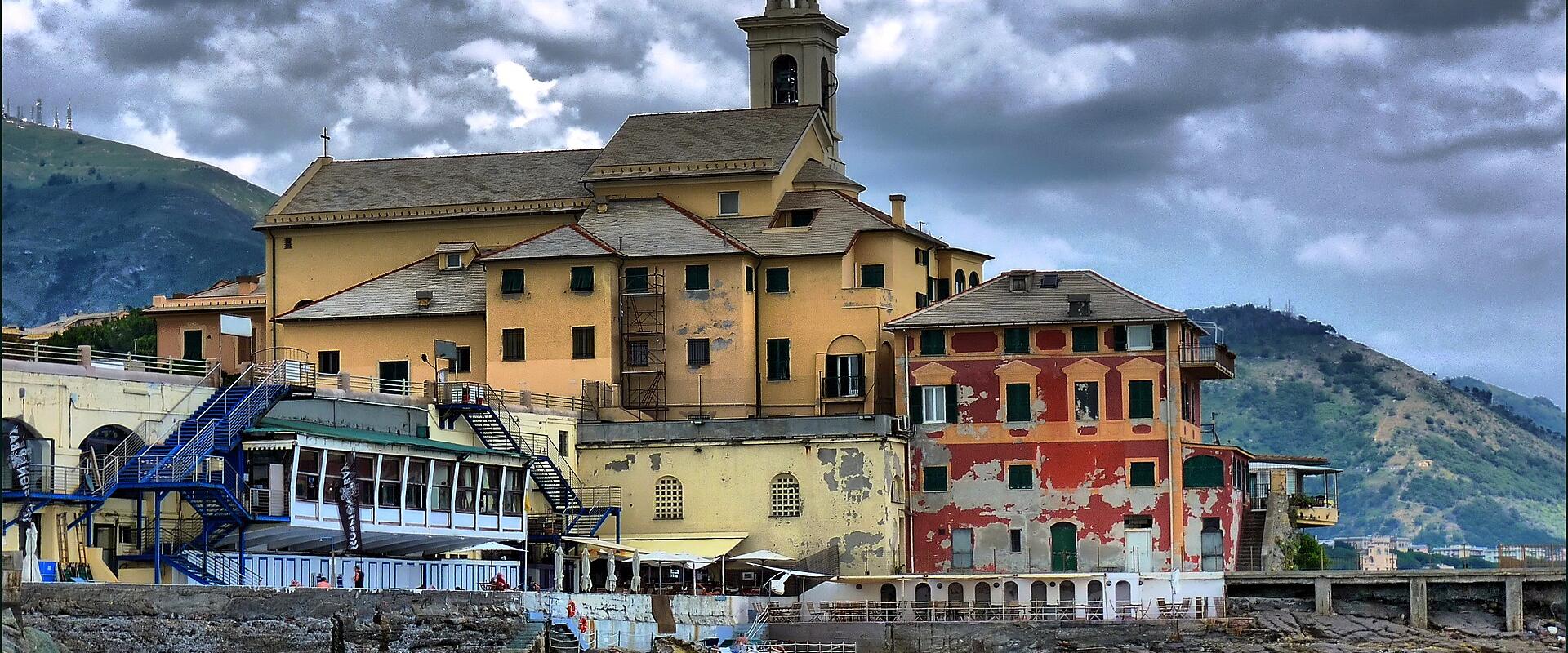
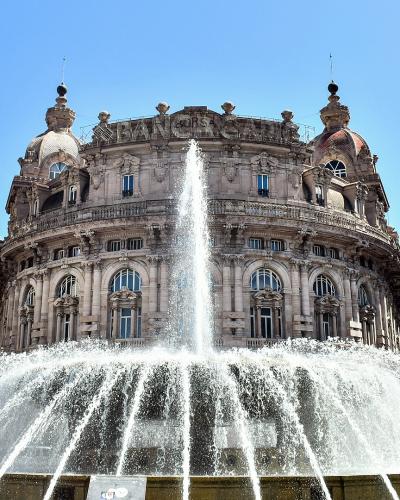
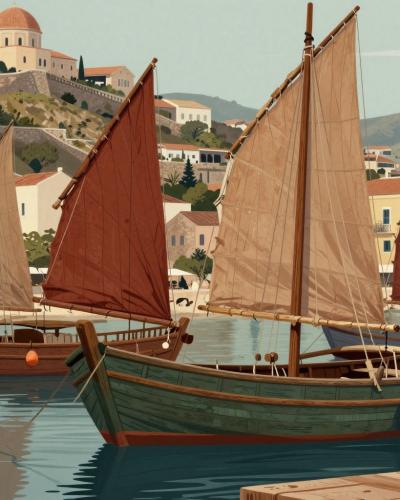
Genoa’s history is deeply intertwined with its role as a dominant maritime power. Founded by the Ligurians and later influenced by Greeks and Romans, the city rose to prominence in the Middle Ages as a rival to Venice and Pisa. During the 12th and 13th centuries, Genoa controlled vast trade routes across the Mediterranean, accumulating immense wealth that funded the construction of its magnificent palaces and churches. The city played a crucial role in the Crusades and established colonies in the Black Sea and the Levant. In the 16th century, Genoa became the financial center of Europe, with the Bank of Saint George managing state finances. Although it lost its political independence over time, remaining under French, Austrian, and Spanish rule before joining the Kingdom of Italy in 1861, Genoa retained its cultural and economic significance. The city was heavily damaged during World War II but has since undergone significant revitalization, preserving its historic core while modernizing its infrastructure.
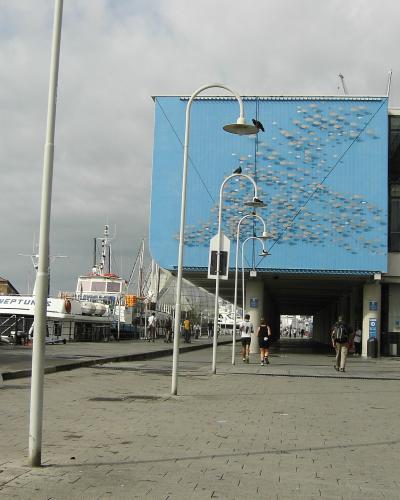
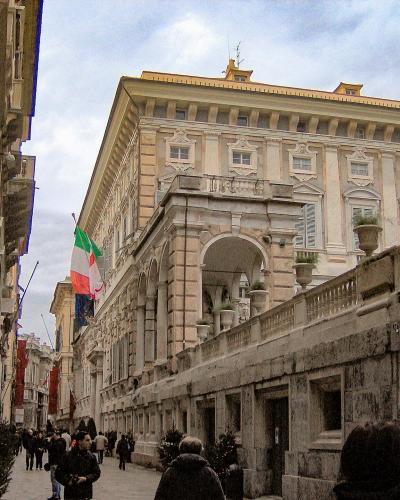
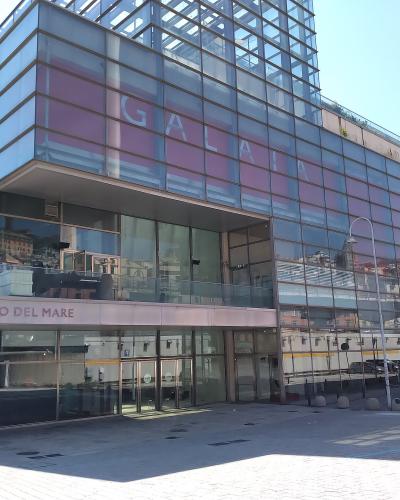
The main attractions in Genoa reflect its diverse history and cultural richness. The Aquarium of Genoa, one of the largest in Europe, is a major draw, featuring diverse marine life and educational exhibits. The historic center is a labyrinth of narrow streets, where visitors can explore the Palazzo Ducale, the former seat of the Doge, now housing exhibitions and events. The Via Garibaldi, home to the Rolli Palaces, offers a glimpse into the opulent lifestyle of Genoa’s aristocracy, with buildings like Palazzo Rosso and Palazzo Bianco housing impressive art collections. The Cathedral of San Lorenzo, with its striking black-and-white striped facade and the Shroud of Turin relic, is a key religious site. The Old Port (Porto Antico), redesigned by architect Renzo Piano, is a vibrant area with shops, restaurants, and the Bigo lift, which offers panoramic views of the city and harbor. The Lanterna, Genoa’s medieval lighthouse, is one of the oldest lighthouses in the world and provides another vantage point over the city.
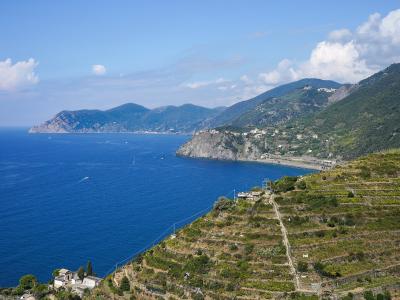
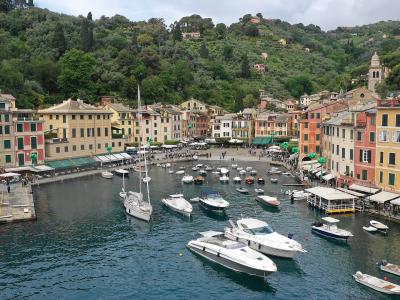
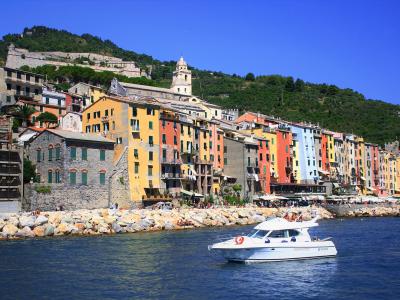
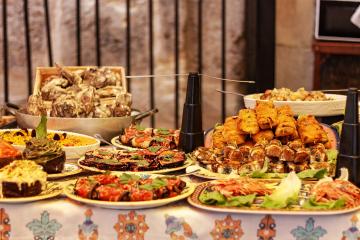
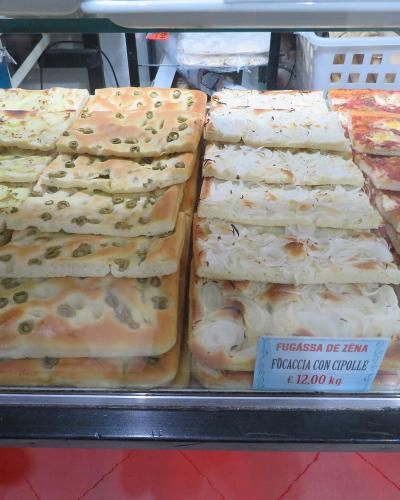
Activities in Genoa include exploring the historic center, visiting museums, and enjoying the coastal scenery. The city is famous for its cuisine, particularly pesto alla genovese, focaccia, and fresh seafood. Visitors can take guided tours to learn about the city’s maritime history and architecture. The surrounding Ligurian coast offers beautiful beaches and picturesque villages like Camogli and Portofino, easily accessible by train or car. Genoa also hosts various festivals and events throughout the year, celebrating its artistic and culinary heritage. Shopping includes local ceramics, textiles, and food products. For those interested in history, the National Gallery of Liguria and the Museum of the History of Genoa provide deeper insights into the city’s past.
Getting to Genoa is convenient via rail and road. The city is well-connected by the A10 motorway, linking it to Milan and the French Riviera. Genoa has two main railway stations: Genova Piazza Principe and Genova Brignole, with high-speed connections to major Italian cities. For those traveling by air, Genoa Cristoforo Colombo Airport is located about 30 kilometers from the city center. The best time to visit Genoa is from April to June or September to October, when the weather is mild and pleasant, ideal for exploring the outdoor attractions and historic sites. July and August can be hot and humid, with larger crowds. Winter is mild but can be rainy. Despite the seasonal variations, Genoa’s rich history and vibrant culture make it a rewarding destination year-round.
Best Time to Visit
Visit between April and June or September and October for mild temperatures and fewer crowds.
Did you know?
Interesting, verified facts about Genoa
Paganini's "Cannon" Violin Still Lives in Genoa
Notable PersonGenoa-born virtuoso Niccolò Paganini willed his favorite violin — a 1743 Guarneri "del Gesù" he nicknamed "Il Cannone" for its booming sound — to his hometown, "so that it may be perpetually preserved." After his death in 1840 the violin came home, and today it is displayed in a dedicated room in Palazzo Doria-Tursi on Via Garibaldi, still bearing wear marks from Paganini's own playing.
Source: Musei di Genova (official Genoa Museums site)Genoa Preserves Medieval Heritage
RecordGenoa’s historic center, or 'Caruggi,' is one of the largest and most densely populated old towns in Europe, characterized by narrow, winding alleys and towering medieval palaces.
Source: Historic center of Genoa - WikipediaPlan Your Visit to Genoa
Essential travel tips and information for your trip to Genoa.
Suggested Itineraries
One Day in Genoa
1 dayOne-day Genoa itinerary: historic streets, local food, and harbor v...
View ItineraryTravel Tips
Currency
EUR • Cards widely accepted
Language
Italian • English in tourist areas
WiFi
Free WiFi in cafes and hotels
Explore Genoa by Interest
Discover attractions and experiences in Genoa organized by your interests and travel preferences.
All attractions in Genoa
Sorted by our recommendation score
Quick Facts
Book your stay
Frequently Asked Questions
More destinations in Liguria
Explore other amazing places in the Liguria region