







- Where
- Genoa, Liguria
- Directions
- Directions
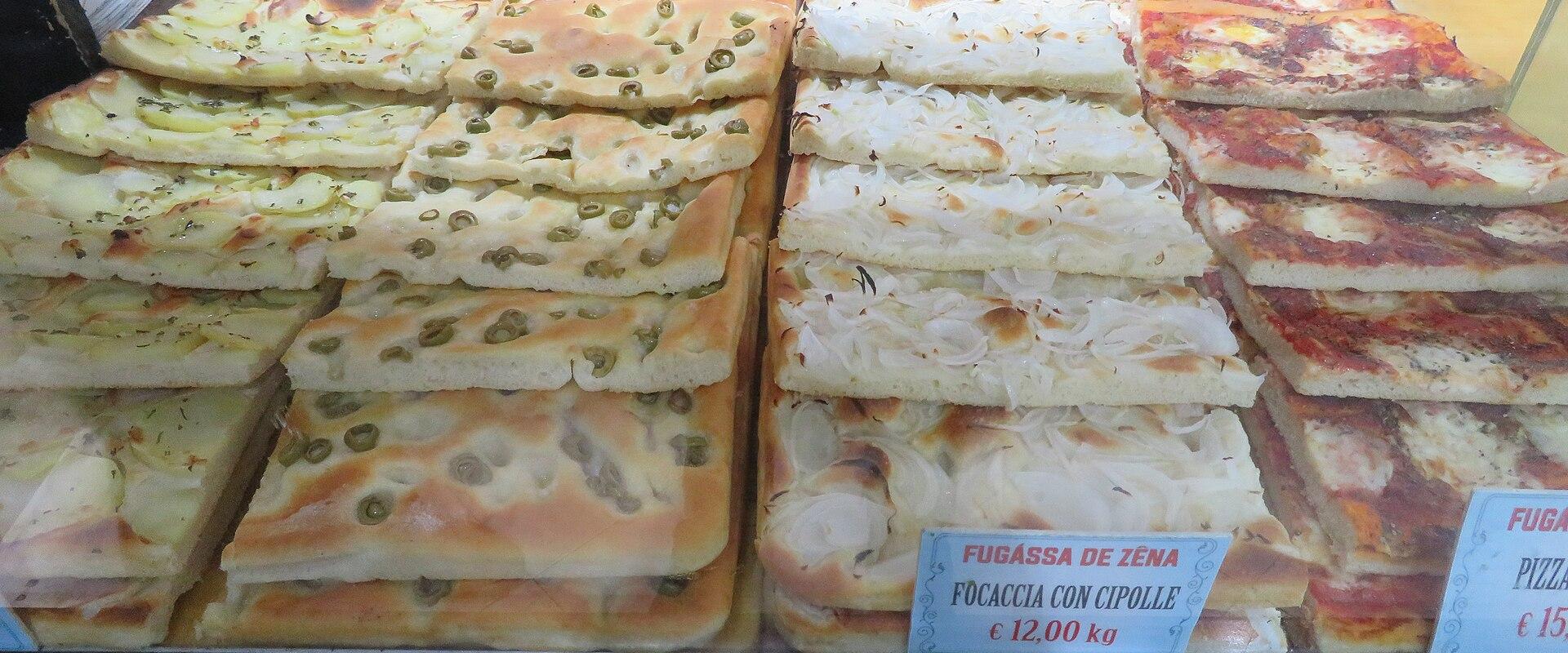
Focaccia Genovese is not a single physical attraction but rather a culinary staple that defines the food culture of Genoa. This iconic flatbread is characterized by its thin, soft texture and generous topping of olive oil, which gives it a distinctive golden crust and moist interior. Unlike thicker regional variations, the Genoese version is typically rectangular and served in small, individual portions. The dough is made with flour, water, yeast, salt and olive oil, and before baking, cooks press their fingertips into it to create dimples, then pour over a brine of water, salt and oil, which pools in the hollows and gives the crust its characteristic blisters. Coarse salt scattered on top gives a crunch, and the finished focaccia is soft and slightly chewy, with a crisp base.
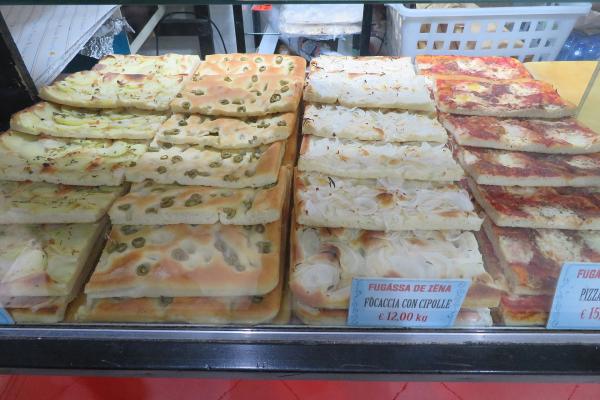
Visitors can experience this local specialty by exploring the city’s historic bakeries and focaccerie. These establishments are often found in the narrow alleyways, known as caruggi, which wind through the old town. The local ordering ritual involves purchasing small pieces of focaccia to eat immediately, often paired with a glass of local wine or beer. It is a common practice to enjoy this snack while walking through the streets, making it an integral part of the daily life in Genoa. Genoese people eat focaccia at any time of the day, but most famously for breakfast, when a warm piece is dipped into cappuccino or milky coffee, an unusual combination for visitors that locals swear by. Baker’s counters display trays of the golden bread cut into rectangles, and customers order it by weight.
For those interested in a broader culinary tour, the area also offers focaccia di Recco, a different variation stuffed with melted cheese. Recco is a small town on the coast east of Genoa, and its focaccia is made with two layers of very thin dough filled with fresh soft cheese, crescenza, and baked quickly in a hot oven, producing a crisp, bubbling surface, and it has protected geographical status in Europe. It is a different dish from the Genoese focaccia, closer to a thin cheese pie. Other Ligurian specialties often sold in the same places include farinata, a pancake made of chickpea flour baked in a wood oven, and savory pies filled with vegetables, and the perfect snack for a day in the city might include all three.
A walking route through the caruggi allows travelers to discover various bakeries, each with its own slight variation in technique and taste. Some bakers use a drizzle of oil, others a thicker dough, and some add toppings such as onions, olives or rosemary. While specific opening hours and prices vary by establishment, these spots are generally open daily, with peak activity in the morning and late afternoon, and they often sell out of the best pieces by lunchtime, so it pays to go early.
Exploring the world of Focaccia Genovese offers a direct taste of Genoa’s heritage, connecting visitors to the city’s maritime history and its enduring love for simple, high-quality ingredients. Sailors and workers needed food that was cheap, filling and portable, and focaccia, with its oil and salt, met that need. This culinary journey provides an authentic insight into the local lifestyle and traditions, and it combines naturally with visits to the old port, the aquarium and the narrow lanes of the historic center.
Categories
More photos coming soon
Nearby Attractions
Other places to visit in Genoa
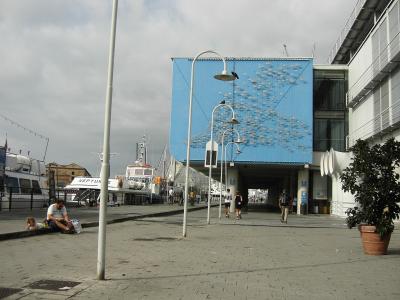
Aquarium of Genoa (Acquario di Genova)
Italy's largest aquarium in Renzo Piano's Porto Antico
Coastal & Maritime · Museums & Culture
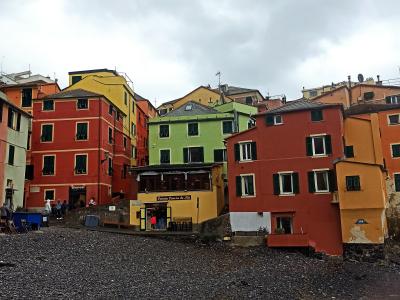
Boccadasse
Historic Genoese fishing village with colorful houses
Beaches · Fishing Villages
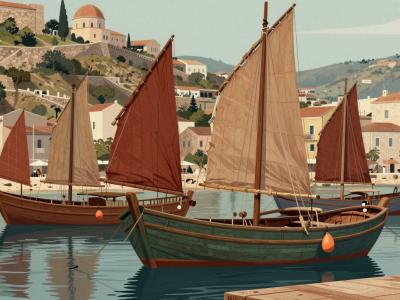
Caruggi (Old Town Alleys)
Europe's largest historic center with labyrinthine alleys
Cultural Tours · Historic Districts
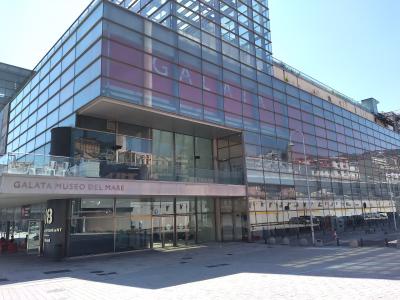
Galata Museo del Mare
Largest Mediterranean maritime museum in historic Palazzo...
Educational Sites · Historic Palaces
Questions people ask
Quick Facts
Best Time to Visit
Visit between April and June or September and October for mild temperatures and fewer crowds.