







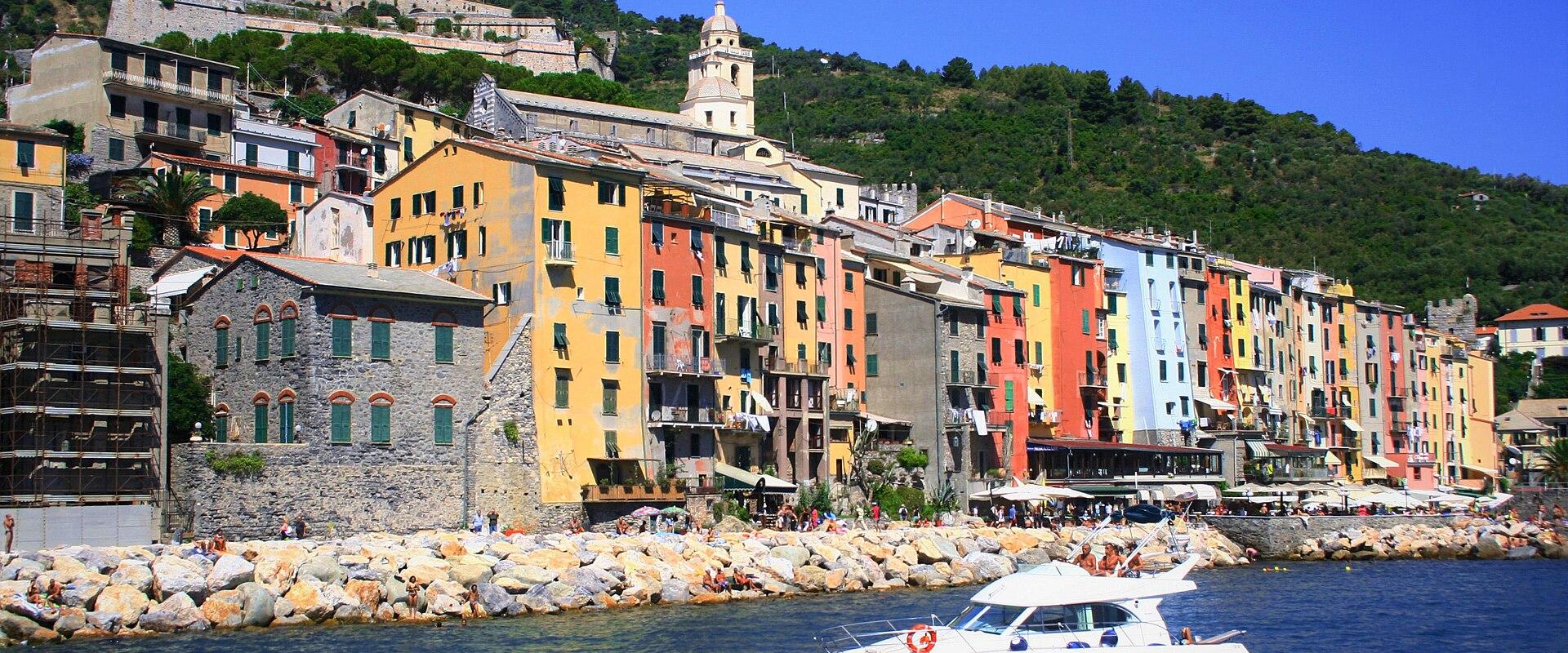
Portovenere’s history goes back to pre-Roman times, with evidence of Ligurian and Etruscan settlements. The town was founded by the Romans and later became a strategic point for the Republic of Genoa, which fortified the area to protect against pirate attacks. The name 'Portovenere' is believed to come from 'Portus Veneris,' after a temple of Venus that once stood on the site. During the Middle Ages the town was ruled by various families, and the castle that defends the harbour is known as the Doria Castle. The town also has a place in the literary history of the region, inspiring poets such as Lord Byron and Percy Bysshe Shelley, who visited the area and wrote about its beauty; Byron is said to have swum across the gulf to visit Shelley. In 1997 Portovenere was inscribed as a UNESCO World Heritage Site as part of the 'Cinque Terre and Portovenere' designation. Today the town preserves its historic centre, with narrow winding streets, medieval architecture, and churches that reflect its layered past as a Genoese stronghold and artistic haven.
The main attractions are centred on the harbour, the churches, and the islands. The Church of San Pietro, built in black and white stone on a rocky point above the sea, is the town’s most iconic landmark, with views of the coast and, below it, a sea cave known as the Grotta di Byron, or Byron's Grotto. The Doria Castle (Castello Doria), a pentagonal fortress on a promontory, is a good example of Genoese military architecture and offers views of the Gulf of Poets. The Church of San Lorenzo, with Romanesque and Gothic elements, is another significant religious site. The Palazzata, a seafront row of coloured buildings, is ideal for evening strolls and aperitivi. The Portovenere Harbor is the centre of town life, with boats, restaurants, and a small beach. The nearby islands of Palmaria, Tino, and Tinetto are part of the Portovenere Marine Protected Area, offering snorkelling, diving, and hiking. Tinetto holds the ruins of a small monastery, and Tino has a lighthouse and an ancient shrine that is open only on the saint's feast day in September.
Activities in Portovenere include exploring the historic centre, visiting the islands, and enjoying the local cuisine. The town is known for traditional Ligurian dishes, including pesto genovese, focaccia, and fresh seafood, and in particular the mussels of the nearby gulf. Visitors can take boat trips to the islands and nearby Cinque Terre villages. The surrounding area offers hiking along the coastal trails and swimming in the clear water. Portovenere also hosts festivals and events through the year, including the Feast of San Pietro and, in August, the candlelit procession of the Madonna Bianca. Shopping includes local ceramics, textiles, and food products. For those interested in history, guided tours explore the Genoese and medieval heritage of the town.
Getting to Portovenere is convenient by road and sea. The town is reached by car from La Spezia, about 15 kilometres away, along the coast road, with the SS1 Via Aurelia leading to La Spezia from Genoa. There is no railway station in Portovenere; the nearest stations are in La Spezia and Levanto, with bus connections to the town. Ferries operate from La Spezia and Levanto to Portovenere, with views of the coast. The nearest airport is Pisa International Airport, about 100 kilometres away.
The best time to visit Portovenere is from April to June or September to October, when the weather is mild and pleasant, ideal for outdoor attractions and historic sites. July and August are peak tourist months, with higher temperatures and larger crowds. Winter is cool but offers a quieter experience, with the town’s cafes and museums providing cultural entertainment. Despite the seasonal variations, Portovenere’s rich history and natural beauty make it a rewarding destination year-round.
Best time to visit
Visit between April and June or September and October for mild temperatures and fewer crowds.
What to see in Portovenere
Our picks first.
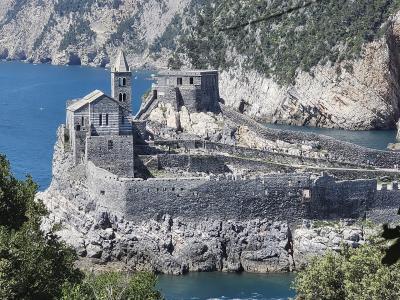
Church of San Pietro
Romanesque church on a rocky cliff above the sea
Coastal Walks · Historic Churches
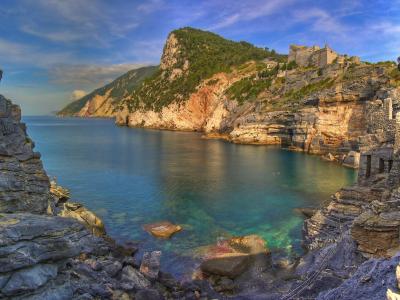
Grotta di Byron
Sea cave named for Lord Byron's legendary swim
Coastal & Maritime · History & Heritage
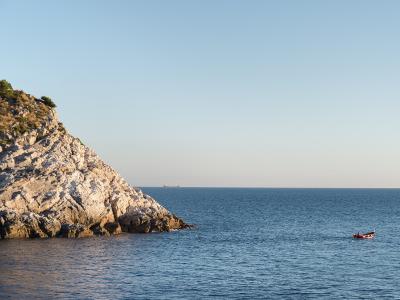
Isola Palmaria
Largest island in the Gulf of La Spezia
Coastal Walks · Islands
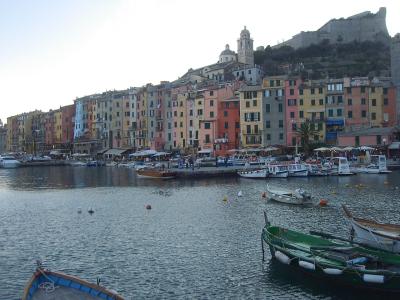
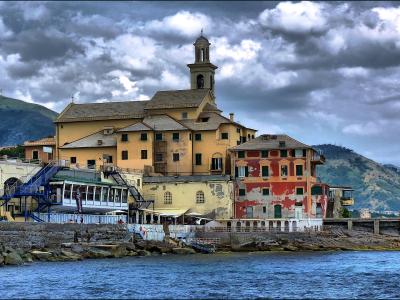
Portovenere Harbor
UNESCO harbor with colorful houses and medieval castle
Fishing Villages · Harbor Views
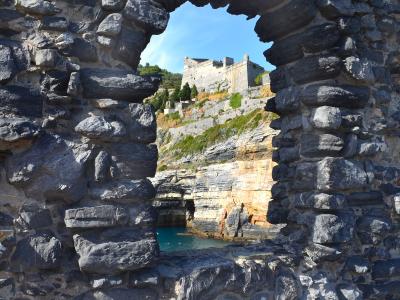
Doria Castle (Castello Doria)
12th-century Genoese pentagonal fortress
From €2.20 Castles & Fortresses · Coastal Walks
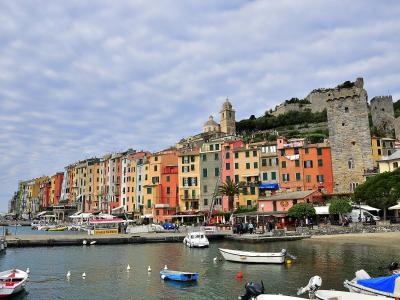
San Lorenzo Cathedral
Hilltop church overlooking Portovenere and the Ligurian Sea
Architectural Monuments · Historic Churches
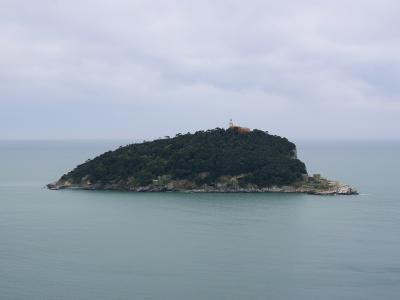
Isola del Tino
Military island with San Venerio's abbey ruins, open each September
Boat Tours · Historic Churches
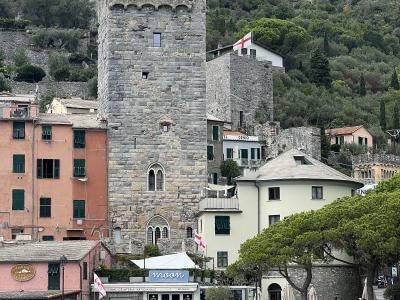
Porta del Borgo and Torre Capitolare
Genoese town gate inscribed 1113 and its 1161 tower
Architectural Monuments · Historic Districts
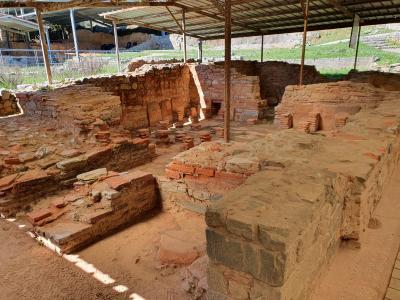
Villa Romana del Varignano
1st-century BC villa with Liguria's oldest Roman olive press
From €2 History & Heritage · Ancient Ruins
Portovenere by interest
The same sights, grouped by what you came for.
Did you know?
Checked facts about Portovenere, each with its source.
-
Record
Portovenere Shares a 1997 UNESCO Listing with Cinque Terre
Portovenere is part of the UNESCO World Heritage Site "Portovenere, Cinque Terre, and the Islands (Palmaria, Tino and Tinetto)", inscribed in 1997 as a cultural landscape for the way coastal communities shaped the steep Ligurian terrain. The three small islands off Portovenere are included in the listing.
Source: Italy Review
Planning a visit to Portovenere
Itineraries that include Portovenere
Good to know
- Currency
- EUR
- Language
- Italian
Quick Facts
Book your stay
Questions people ask
More places in Liguria
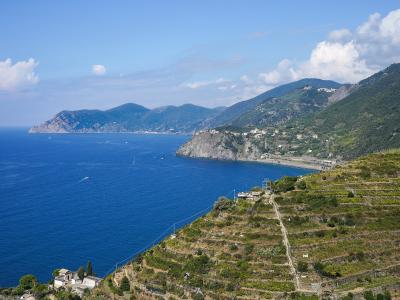
Liguria
Cinque Terre
Five colorful villages on Italy's rugged Ligurian coast
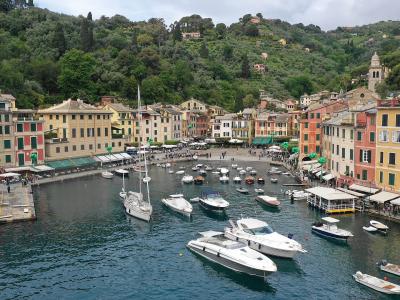
Liguria
Portofino
Exclusive Ligurian harbor with pastel villas and luxury yachts
Liguria
Genoa
Historic maritime republic with UNESCO old town and major aquarium
Liguria
Levanto
Gateway to Cinque Terre with long sandy beach and medieval center