







- Where
- Genoa, Liguria
- Directions
- Directions
Via Garibaldi, once known as Strada Nuova, the New Street, is the most celebrated street in Genoa and one of the finest examples of Renaissance urban planning in Italy. It was laid out in the 1550s, when the Genoese Republic was at the height of its wealth as a maritime and banking power, on land outside the old medieval centre, to provide space for the palaces of the city’s richest families. The project was a deliberate urban plan, with a straight, wide street, which was a novelty in a city of narrow alleys, and architects such as Galeazzo Alessi and Bernardino Cantone created designs for the grand houses along it. The street was renamed Via Garibaldi in 1882, after the national hero, and it remains the architectural showpiece of Genoa.
The palaces that line it were built in the 16th and 17th centuries, and they exemplify Genoese Baroque and Mannerist architecture. Each is a different composition, with a stone portal, a courtyard and a monumental staircase, many with painted ceilings and frescoes by leading artists of the age, and with gardens at the back that climb the hill. Behind the plain facades are rooms of great opulence, with stuccoes, gilded decoration and views over the port. Among the best known are the Palazzo Rosso and the Palazzo Bianco, the Red and White Palaces, which form part of the Musei di Strada Nuova and house major collections of paintings, including works by Van Dyck, Rubens, Veronese and Caravaggio’s school. The Palazzo Tursi, also known as Palazzo Doria-Tursi, now houses the town hall and a museum, where the violin that belonged to the virtuoso Niccolò Paganini is kept.
The street was also part of a unique system of hospitality. In 1576 the Republic drew up a list, the Rolli, of the finest private palaces, which were obliged to receive important guests on state visits, such as kings, cardinals and ambassadors, in rotation, according to their rank. The Rolli system allowed Genoa to display its wealth to the world and to impress foreign dignitaries, and many of the houses on Strada Nuova were in the list. In 2006, the Strade Nuove and the system of the Palazzi dei Rolli were inscribed on the UNESCO World Heritage list, as an outstanding example of a unified urban development and a social and economic system.
Walking along Via Garibaldi gives a glimpse of the Republic of Genoa in its golden age, and the street is closed to ordinary traffic, so it is a pleasant walk. Most visitors visit one or two palaces, depending on time and taste, and opening hours and ticket arrangements for each differ, so check locally. A walk along the street takes about half an hour, and a visit to a palace one or two hours. The street leads toward Piazza Fontane Marose and connects with the Piazza De Ferrari and the caruggi, the narrow alleys of the old town, and the Old Port with the Aquarium of Genoa, the Galata Museo del Mare, Boccadasse and the Giardini di Nervi are further away. It suits anyone interested in Renaissance and Baroque architecture and painting.
Categories
More photos coming soon
Nearby Attractions
Other places to visit in Genoa
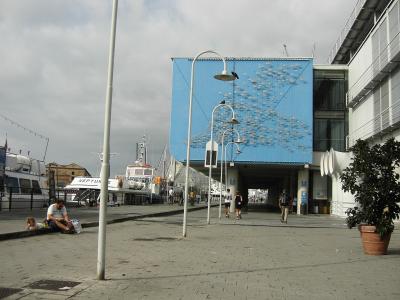
Aquarium of Genoa (Acquario di Genova)
Italy's largest aquarium in Renzo Piano's Porto Antico
Coastal & Maritime · Museums & Culture
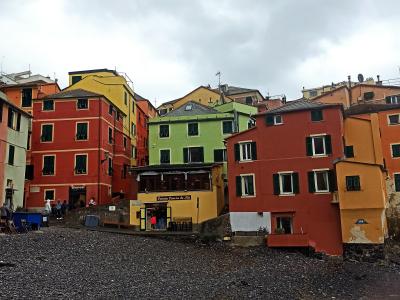
Boccadasse
Historic Genoese fishing village with colorful houses
Beaches · Fishing Villages
Caruggi (Old Town Alleys)
Europe's largest historic center with labyrinthine alleys
Cultural Tours · Historic Districts
Focaccia Genovese
Genoa's iconic thin, crispy flatbread
Artisan Workshops · Local Cuisine
Questions people ask
Quick Facts
Best Time to Visit
Visit between April and June or September and October for mild temperatures and fewer crowds.