







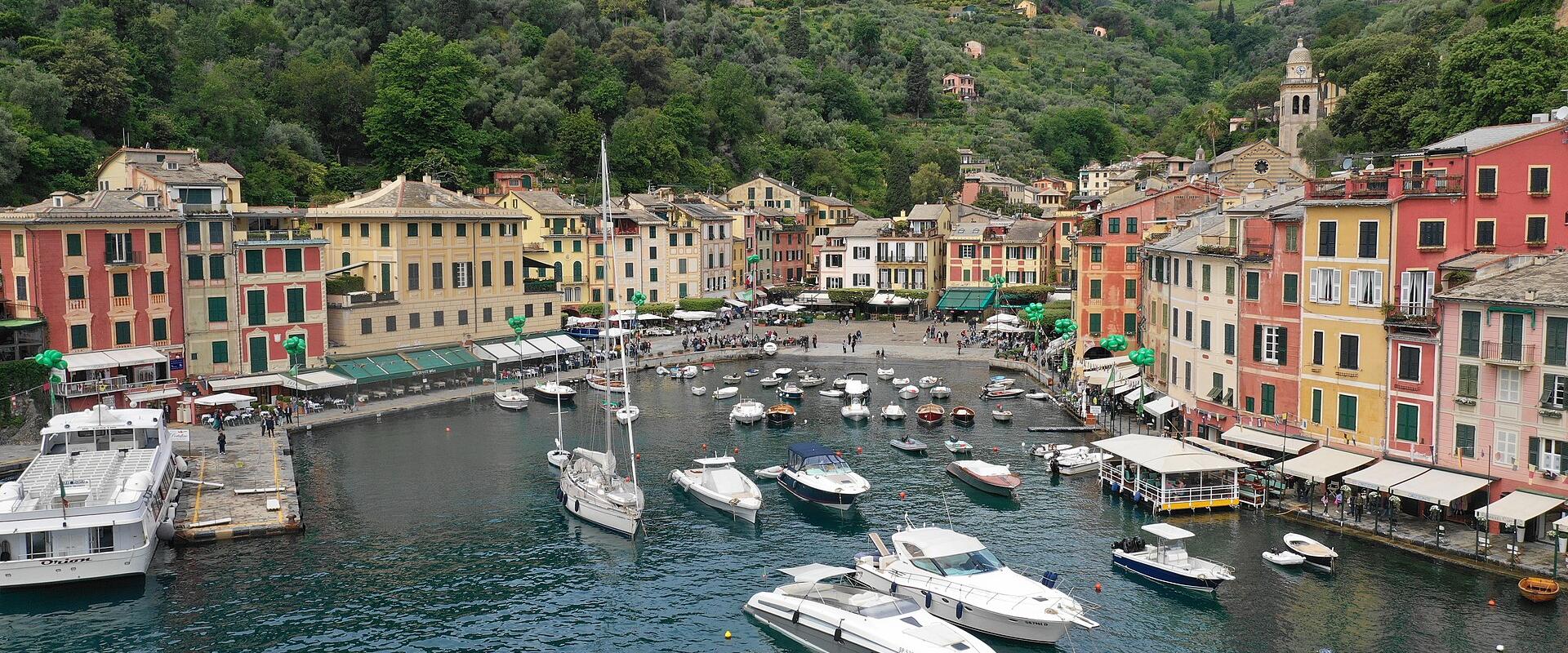
Portofino’s history is deeply rooted in its origins as a small fishing village. In Roman times it was known as Portus Delphini. For centuries the locals relied on fishing and agriculture, particularly olives and grapes, and the village was ruled by the Republic of Genoa. It stayed relatively isolated until the late 19th century, when it began to draw artists and writers looking for inspiration in its dramatic landscape, and a British diplomat, Montague Yeats-Brown, restored the old castle as a home. The arrival of wealthy international visitors in the early 20th century, including American and British aristocrats, turned Portofino into a fashionable resort. This period saw the construction of luxury hotels and villas, establishing the town’s reputation for glamour and exclusivity. During World War II Portofino was occupied by German forces, but it was liberated in 1945. After the war the town went on attracting the jet set, confirming its status as one of the most exclusive destinations in the Mediterranean. Today Portofino balances its historic charm with modern luxury, keeping its appeal as a haven for the wealthy and famous.
The main attractions are centred on the harbour and the scenic viewpoints. The Portofino Harbor is the centre of the village, lined with luxury yachts, coloured boats, and upscale restaurants. The Piazzetta, officially Piazza Martiri dell'Olivetta, is the small square at the harbour and the social centre of Portofino, ideal for people-watching with a coffee. The Church of San Giorgio, perched on a hill above the harbour and dating from the 12th century in its origins, is a key landmark, with views of the coastline and the surrounding hills. The Castello Brown, a fortress first built by the Genoese in the Middle Ages and remodelled in the 19th century, is open to visitors and has fine views over the village. The Lighthouse of Portofino, on the headland at Punta Portofino, is a historic maritime structure at the end of a pleasant walk. The Parco Naturale di Portofino is a protected regional park, and the Parco di Portofino, the Portofino Marine Protected Area, covers the waters of the headland, with fine snorkelling and diving, and the statue of the Christ of the Abyss, which lies in the sea off San Fruttuoso.
Walking is a main activity. Coastal paths connect Portofino with Camogli and San Fruttuoso. The town’s narrow streets are lined with boutiques selling high-end fashion, jewellery, and local crafts.
Activities in Portofino include swimming, sunbathing, and exploring the coastal paths. The town has several small beaches, such as the Spiaggia di Portofino, where visitors can relax and swim in the clear water. Boat tours explore the surrounding coastline. Dining features fresh seafood and traditional Ligurian cuisine, with many restaurants offering harbour views, and local dishes such as pesto, trofie, and focaccia. Shopping includes luxury brands, local ceramics, and textiles. The town also hosts events through the year, including the Portofino Summer Festival. For those interested in history, guided tours explain the town’s change from a fishing village to a luxury resort.
Getting to Portofino is convenient by road and sea. The town is reached by car from Genoa and Santa Margherita Ligure, though parking is limited and expensive. Public buses connect Portofino to Santa Margherita Ligure, which has a railway station with connections to Genoa and other major cities. Ferries operate from Santa Margherita Ligure and Camogli to Portofino, giving a scenic alternative to road travel. For those flying, the nearest airports are in Genoa and Pisa.
The best time to visit Portofino is from May to June or September to October, when the weather is mild and pleasant, ideal for outdoor activities and sightseeing. July and August are peak tourist months, with higher temperatures, larger crowds, and higher prices. Winter is quiet, with many facilities closed, but the town keeps its quiet beauty.
Best time to visit
Visit between May and June or September and October for mild temperatures and fewer crowds.
What to see in Portofino
Our picks first.
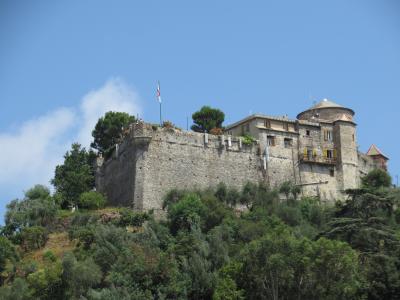
Castello Brown
Medieval Genoese fortress with panoramic bay views
Castles & Fortresses · Coastal Walks
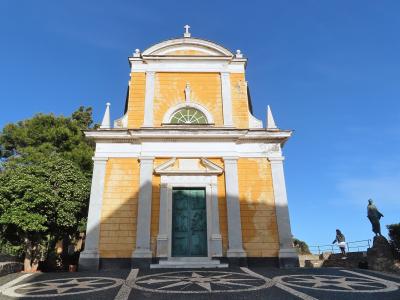
Chiesa di San Giorgio
12th-century Romanesque church rebuilt after WWII
Harbor Views · Historic Churches
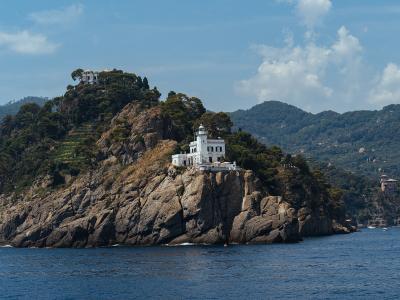
Lighthouse of Portofino
1917 lighthouse with café and Gulf views
Architectural Monuments · Harbor Views
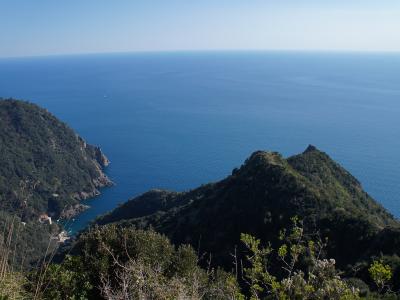
Parco di Portofino (Marine Protected Area)
1999 marine reserve with 376 hectares of protected Liguri...
Activities & Wellness · Coastal & Maritime
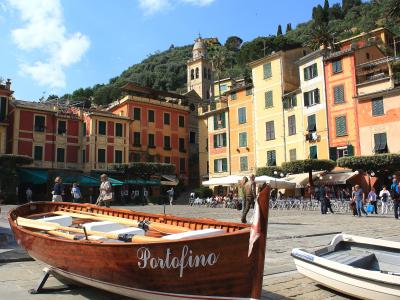
Piazzetta di Portofino
Vibrant public square with colorful buildings and harbor ...
Free Coastal & Maritime · History & Heritage
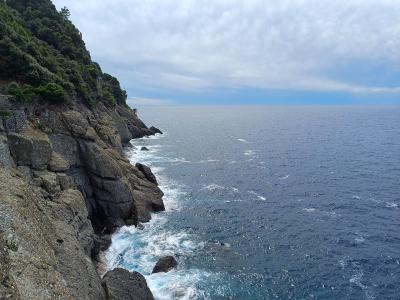
Parco Naturale di Portofino
Coastal park with historic lighthouse and hiking trails
Activities & Wellness · Coastal & Maritime
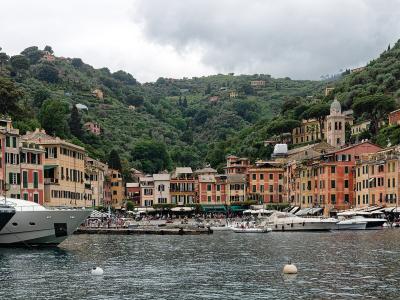
Portofino Harbor
Crescent harbor of colorful buildings on the Italian Riviera
Harbor Views · Historic Towns
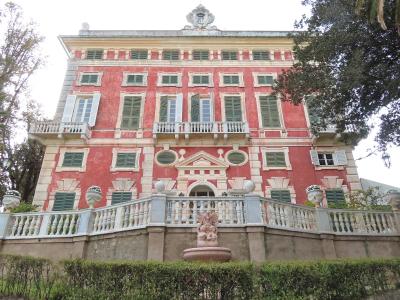
Villa Durazzo
17th-century noble villa and gardens above Santa Margherita Ligure
Botanical Gardens · Historic Palaces
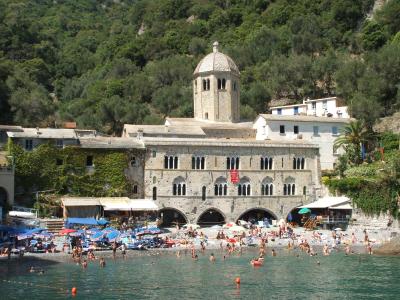
Abbazia di San Fruttuoso
Medieval abbey in a cove reachable only on foot or by sea
Beaches · Hiking Trails
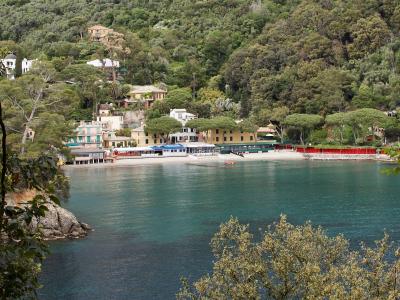
Baia di Paraggi
Sheltered bay and former millers' hamlet on the Portofino road
Beaches · Castles & Fortresses
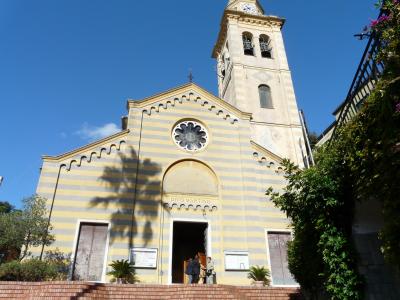
Chiesa del Divo Martino
Portofino's parish church, rooted in the 12th century
Historic Churches · Historic Towns
Portofino by interest
The same sights, grouped by what you came for.
Planning a visit to Portofino
Itineraries that include Portofino
Good to know
- Currency
- EUR
- Language
- Italian
Quick Facts
Book your stay
Questions people ask
More places in Liguria
Liguria
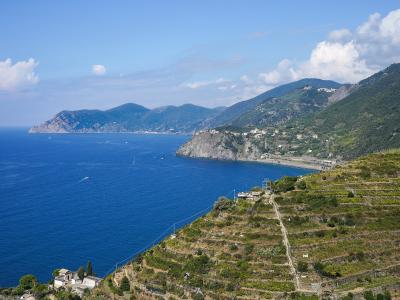
Cinque Terre
Five colorful villages on Italy's rugged Ligurian coast
Liguria
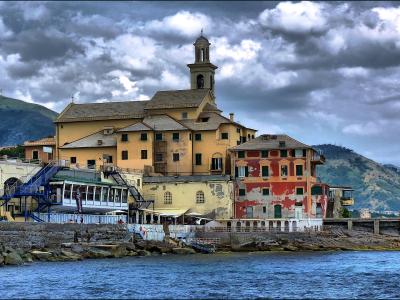
Genoa
Historic maritime republic with UNESCO old town and major aquarium
Liguria
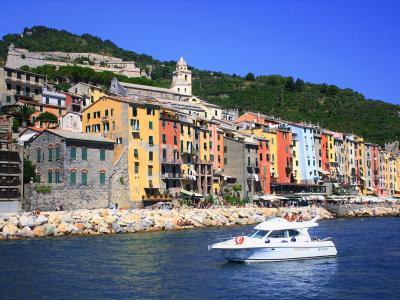
Portovenere
UNESCO coastal village in Liguria with colorful harbor and islands
Liguria
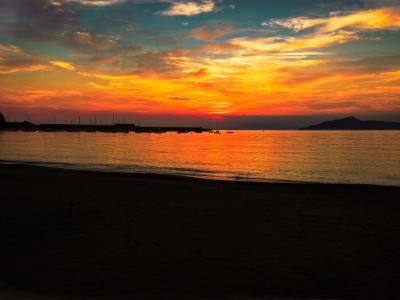
Levanto
Gateway to Cinque Terre with long sandy beach and medieval center