







Caruggi (Old Town Alleys)
Europe's largest historic center with labyrinthine alleys
- Where
- Genoa, Liguria
- Directions
- Directions
The Caruggi are the narrow, winding alleys that make up the historic centre of Genoa, and they form one of the largest and best-preserved medieval city centres in Europe, a labyrinth of passages that has been the centre of the city for more than a thousand years. The word caruggi, in the Genoese dialect, means the narrow streets, and many of the alleys are only a metre or two wide, lined with tall houses of six or seven storeys that block out much of the sun. This dense plan was the result of the geography of Genoa, which is squeezed between the sea and steep hills, and of the medieval wish to make the most of limited space while providing shade and shelter from the wind and heat. The effect is of a city of shadow and surprise, in which broad squares and grand palaces appear suddenly at the end of a dark lane.
Genoa was a powerful maritime republic in Italy, and during the Renaissance the city was at the height of its wealth; and the wealth of its merchants and bankers shaped the old town. Among the maze of passages are some of the city’s greatest monuments, the churches, towers and palaces built by the leading families. The Cathedral of San Lorenzo, with its Romanesque and Gothic facade of black and white stripes and its lions at the entrance, stands in the middle of the old town, and the Porta Soprana, a medieval gate, stands next to the house said to be that of Christopher Columbus, who was born in Genoa. Nearby are the Palazzo Ducale, the former seat of the doges, and the many palaces of the UNESCO-listed Palazzi dei Rolli, the aristocratic residences inscribed on the UNESCO World Heritage list, which were used to host official guests of the Republic. The arcaded street of Sottoripa, along the old harbour, with its small shops and fried-fish stalls, is another landmark.
Exploring the Caruggi is an experience of discovery. Each alley has its own character, with small workshops, tiny chapels, hidden courtyards, old grocers and delicatessens, wine bars and restaurants, and the smells of the kitchens drift through the passages. Visitors can try the local specialities, such as focaccia genovese, fresh from the oven, farinata, a pancake of chickpea flour, pesto and fried seafood, in the simple eateries that line the lanes. Streets such as Via San Luca and Via del Campo, which was immortalised in a song by Fabrizio De André, belong to the working-class history of the port. Away from the main routes, there are quiet corners where you can see how ordinary people live.
The Caruggi are open at all times, but the best time to wander is during the day, when the shops are open and the light filters between the buildings. Some alleys can feel dark and rough in the evening or at night, so take normal care of your belongings and stay on the busier lanes after dark. A walk through the old town can take a morning or a whole day. The district is a short distance from the Aquarium of Genoa (Acquario di Genova), the Galata Museo del Mare, Piazza De Ferrari, Via Garibaldi (Strada Nuova) and Palazzo Tursi. It suits those who like atmosphere, history and food, and who enjoy getting pleasantly lost.
Categories
More photos coming soon
Nearby Attractions
Other places to visit in Genoa
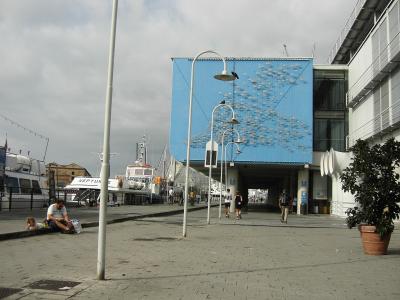
Aquarium of Genoa (Acquario di Genova)
Italy's largest aquarium in Renzo Piano's Porto Antico
Coastal & Maritime · Museums & Culture
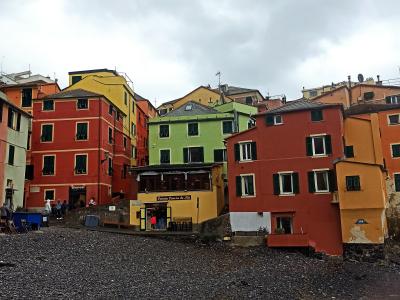
Boccadasse
Historic Genoese fishing village with colorful houses
Beaches · Fishing Villages
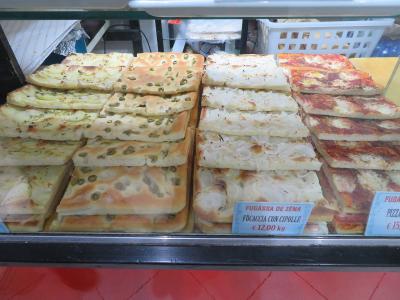
Focaccia Genovese
Genoa's iconic thin, crispy flatbread
Artisan Workshops · Local Cuisine
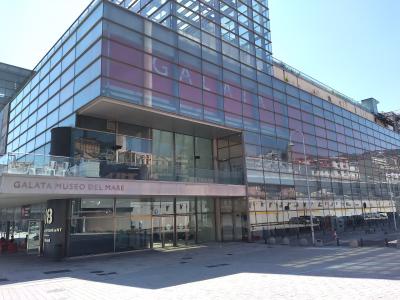
Galata Museo del Mare
Largest Mediterranean maritime museum in historic Palazzo...
Educational Sites · Historic Palaces
Questions people ask
Quick Facts
Best Time to Visit
Visit between April and June or September and October for mild temperatures and fewer crowds.