


Gallipoli
Ionian coastal town in Salento with historic old island and beaches
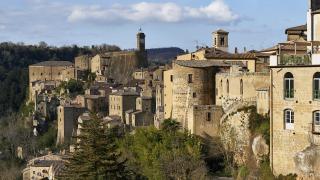
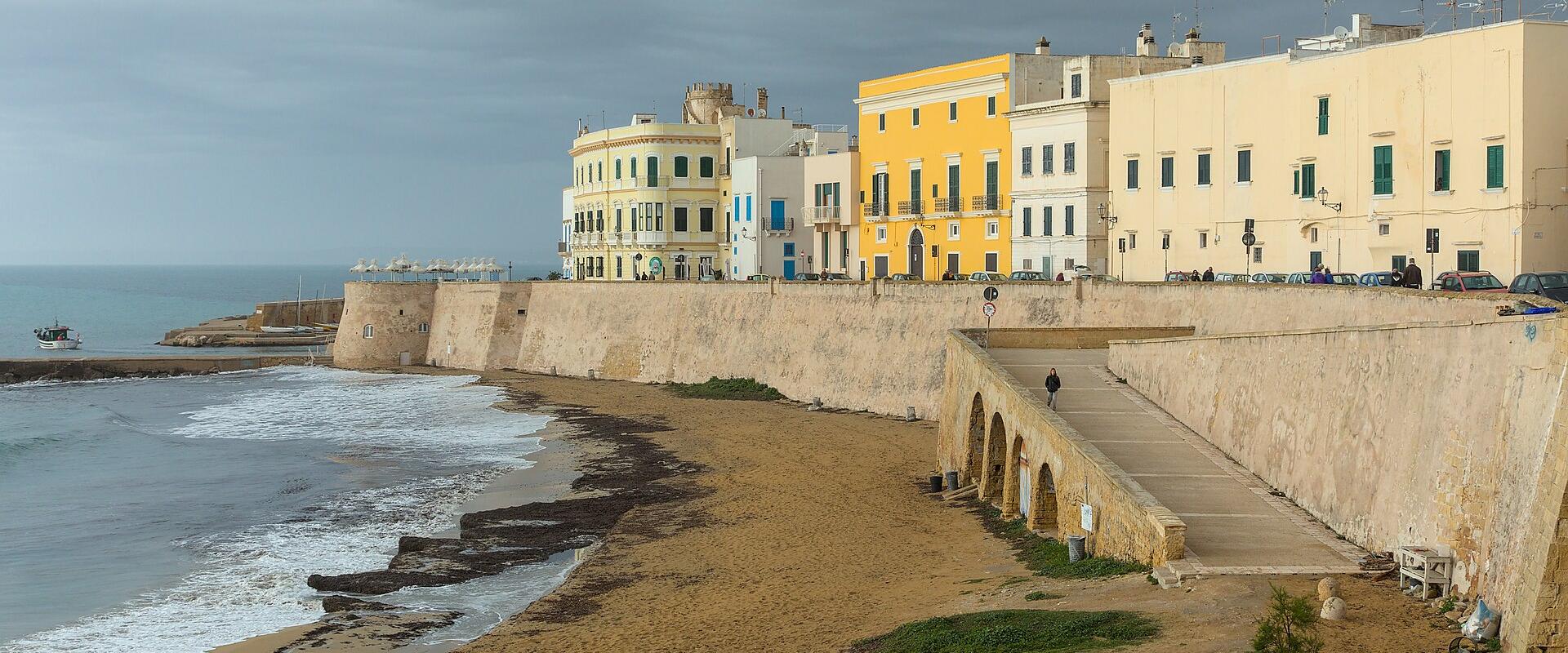
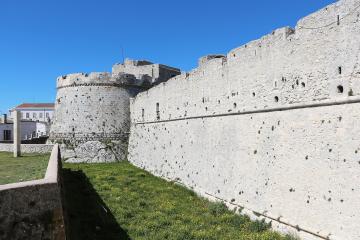
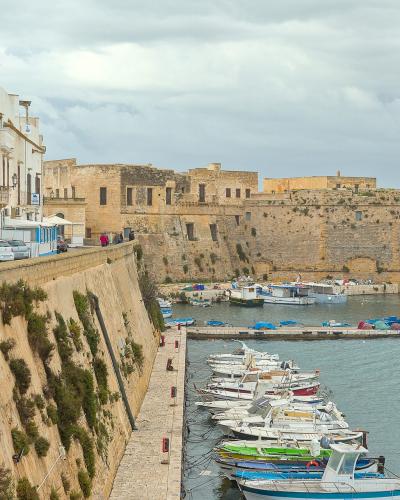
Gallipoli’s history dates back to the 8th century BC when it was founded by Greek colonists from Taras (modern Taranto), who named it Kallipolis, meaning 'Beautiful City.' The town flourished under Greek and Roman rule, becoming an important center for trade and culture. During the Middle Ages, Gallipoli was contested by various powers, including the Byzantines, Normans, and Spanish, each leaving their architectural and cultural imprint. The Spanish period, in particular, saw the construction of many of the town’s Baroque churches and palaces, giving the historic center its distinctive aesthetic. The town was fortified to protect against pirate attacks, resulting in the construction of the Castello Carlo V and the city walls. Today, Gallipoli preserves its historic island center, with narrow streets, whitewashed buildings, and a vibrant port. The town has also become a popular destination for tourism, attracting visitors with its beautiful beaches, fresh seafood, and lively nightlife.
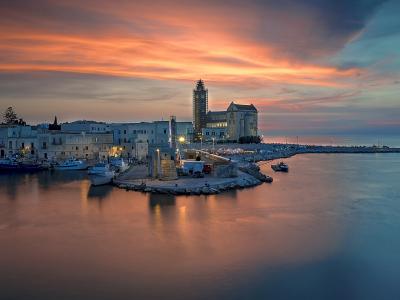
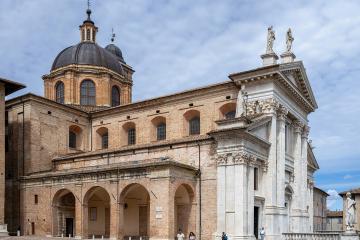
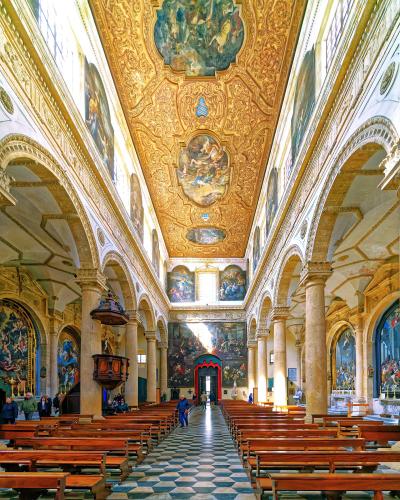
The main attractions in Gallipoli are centered around its historic island and coastal areas. The Old Town (Isola Vecchia) is the heart of the city, connected to the mainland by the Ponte della Libertà. The Castello Carlo V, a 16th-century fortress, offers panoramic views of the sea and the old town. The Cathedral of the Immaculate Conception, with its Baroque facade and interior, is a significant religious site. The Piazza della Libertà is the main square, surrounded by cafes and shops. The old port is a lively area where fishing boats dock, and visitors can enjoy fresh seafood at local restaurants. The Lido di Gallipoli, a long sandy beach, is popular for swimming and sunbathing. The surrounding area includes the nearby town of Otranto, known for its historic center and cathedral, and the Salento countryside, known for its olive groves and vineyards. The town also hosts various festivals and events throughout the year, celebrating its maritime heritage and local culture.
Activities in Gallipoli include exploring the historic sites, visiting the beaches, and enjoying the local cuisine. The town is known for its traditional Puglian dishes, including orecchiette pasta, burrata cheese, and fresh seafood. Visitors can take guided tours to learn about the town’s history and maritime traditions. The surrounding area offers opportunities for boat trips, snorkeling, and hiking. Gallipoli also hosts various cultural events, including the Feast of the Immaculate Conception. Shopping includes local ceramics, textiles, and food products. For those interested in history, guided tours are available to explore the town’s Greek, Roman, and Baroque heritage.
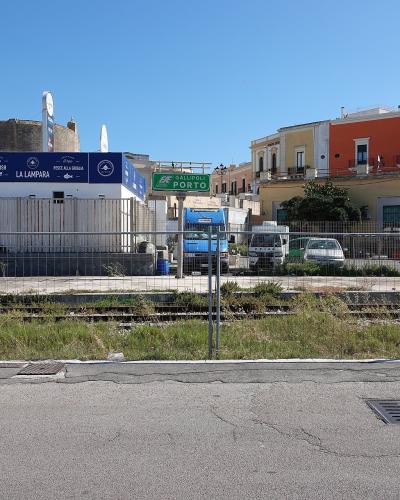
Getting to Gallipoli is convenient via rail and road. The town is accessible by train from Lecce, approximately 40 kilometers away, with frequent services to Gallipoli station. For those traveling by car, the SS16 and SS106 roads provide easy access from Lecce and other major cities. The nearest airport is Brindisi Airport, located about 80 kilometers away. The best time to visit Gallipoli is from May to June or September to October, when the weather is warm and pleasant, ideal for beach activities and sightseeing. July and August are peak tourist months, with higher temperatures and larger crowds. Winter is mild but can be windy. Despite the seasonal variations, Gallipoli’s rich history and beautiful coastline make it a rewarding destination year-round.
Best Time to Visit
Visit between May and June or September and October for warm weather and fewer crowds.
Did you know?
Interesting, verified facts about Gallipoli
Gallipoli Has Another Verifiable Detail
HistoryKnown as the 'Pearl of the Ionian Sea,' Gallipoli offers a distinct atmosphere of Mediterranean charm, characterized by its Baroque architecture, narrow winding streets, and lively nightlife.
Source: Visiting Gallipoli: A travel guide, what to see and do - Puglia TourismPlan Your Visit to Gallipoli
Essential travel tips and information for your trip to Gallipoli.
Suggested Itineraries
One Day in Gallipoli
1 dayExplore a walled island old town, Baroque churches, and Ionian beac...
View ItineraryTravel Tips
Currency
EUR • Cards widely accepted
Language
Italian • English in tourist areas
WiFi
Free WiFi in cafes and hotels
Explore Gallipoli by Interest
Discover attractions and experiences in Gallipoli organized by your interests and travel preferences.


All attractions in Gallipoli
Sorted by our recommendation score
Quick Facts
Book your stay
Frequently Asked Questions
More destinations in Apulia
Explore other amazing places in the Apulia region