







Gallipoli Cathedral (Duomo di Gallipoli)
17th-century Baroque cathedral in Gallipoli's old town
- Where
- Gallipoli, Apulia
- Directions
- Directions
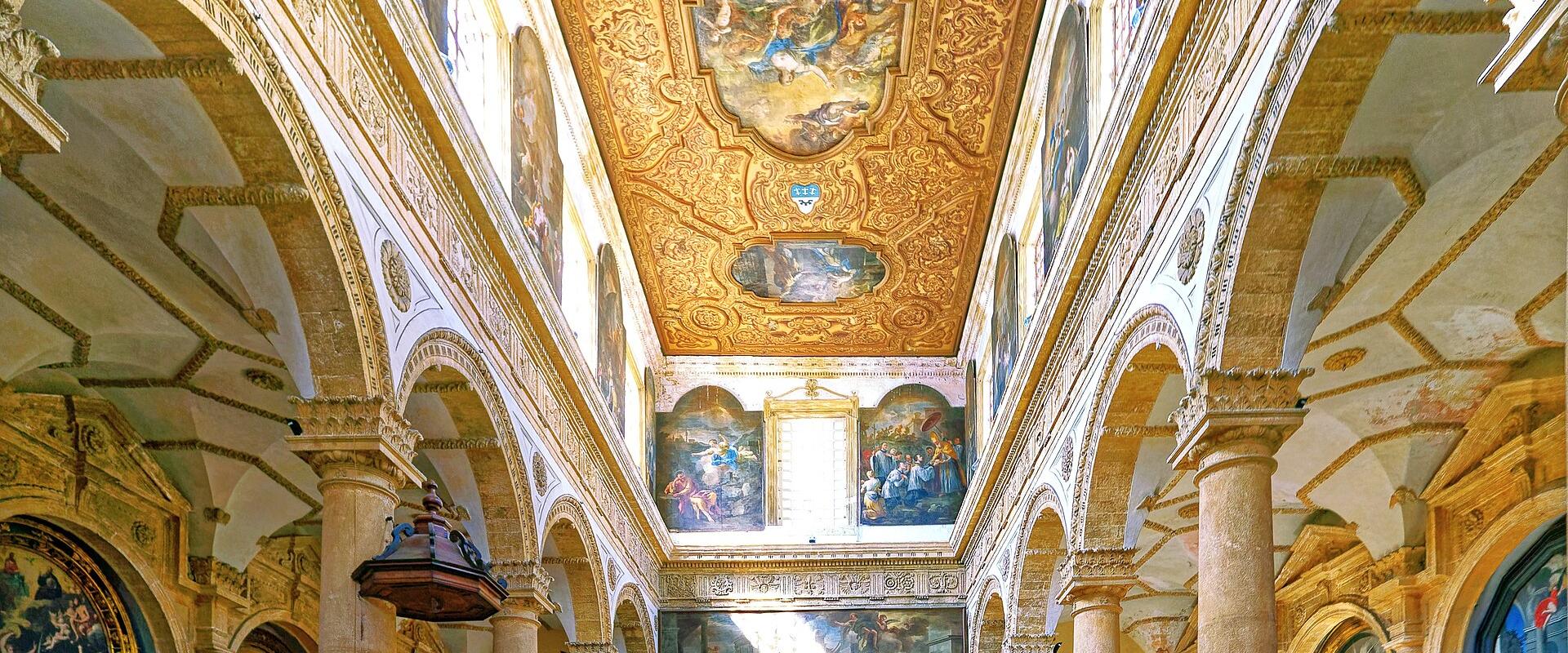
The Gallipoli Cathedral, officially the Basilica Cattedrale di Sant’Agata, stands in the historic old town of Gallipoli, on a limestone island in the Ionian Sea on the Salento peninsula, in the heel of Italy. It is dedicated to Saint Agatha, the patron saint of the city, and it is one of the finest examples of Baroque architecture in the Leccese style, the exuberant local manner of the baroque that developed in Lecce and the surrounding region in the 17th century and is carved in soft, honey-colored local limestone. Its imposing Baroque facade dominates the panorama of the island city, reflecting the wealth and artistic flourishing of Gallipoli from the 16th century onwards.
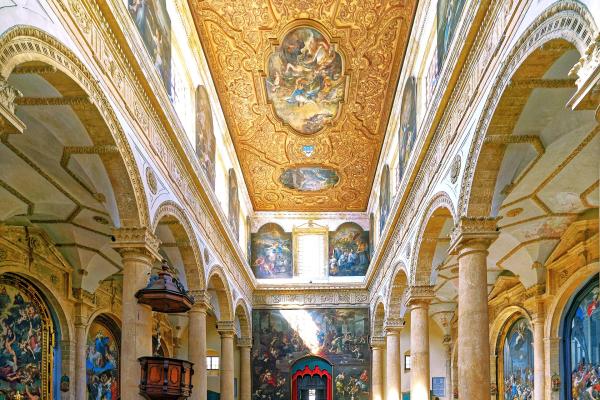
The cathedral was built between 1629 and 1696 and designed by the architect Giovan Bernardino Genuino, during a time of prosperity driven by the trade in olive oil, which was exported across Europe from the port. The facade is divided into two orders with niches holding statues of saints and carved decoration of volutes, garlands and ornamental frames, all in light stone that warms to gold in the evening sun. The interior is richly decorated in the same spirit, with chapels and altars along the walls, and paintings of the 17th and 18th centuries by local artists decorate the walls and ceiling, showing scenes from the lives of saints and from the Bible.
Gallipoli itself has a rich history, founded by Greeks, whose name for the town, Kallipolis, means beautiful city, and later occupied by Romans, Byzantines and Normans. The city’s strategic location on a rocky island, joined to the mainland by a bridge, contributed to its development as a significant cultural and commercial hub. The cathedral is a focal point for religious and historical interest within the narrow streets of the old town, which are lined with palaces, small churches and houses with balconies, many of them with views of the sea at the end of the lane.
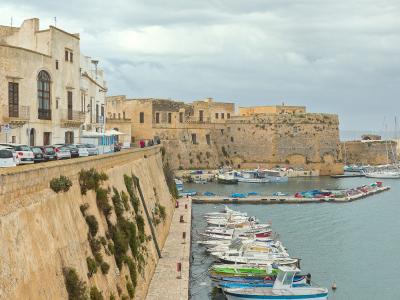
It is advisable to check local information for mass times, as access may be restricted during services. Modest dress is expected, and visitors should be quiet in the nave. The cathedral stands within easy walking distance of the Castello di Gallipoli, an Angevin fortress at the entrance to the old town, and of the Ancient Fishing Port, where boats still unload their catch in the early morning and the fish market lies close to the port. The Fontana Greca, a short stroll away, is a well-known old fountain.
Exploring the Gallipoli Cathedral offers a profound insight into the Baroque heritage of the Salento region. It reflects Gallipoli’s wealth and taste, and suits those interested in architecture and art, and combines well with a walk along the sea walls of the old town and an evening at the port. Early morning and late afternoon are good times to visit, when the light on the facade is at its best.
More photos coming soon
Nearby Attractions
Other places to visit in Gallipoli
Questions people ask
Quick Facts
Best Time to Visit
Visit between May and June or September and October for warm weather and fewer crowds.