







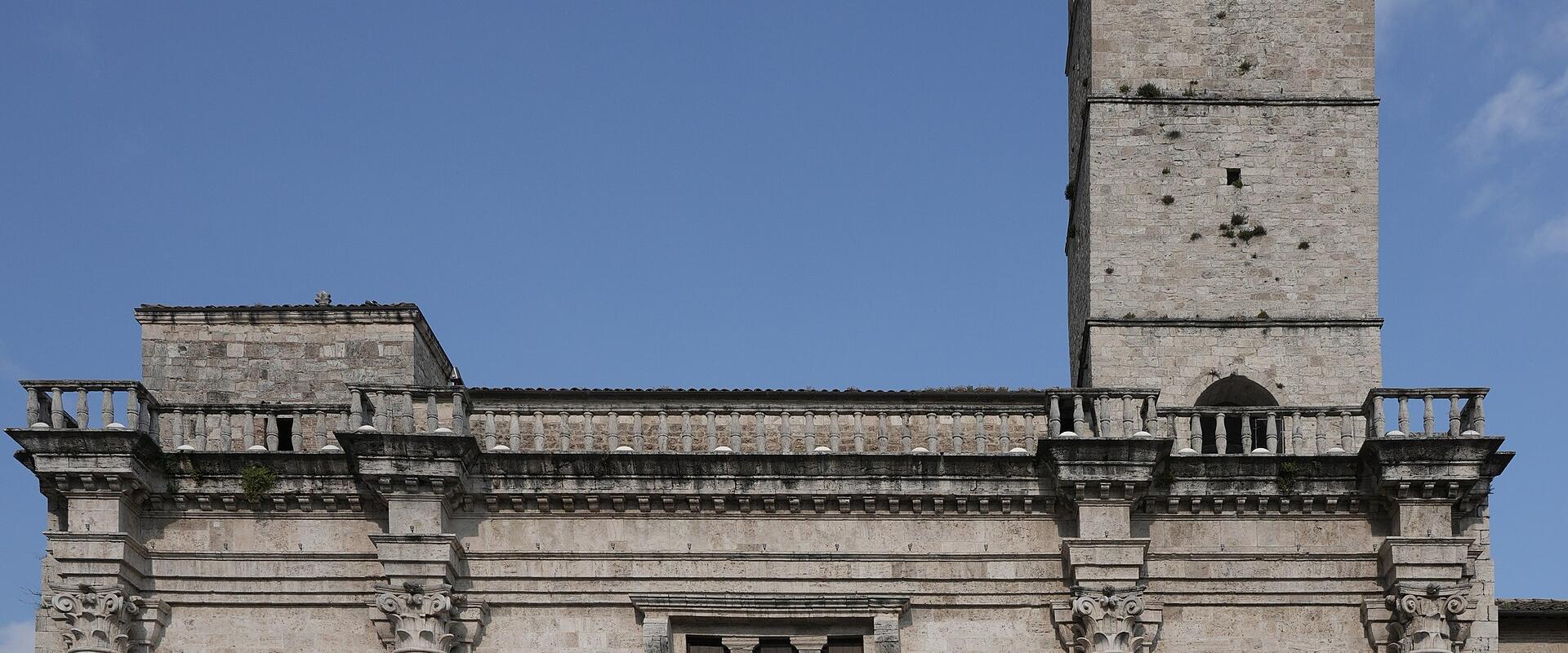
Ascoli Piceno
Travertine city in Marche with Roman history and charming piazzas
Ascoli Piceno’s history goes back to pre-Roman times, when it was inhabited by the Piceni, an ancient Italic tribe. The city was later conquered by the Romans and became a significant municipium, with key infrastructure such as the Via Salaria; the best-known surviving Roman gate is the Porta Gemina. During the Middle Ages Ascoli Piceno was a commune that often clashed with neighbouring cities, including Fermo and the Papal States. The city was ruled by various families and powers, including the Malatesta and the Sforza, before becoming part of the Papal States in the 16th century. This period saw the construction of many of the city’s most iconic buildings, including the Cathedral of San Emidio. The city stayed under papal rule until the unification of Italy in the 19th century. Throughout its history Ascoli Piceno has been a centre of trade, culture, and art, leaving behind a rich architectural legacy that reflects its diverse influences.
The main attractions are centred on the historic centre and the architectural landmarks. The Piazza del Popolo is the main square, surrounded by the Palazzo dei Capitani del Popolo, the Church of San Francesco, and the Loggia dei Mercanti. The Cathedral, in the Piazza Arringo, has Romanesque and Gothic elements and holds the tomb of Saint Emidio, the patron saint of the city. The Loggia dei Mercanti, a Gothic loggia, was used as a marketplace in medieval times. The Ponte Romano, or Ponte Romano di Solestà, and the Porta Romana are real survivals of the Roman city. The city also has the Church of Santa Maria della Porta and the Church of San Francesco, both showing significant artistic and architectural details. The Mercato Coperto, a covered market, is a lively place for local food. The historic centre is a maze of narrow streets lined with travertine buildings, shops, and cafes, inviting visitors to explore its hidden corners.
The city’s best-known festival is the Quintana, a medieval pageant and jousting tournament held in early August, in which the city’s districts compete in costume. Its signature food is the olive all'ascolana, a large green olive stuffed with meat, breaded and fried, and the local anise liqueur is also well known.
Activities in Ascoli Piceno include exploring the historic sites, visiting museums, and enjoying the local cuisine. The city is known for traditional Marche dishes, including vincisgrassi (a baked pasta dish), bruschetta, and wines such as Rosso Piceno. Visitors can take guided tours to learn about the city’s history and the significance of its travertine architecture. The surrounding area offers hiking trails and access to the Sibillini Mountains, as well as the Adriatic coast, with beaches such as San Benedetto del Tronto easily accessible. Ascoli Piceno also hosts festivals and events through the year, celebrating its artistic and culinary heritage. Shopping includes local crafts, ceramics, and food products such as olive oil and truffles.
Getting to Ascoli Piceno is convenient by road and rail. The city is reached from the A14 motorway, which links it to Bologna and Bari, via a link road from the coast near San Benedetto del Tronto. Ascoli Piceno has a railway station on a branch line with connections to the coast and onward to major Italian cities. For those flying, the nearest airports are in Ancona and Pescara.
The best time to visit Ascoli Piceno is from April to June or September to October, when the weather is mild and pleasant, ideal for outdoor attractions and historic sites. Summer can be hot, while winter is cold but rarely severe. Despite the seasonal variations, Ascoli Piceno’s unique architecture and cultural offerings make it a rewarding destination year-round.
Best time to visit
Visit between April and June or September and October for mild temperatures and fewer crowds.
What to see in Ascoli Piceno
Our picks first.
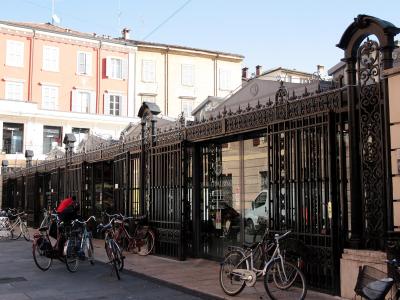
Mercato Coperto (Covered Market)
Historic covered market for local produce and artisanal g...
Free Food & Gastronomy · Urban Exploration
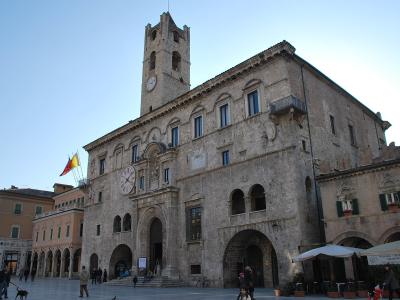
Palazzo dei Capitani del Popolo
Renaissance palace on Piazza del Popolo
Free Architectural Monuments · Cultural Tours
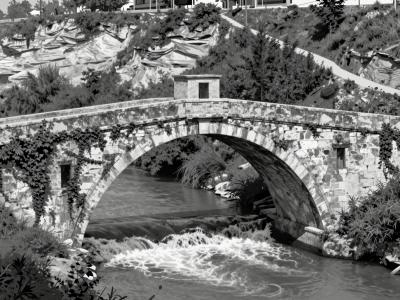
Ponte Romano (Roman Bridge)
Augustan-era Roman bridge spanning the Tronto River
Ancient Ruins · Historic Bridges
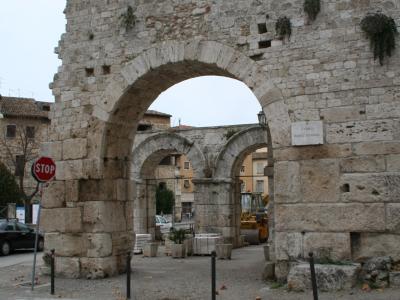
Porta Romana
Roman and medieval fortifications in Ascoli Piceno
Architectural Monuments · Historic Gates
Ascoli Piceno by interest
The same sights, grouped by what you came for.
Planning a visit to Ascoli Piceno
Itineraries that include Ascoli Piceno
Good to know
- Currency
- EUR
- Language
- Italian
Quick Facts
Book your stay
Questions people ask
More places in Umbria and Marche
Umbria and Marche
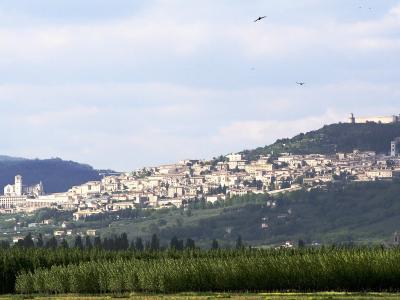
Assisi
UNESCO hilltop town in Umbria, birthplace of St. Francis
Umbria and Marche
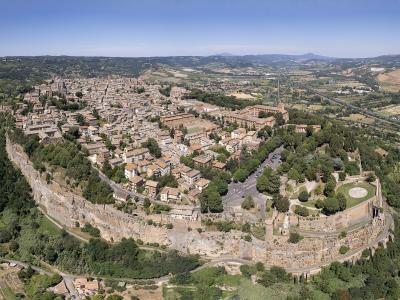
Orvieto
Volcanic tuff hill town in Umbria with Gothic cathedral and Etruscan wells
Umbria and Marche
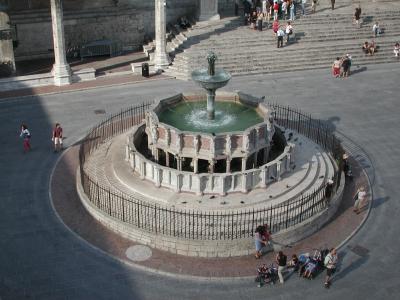
Perugia
Umbrian hill city with Etruscan walls, chocolate heritage, and jazz festival
Umbria and Marche
Urbino
UNESCO-listed Renaissance gem in Marche with Ducal Palace