







- Where
- Ascoli Piceno, Umbria and Marche
- Directions
- Directions
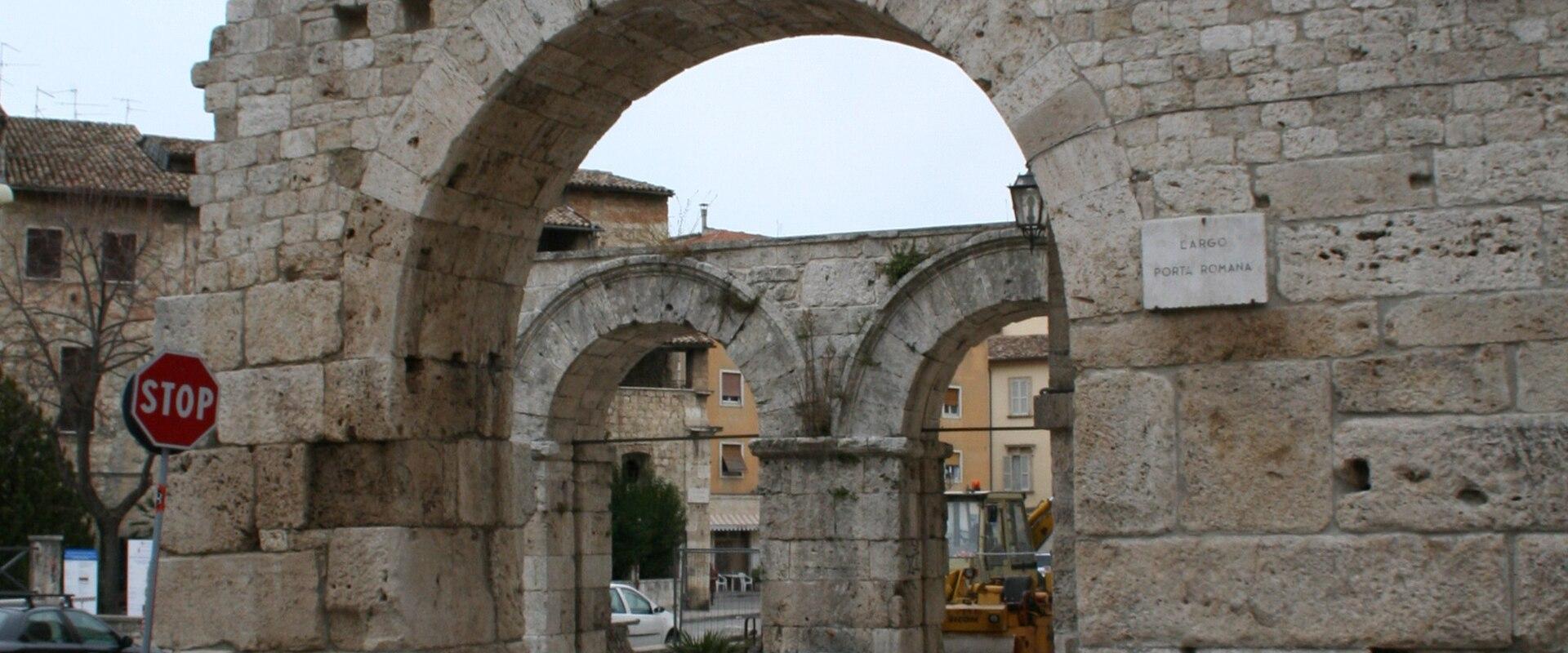
Porta Romana is a gate in the western part of Ascoli Piceno, in the Marche, and it is one of the places where the layers of the city's history can be read in the stone. Ascoli Piceno takes its name from the Piceni, an ancient Italic people who lived in this part of central Italy before the Romans arrived, and the town was an important centre long before it became the Roman Asculum. The Picenian culture left a rich archaeological record here. The city sits between two rivers, on a spur of rock, which made it an easy place to defend.
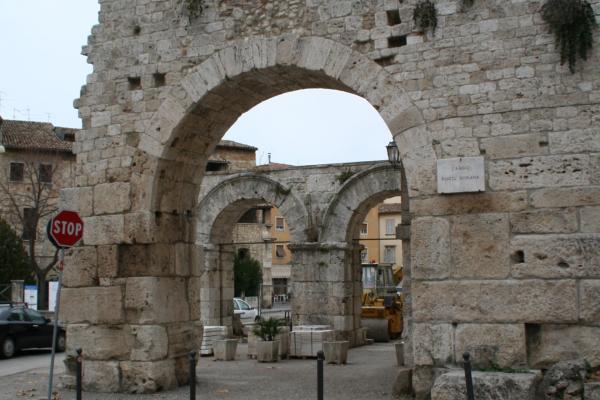
The most interesting thing about the gate is its stratification. Three distinct phases of fortification can still be distinguished. The oldest is a base of squared stone blocks that is attributed to the Picenians, from the period before Roman expansion. Above and beside it come Roman work and, finally, medieval walls and towers that carried the defences into the Middle Ages. Standing in front of it, you can see how each generation added to or reused what was there before, which is a feature of many Italian towns but rarely so visible in a single spot.
Porta Romana was also an approach road. It stands on the side of the city facing the Via Salaria, the old salt road that ran from Rome toward the Adriatic, and travellers coming from the capital would have entered here. It is one of several gates in the old walls, and it leads into the historic centre, a compact grid of lanes lined with travertine buildings that give Ascoli its pale, warm look.
The gate is a quiet place compared with the centre. Few tourists stop here, and that makes it a good spot for a pause before going on into the town. It is free to see, and there is no ticket or fixed opening time, since it is part of the street.
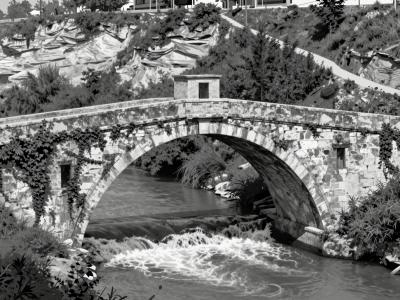
Once inside the walls, the main sights are close. Piazza del Popolo, one of the most beautiful squares in Italy, is paved in travertine and lined with porticoes and the Palazzo dei Capitani del Popolo, and the covered market and the Roman bridge are within a short walk. The city's patron saint is San Emidio, whose cult runs through many local churches, and the cathedral dedicated to him and its crypt are worth a visit. Ascoli is also known for its olive all'ascolana, stuffed fried olives, and for the Quintana, a medieval jousting festival held in summer.
Plan about twenty minutes at the gate, longer if you walk a stretch of the walls. Wear comfortable shoes, because the streets are paved with stone, and visit in the morning or late afternoon for the best light.
Categories
More photos coming soon
Nearby Attractions
Other places to visit in Ascoli Piceno
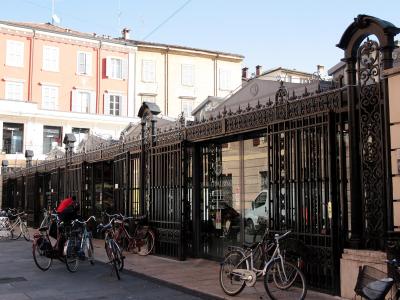
Mercato Coperto (Covered Market)
Historic covered market for local produce and artisanal g...
Free Food & Gastronomy · Urban Exploration
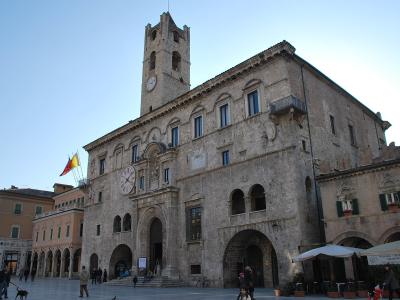
Palazzo dei Capitani del Popolo
Renaissance palace on Piazza del Popolo
Free Architectural Monuments · Cultural Tours
Ponte Romano (Roman Bridge)
Augustan-era Roman bridge spanning the Tronto River
Ancient Ruins · Historic Bridges
Questions people ask
Quick Facts
Best Time to Visit
Visit between April and June or September and October for mild temperatures and fewer crowds.