







- Admission
- Free admission
- Where
- Ascoli Piceno, Umbria and Marche
- Directions
- Directions
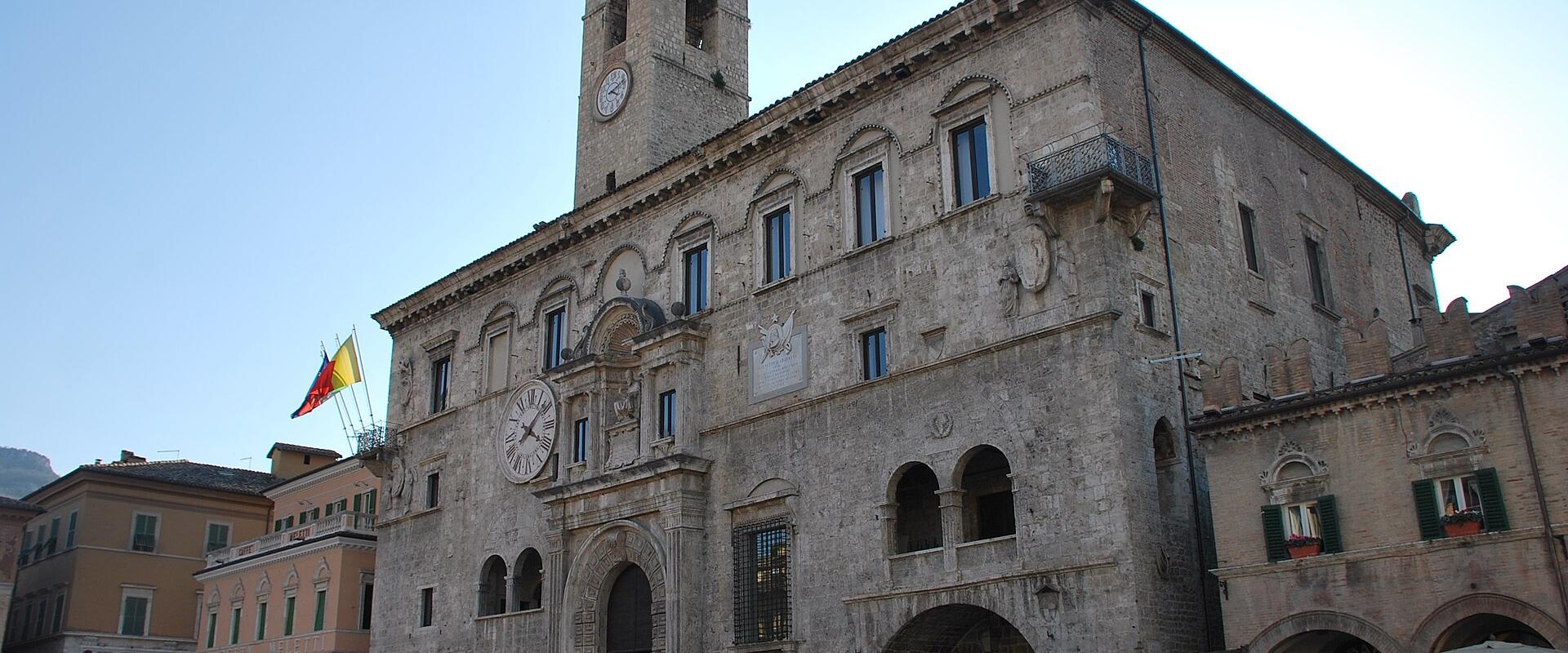
The Palazzo dei Capitani del Popolo is one of the most notable historical buildings in Ascoli Piceno, a symbol of political power that has housed the administrative, public and social life of the city through the centuries. Originally erected between the mid-13th and 14th centuries on earlier structures, it was reconstructed in the Renaissance style between 1518 and 1546. The architecture unites a medieval base from the 13th century with a Renaissance loggia added in the 16th century, creating a unique mix of styles. The Capitani del Popolo, the Captains of the People, were the magistrates who led the city’s commune, representing the citizens against the nobles, and the palace was their seat, a mark of the growing power of the city’s merchants and craftsmen in the Middle Ages.
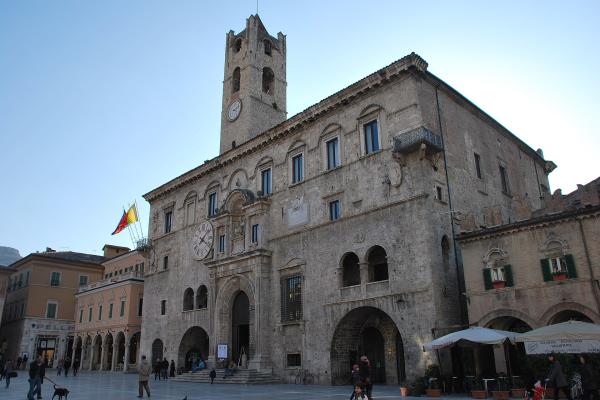
Situated on Piazza del Popolo, the city’s main square, the palace is adjacent to the historic Caffè Meletti. Piazza del Popolo, paved with travertine, the pale local stone that gives Ascoli its glow, is one of the most elegant squares in Italy, closed on one side by the church of San Francesco and surrounded by arcades, and the Palazzo dei Capitani is its great monument. It features a medieval crenellated tower and is owned by the Municipality of Ascoli Piceno. The facade is dominated by a monumental portal, above which stands a bronze statue of Pope Paul III, placed here in the 16th century in gratitude for the pope’s role in restoring the city’s liberties, and the lower part of the front shows the light-colored stone and the series of arched windows in a classical manner. The Caffè Meletti, next door, is a historic cafe in the Liberty style, famous for its anise liqueur, Anisetta, which is a local specialty.
The building houses a 1490 fresco attributed to Pietro Alemanno, located on the inner wall of the right loggia. The painting depicts Saint James of the Marches holding the Christogram and a book, likely the Bible, with an ampoule of Christ's Blood. Saint James, a Franciscan preacher of the 15th century, was a popular figure in the Marche and in Ascoli, and the fresco, which was painted in his lifetime, is a rare image of him. Historically, the palace was besieged in 1535 by the Guiderocchi, a noble Ascolan family, who tried to take control of the city by force, an episode that shows the political tension of the period, and the palace was rebuilt after the siege.
The palace has free entry and is open to the public. Visitors can walk through the loggia and the courtyard and look at the stonework and the fresco. Exploring the Palazzo dei Capitani del Popolo offers insight into Ascoli Piceno’s institutional history and architectural evolution. It is an essential stop to appreciate the region’s Renaissance heritage. The combination of medieval and Renaissance elements makes it a meaningful destination. It complements visits to other landmarks in Ascoli Piceno, such as the Basilica of San Francesco and the Roman Amphitheater, providing a view of the city’s cultural identity. A coffee at the Caffè Meletti and a plate of olive all’ascolana, the stuffed fried olives of the town, make a good end to the visit.
More photos coming soon
Admission Fees
- Admission
- Free admission
Hours and prices change, especially out of season. Check with the venue before you go.
Nearby Attractions
Other places to visit in Ascoli Piceno
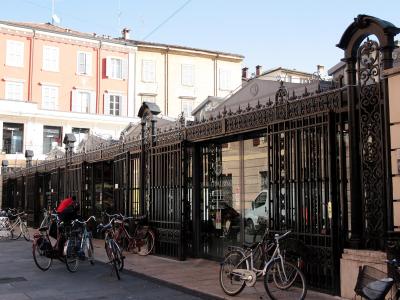
Mercato Coperto (Covered Market)
Historic covered market for local produce and artisanal g...
Free Food & Gastronomy · Urban Exploration
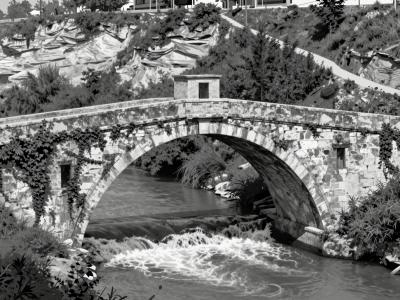
Ponte Romano (Roman Bridge)
Augustan-era Roman bridge spanning the Tronto River
Ancient Ruins · Historic Bridges
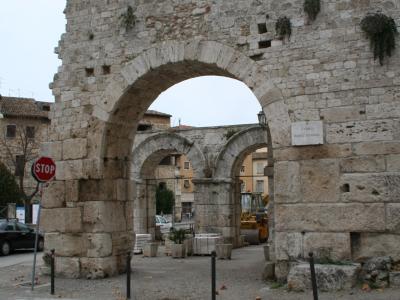
Porta Romana
Roman and medieval fortifications in Ascoli Piceno
Architectural Monuments · Historic Gates
Questions people ask
Quick Facts
Best Time to Visit
Visit between April and June or September and October for mild temperatures and fewer crowds.