







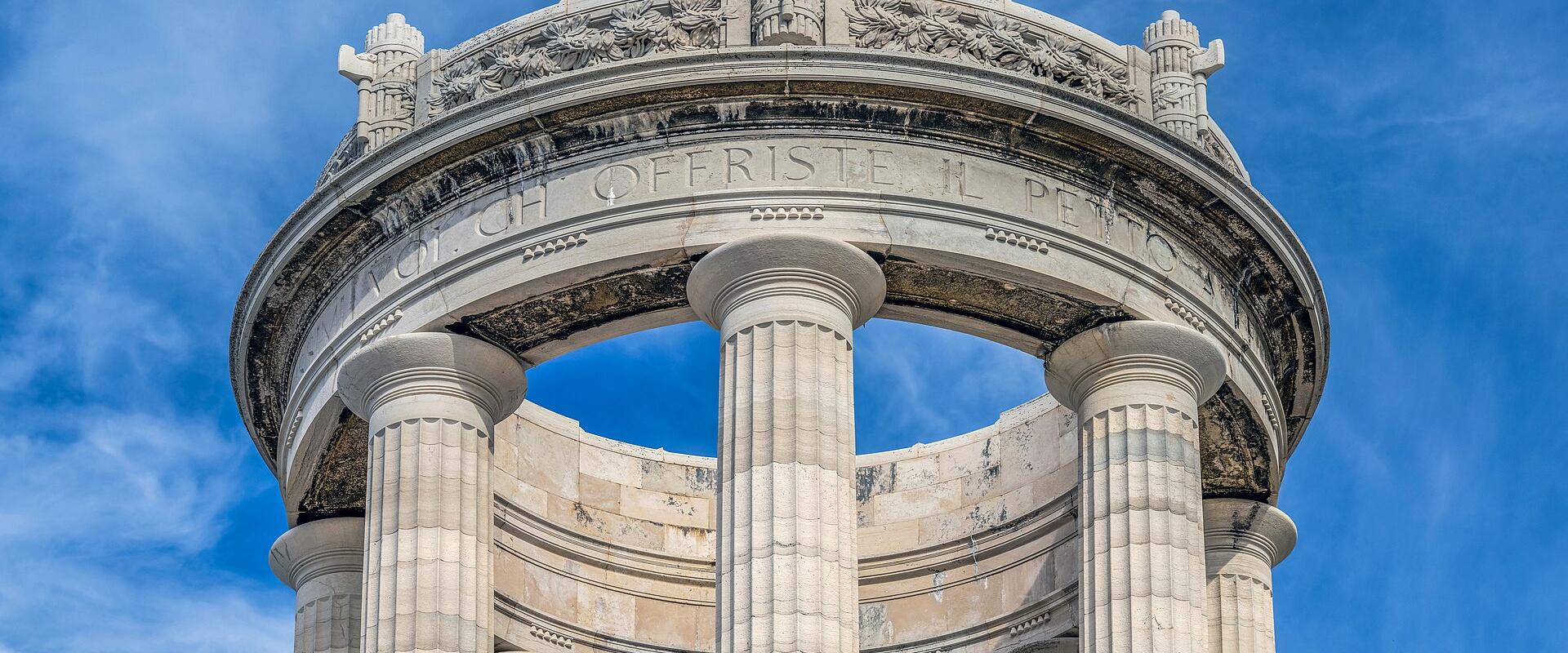
Ancona
Adriatic port city in Marche with Roman arch, castle, and Conero Riviera
Ancona’s history is deeply rooted in its Greek origins: it was founded as Ankon in the 4th century BC by Greek settlers. The name comes from the Greek word for 'elbow,' referring to its curved bay. It became a significant Roman port, serving as a gateway to the East, and the Emperor Trajan had the harbour improved. During the Middle Ages Ancona was a powerful maritime republic, often in conflict with neighbouring powers, and it kept its independence until 1532, when it came under the Papal States. It remained under papal rule until the unification of Italy in the 19th century. The city played a crucial role in the Risorgimento, particularly in 1860, when the Piedmontese took the city and a plebiscite led to its annexation to the Kingdom of Italy. Today Ancona preserves its historic centre, with Roman, medieval, and Renaissance structures that reflect its layered past as a Greek colony, Roman port, and papal city.
The main attractions are centred on the historic centre and the coastal landmarks. The Arch of Trajan, a 2nd-century Roman monument raised beside the port, is among the best-preserved triumphal arches in Italy. The Cathedral of San Ciriaco, the Duomo, is perched on Monte Guasco and offers views of the city and the Adriatic Sea, with a Romanesque and Byzantine plan. The Piazza del Plebiscito is the historic 'city lounge,' with the Palazzo degli Anziani, a medieval civic building, nearby. The Chiesa di San Francesco alle Scale has a fine Gothic portal, and the Museo Archeologico Nazionale delle Marche, in the Palazzo Ferretti, displays finds from the region's ancient past. The Teatro delle Muse is the city’s neoclassical theatre. The Cittadella, a large 16th-century fortress on the hill above the port, is among the city's defensive works. The Old Port and New Port are busy maritime hubs, with the Old Port area offering cafes and restaurants, and the pentagonal Mole Vanvitelliana, an 18th-century quarantine station on the water, is now a cultural space, and the Civic Museum, the Museo Civico, gives local history. The Conero Riviera, a stretch of coast south of the city, is known for its beaches and clear water, and the Monte Conero Regional Park offers hiking trails and natural beauty.
Activities in Ancona include exploring the historic centre, visiting museums, and enjoying the local cuisine. The city is known for traditional Marchigian dishes, including brodetto (fish stew), olive all’ascolana (stuffed olives), and wines such as Verdicchio. Visitors can take guided tours to learn about the history of the Roman and medieval periods. The area offers swimming, sailing, and hiking in the Conero Park. Ancona also hosts festivals and events through the year, including the Ancona Jazz Festival and the Feast of San Ciriaco in May. Shopping includes local ceramics, textiles, and food products. For those interested in history, guided tours explore the Roman, medieval, and Renaissance heritage of the city.
Getting to Ancona is convenient by rail and road. The city is connected by train to Rome, a journey of around three to four hours depending on the service, and by faster trains along the Adriatic coast. By car, the A14 motorway provides easy access from Bologna and Bari. The nearest airport is Ancona Falconara Airport, about 10 kilometres from the city centre. Ferries operate from Ancona to destinations in Croatia, Montenegro, and Albania, and to Greece.
The best time to visit Ancona is from April to June or September to October, when the weather is mild and pleasant, ideal for outdoor attractions and historic sites. July and August are peak tourist months, with higher temperatures and larger crowds. Winter is cool but offers a quieter experience, with the city’s museums and cafes providing cultural entertainment. Despite the seasonal variations, Ancona’s rich history and natural beauty make it a rewarding destination year-round.
Best time to visit
Visit between April and June or September and October for mild temperatures and fewer crowds.
What to see in Ancona
Our picks first.
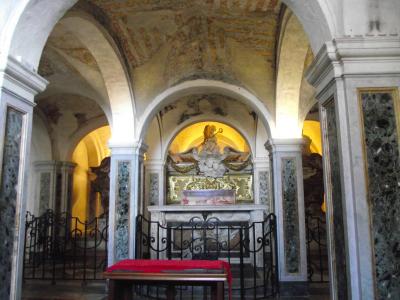
Ancona Cathedral (Duomo di San Ciriaco)
12th-century Byzantine-Gothic cathedral on Guasco Hill
Architectural Monuments · Historic Churches
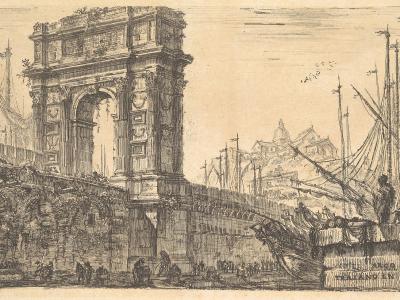
Arch of Trajan
115 AD Roman arch honoring Emperor Trajan
Ancient Ruins · Architectural Monuments
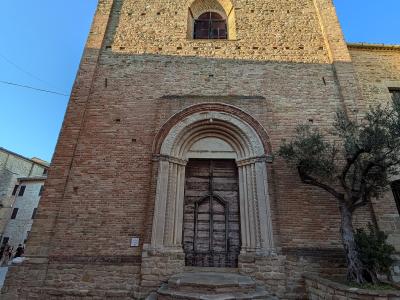
Chiesa di San Francesco
Gothic portal by Giorgio Orsini da Sebenico
Architectural Monuments · Historic Churches
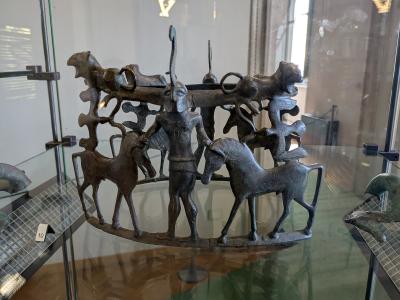
Museo Archeologico Nazionale delle Marche
World's largest Picene collection in Palazzo Ferretti
From €5 Archaeological Museums · Historic Palaces
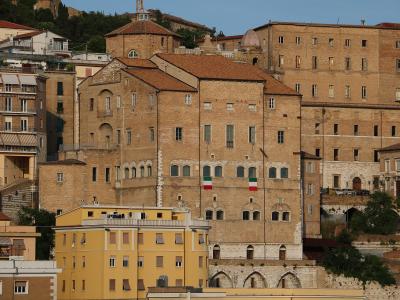
Palazzo degli Anziani
13th-century Gothic palace on Ancona's seafront
Architectural Monuments · Historic Palaces
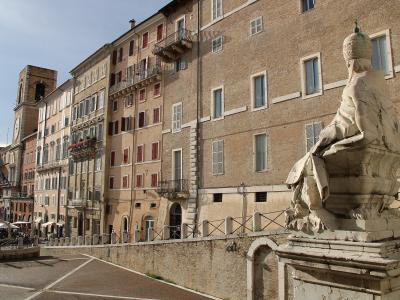
Piazza del Plebiscito
Historic civic square and social hub in Ancona
City Promenades · Historic Districts
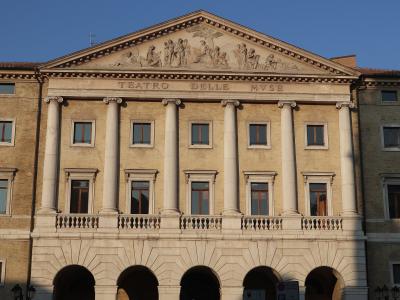
Teatro delle Muse
Neoclassical opera house in Ancona's heart
Architectural Monuments · Cultural Centers
Ancona by interest
The same sights, grouped by what you came for.
Planning a visit to Ancona
Itineraries that include Ancona
Good to know
- Currency
- EUR
- Language
- Italian
Quick Facts
Book your stay
Questions people ask
More places in Umbria and Marche
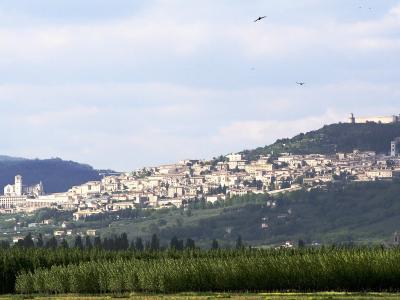
Umbria and Marche
Assisi
UNESCO hilltop town in Umbria, birthplace of St. Francis
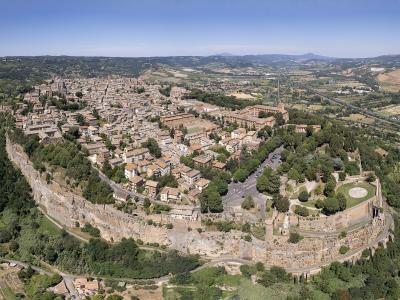
Umbria and Marche
Orvieto
Volcanic tuff hill town in Umbria with Gothic cathedral and Etruscan wells
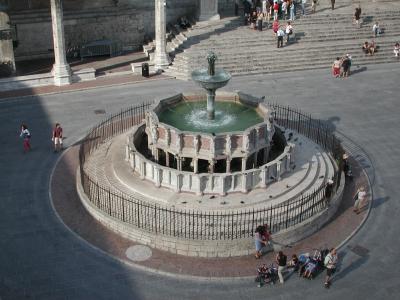
Umbria and Marche
Perugia
Umbrian hill city with Etruscan walls, chocolate heritage, and jazz festival
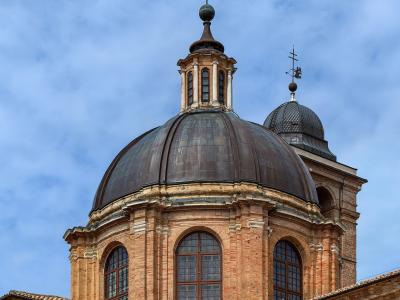
Umbria and Marche
Urbino
UNESCO-listed Renaissance gem in Marche with Ducal Palace