







- Where
- Ancona, Umbria and Marche
- Directions
- Directions
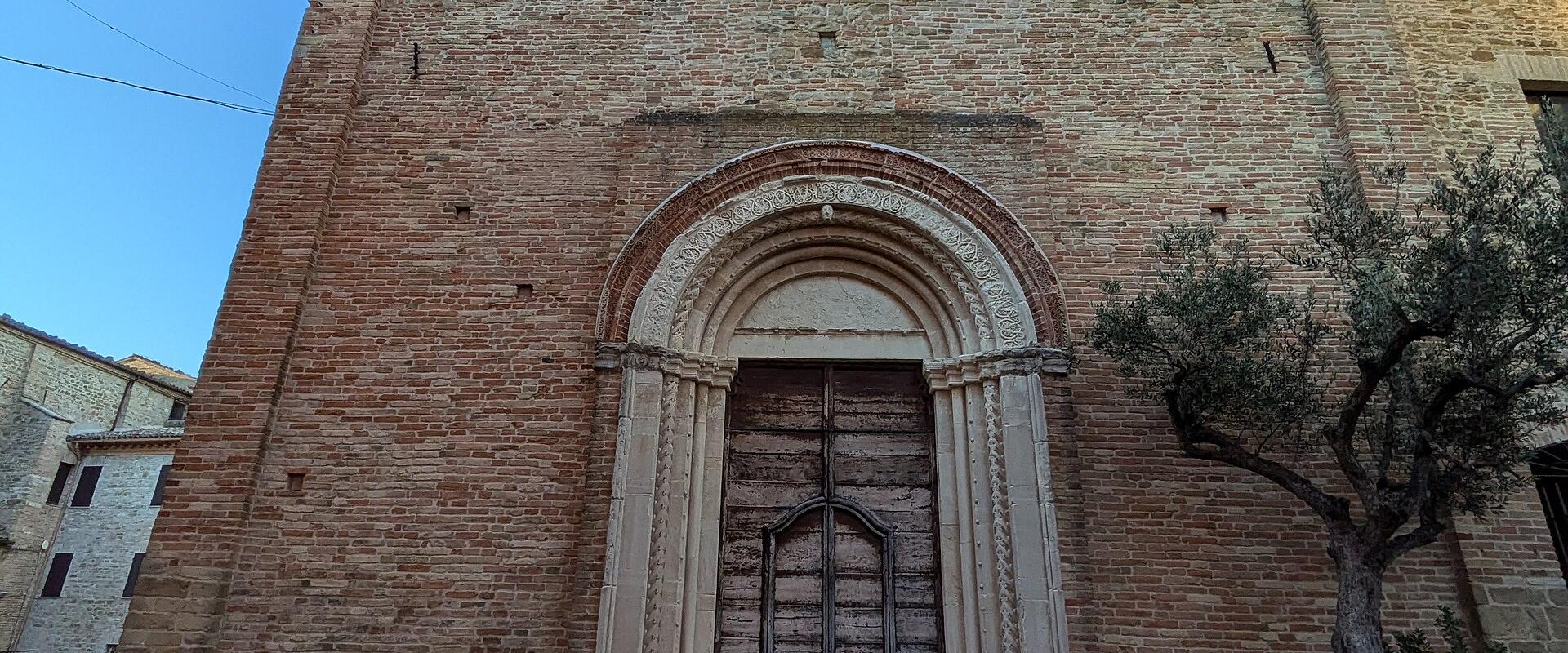
The Chiesa di San Francesco alle Scale in Ancona is a significant religious and architectural landmark located on Via Orsini, in the old town, near the port and the Piazza del Plebiscito. Founded on August 14, 1323, by the Franciscans and Bishop Nicolò degli Ungari, it was originally dedicated to Santa Maria Maggiore. The church acquired its current name, meaning at the stairs, in 1447, following the construction of a large staircase designed by Giorgio Orsini da Sebenico and built by Mastro Domenico. This staircase, featuring two ramps of 30 steps each, covered the area of the current Piazza San Francesco, giving the church a raised position above the quarter. Today the staircase is gone, but the name has remained.
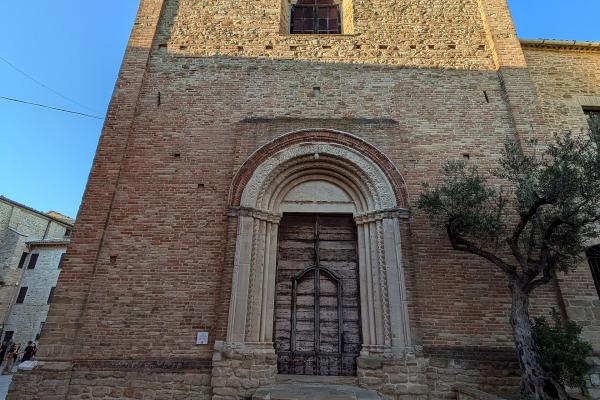
The building exhibits a unique mix of Gothic and Late Baroque styles. The exterior is dominated by the Gothic portal on the facade, created by Giorgio Orsini da Sebenico in 1454, which echoes the architectural layout of the Porta della Carta at the Doge's Palace in Venice, where the artist previously worked. Giorgio da Sebenico, also known as Juraj Dalmatinac, was a Dalmatian sculptor and architect who worked in Venice and the Adriatic cities, and his portal is one of the finest examples of Gothic art in the Marche. Unlike Venetian Gothic structures, the Gothic elements here are primarily decorative rather than structural. The design reflects a Renaissance spirit, evident in the sculptures, the architraved portal and a frieze featuring 20 sculpted portraits emerging from the stone, like faces looking from windows, which adds a touch of liveliness.
The interior was remodeled in the 18th century in the Late Baroque style, with an elegant vaulted nave decorated with stucco and gilded details, and altars along the sides. The church was damaged in the Second World War, when Ancona was heavily bombed because of its port, and it was restored afterward. In the 19th century, after the suppression of religious orders, the church and its convent were used for other purposes, among them as a military barracks, and it was only in the 20th century that it returned to religious use.
It is advisable to check local information for mass times, as access may be restricted during services. Modest dress is expected. Exploring the Chiesa di San Francesco alle Scale offers insight into Ancona’s artistic heritage. It is an essential stop to appreciate the city’s blend of Gothic and Renaissance influences. The combination of historical significance and artistic beauty makes it a meaningful destination. It complements visits to other landmarks in Ancona, such as the Arch of Trajan, the Roman arch at the port, and the Cathedral on the hill, providing a view of the region’s cultural identity. The church’s position on a slope above the harbor gives views of the roofs of the old town and the sea, and the lanes around it, steep and narrow, are a good way to see a quieter side of the city.
Categories
More photos coming soon
Nearby Attractions
Other places to visit in Ancona
Ancona Cathedral (Duomo di San Ciriaco)
12th-century Byzantine-Gothic cathedral on Guasco Hill
Architectural Monuments · Historic Churches
Arch of Trajan
115 AD Roman arch honoring Emperor Trajan
Ancient Ruins · Architectural Monuments
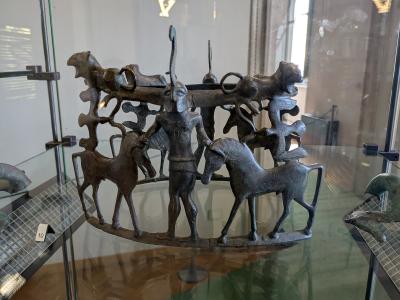
Museo Archeologico Nazionale delle Marche
World's largest Picene collection in Palazzo Ferretti
From €5 Archaeological Museums · Historic Palaces
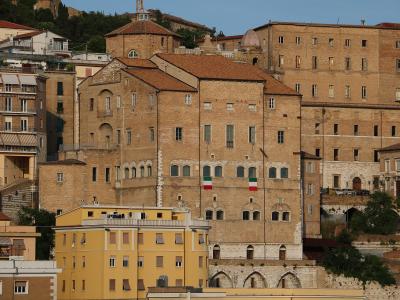
Palazzo degli Anziani
13th-century Gothic palace on Ancona's seafront
Architectural Monuments · Historic Palaces
Questions people ask
Quick Facts
Best Time to Visit
Visit between April and June or September and October for mild temperatures and fewer crowds.