







- Hours
- Check with staff at Casa Gioiosa for up-to-date opening times
- Where
- Alghero, Sardinia
- Directions
- Directions
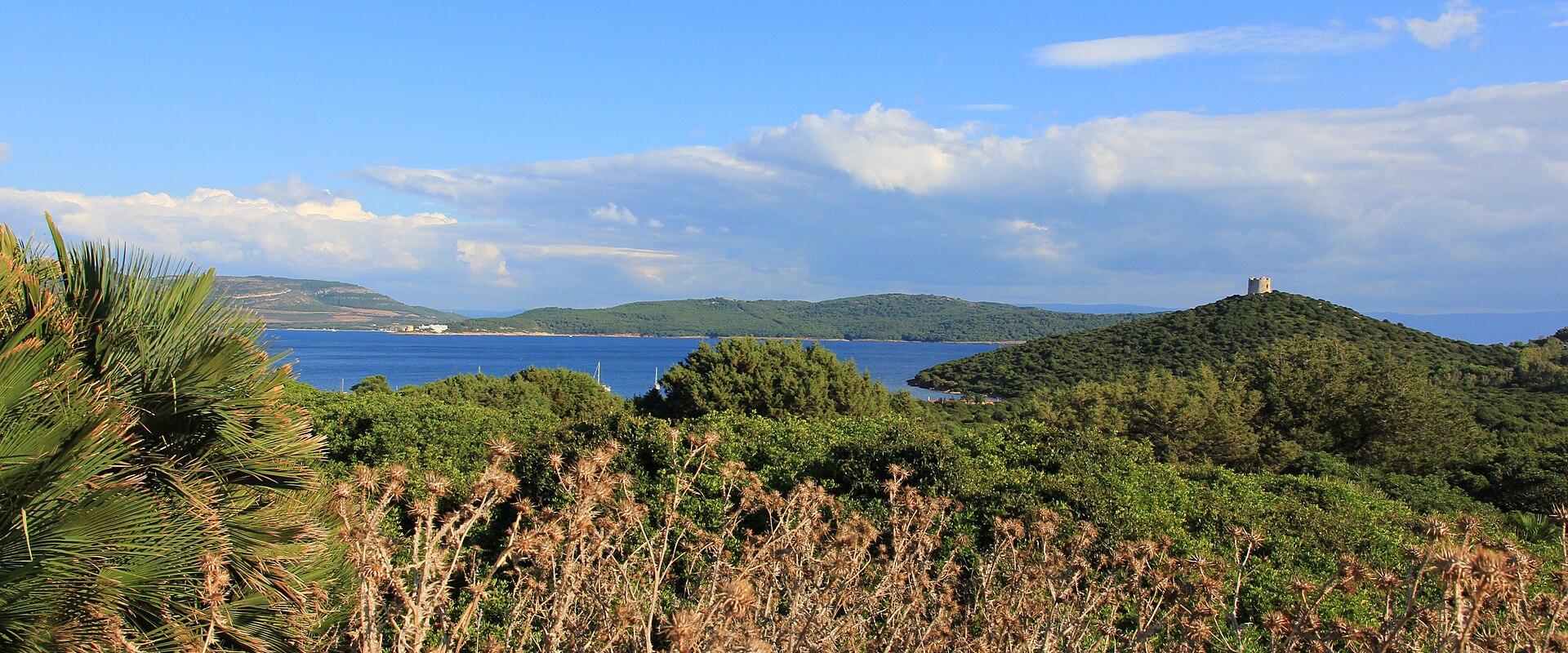
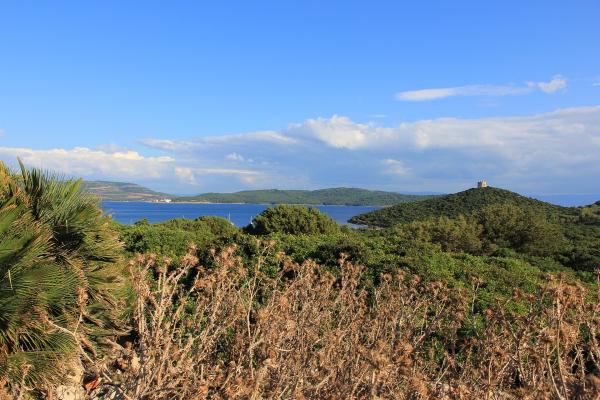
The Porto Conte Natural Park, the Parco Naturale Regionale di Porto Conte, is a protected area on the north-west coast of Sardinia, around the deep bay of Porto Conte, a short distance from Alghero, and it protects some of the wildest scenery on the island. The landscape consists of rugged limestone cliffs that plunge into the sea, hidden coves, sea caves and, behind them, a green interior of woodland, scrub and farmland, with a mixture of Mediterranean habitats that shelters rare plants and animals. It is a sanctuary for biodiversity, and the contrast between the white cliffs, the blue sea and the dark green vegetation gives the park a pristine, dramatic beauty that is quite different from the resorts and beaches of the coast.
The most famous landmark is Capo Caccia, a great promontory that rises almost vertically from the sea to a height of about one hundred and seventy metres, with a lighthouse at its top and views along the coast. Beneath the cliffs lies the Grotta di Nettuno, Neptune’s Grotto, one of the largest sea caves in Italy, which has chambers decorated with stalactites and stalagmites and a lake of salt water, and which can be reached by boat from Alghero or by walking down the Escala del Cabirol, a staircase of some six hundred and fifty steps cut into the cliff, which is a spectacular route in itself. Other caves in the cliffs can be seen on boat excursions, and the sea is a favourite place for diving. The cliffs are also nesting places for birds, among them a colony of griffon vultures, which are rare in Sardinia, as well as peregrine falcons and Corsican shags.
Inland, the park offers woods and trails for walking and cycling, and it has areas where one can see the typical Mediterranean scrub, with its aromatic herbs, and the dwarf palm, the only native palm of Europe, which grows in large patches along the coast. There are archaeological sites too, among them the Nuraghe Palmavera, a village of the Nuragic civilisation, the Bronze Age people who built stone towers across Sardinia, which gives a sense of the long human presence in the area. Animals that can be seen include wild boar and deer, in the reserve of Le Prigionette, and a variety of birds in the wetlands.
Visitors are recommended to start their visit at Casa Gioiosa, the park’s headquarters, located within the park, which provides maps, tips and up-to-date information on opening times and ticket prices for the various attractions within the reserve. The staff are available to help plan an itinerary according to your interests, and guided tours can be arranged. Other places in the area include the archaeological site of Su Crucifissu Mannu, farther away, and the beaches of Lazzaretto near Alghero. The park suits walkers, cyclists, divers, birdwatchers and anyone who enjoys wild coastal scenery, and spring and autumn are the best seasons, since summer can be hot and crowded. It is easy to combine with the old town of Alghero, with its Cathedral of St. Mary of the Immaculate, the Church of San Francesco, Piazza del Carmine, Porta Terra and the Museo Archeologico Nazionale. A car is useful for exploring the park.
More photos coming soon
Opening Hours
- Open
- Check with staff at Casa Gioiosa for up-to-date opening times
Hours and prices change, especially out of season. Check with the venue before you go.
Nearby Attractions
Other places to visit in Alghero
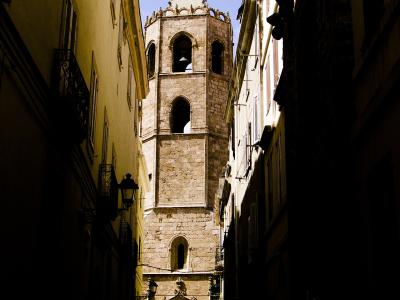
Cathedral of St. Mary of the Immaculate
Catalan-Gothic and Renaissance cathedral in Alghero
Architectural Monuments · Historic Churches
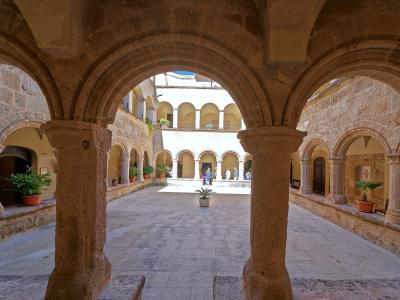
Church of San Francesco
15th-century Gothic complex with hexagonal bell tower
Architectural Monuments · Historic Churches
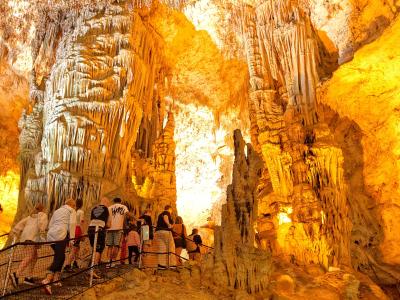
Grotta di Nettuno (Neptune's Grotto)
Sea cave with boat access and stalactites
Activities & Wellness · Coastal & Maritime
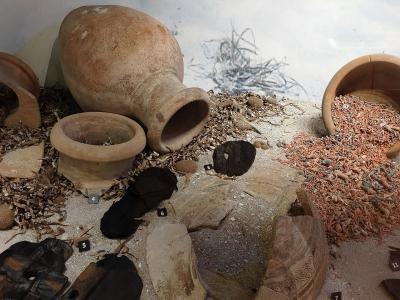
Museo Archeologico Nazionale
Neolithic to Medieval artifacts in historic building
History & Heritage · Archaeological Museums
Questions people ask
Quick Facts
Best Time to Visit
Visit between May and June or September and October for warm weather and fewer crowds.