







Museo Archeologico Nazionale
Neolithic to Medieval artifacts in historic building
- Where
- Alghero, Sardinia
- Directions
- Directions
The Museo Archeologico Nazionale in Alghero, part of the MŪSA museum system, is dedicated to preserving and communicating the town’s historical, social and cultural memory, and it is the main place in Alghero to see the archaeological record of the surrounding territory, from the Neolithic to the Middle Ages. Alghero, on the northwest coast of Sardinia, is best known for its Catalan-influenced old town and its sea walls, and a visit to the museum adds the deeper story of the people who lived on the coast long before the town was built.
The museum is housed in a historic building with a varied past. The structure has served as a warehouse for the Jesuit College church, an infantry barracks, a district prison and a boxing and fencing gym that was a social hub for post-war youth. This layered use is part of the interest, since the building itself records changes in the life of the town, and many Algherese have personal memories of it. The conversion to a museum has kept the old structure while providing modern display spaces and a quiet environment for the collections.
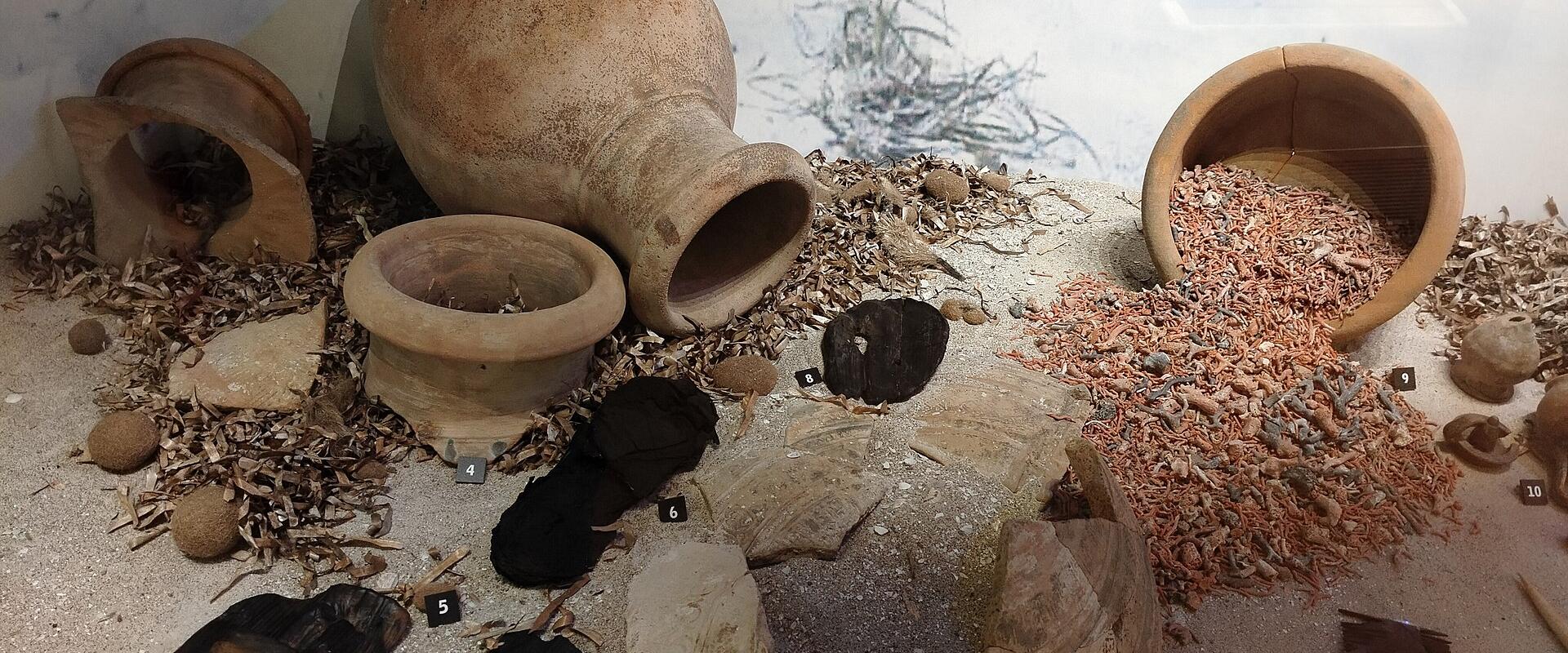
The museum houses artifacts ranging from the Neolithic period through the Middle Ages, discovered during excavations in urban and inhabited areas. Notable exhibits include stucco wall decorations from the Roman Villa of Sant’Imbenia, the Hut of the Hoards from the Nuragic Village of Sant’Imbenia, and skeletal remains from the Medieval cemetery of San Michele. Sant’Imbenia, on the shore of the bay of Porto Conte, was a Nuragic settlement where, in the early first millennium BC, local people traded with Phoenician and Greek merchants, and the finds there include a wide range of imported pottery, a sign of Sardinia’s contacts across the Mediterranean. The Nuragic civilization is known for its stone towers, the nuraghi, and its bronze work. The Roman stuccoes show the decoration of a rural villa on the same coast.
These items provide a comprehensive view of Alghero’s long history, from prehistoric settlements to medieval times. The medieval cemetery material, which includes skeletons and grave goods, gives an insight into the health, diet and customs of the town’s inhabitants in the Middle Ages. The displays are accompanied by explanatory panels, and the museum is compact enough to be seen in about an hour.
It is advisable to check the official website, museialghero.it, or local tourism resources for current schedules and ticket prices. The museum also offers digital resources, including virtual tours and a ludic-didactic educational tour, which is a playful educational route aimed at families and school groups, enhancing the visitor experience. Exploring the Museo Archeologico offers insight into the archaeological heritage of Sardinia. It is an essential stop to appreciate the region’s diverse historical layers. The combination of Neolithic, Roman and Medieval artifacts makes it a meaningful destination. It complements visits to other landmarks in Alghero, such as the historic center and the beaches, as well as the nearby Neptune’s Grotto and the Church of San Francesco, providing a view of the city’s cultural identity.
Categories
More photos coming soon
Nearby Attractions
Other places to visit in Alghero
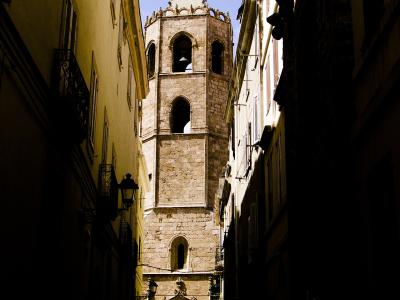
Cathedral of St. Mary of the Immaculate
Catalan-Gothic and Renaissance cathedral in Alghero
Architectural Monuments · Historic Churches
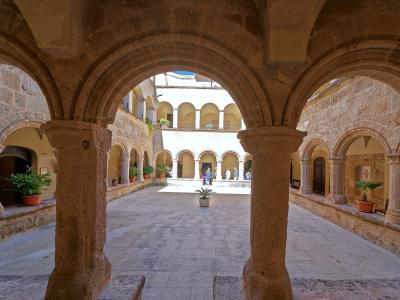
Church of San Francesco
15th-century Gothic complex with hexagonal bell tower
Architectural Monuments · Historic Churches
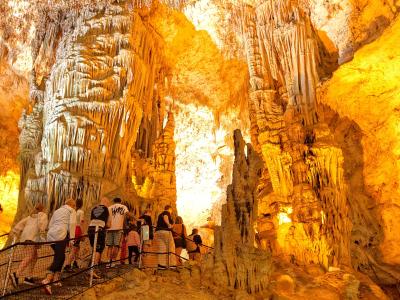
Grotta di Nettuno (Neptune's Grotto)
Sea cave with boat access and stalactites
Activities & Wellness · Coastal & Maritime
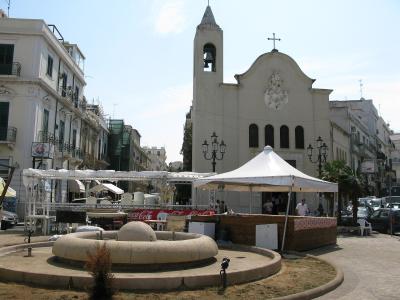
Piazza del Carmine
Historic square with Carmelite church
Historic Churches · Historic Districts
Questions people ask
Quick Facts
Best Time to Visit
Visit between May and June or September and October for warm weather and fewer crowds.