







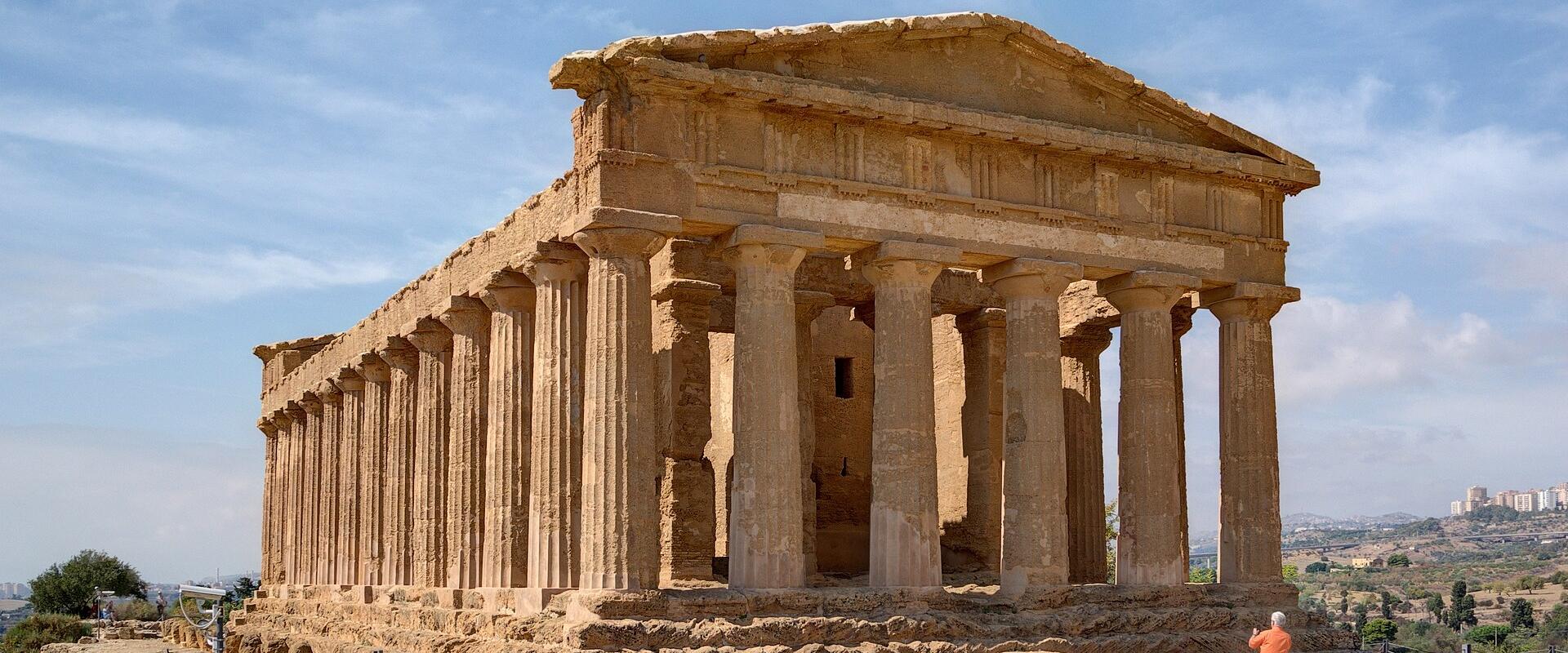
Agrigento’s history is deeply rooted in its origins as a major Greek colony. Founded around 580 BC by settlers from Rhodes and Crete, Akragas, as it was then known, quickly became one of the most prosperous and influential cities in the ancient Mediterranean. At its height in the 5th century BC it rivalled Athens and Syracuse in power and wealth, and it was the home of the philosopher Empedocles. The city’s prosperity rested on agriculture, trade, and a strong military. The construction of the magnificent temples on the ridge, dedicated to gods such as Zeus, Hera, and Concord, reflected the city’s devotion and wealth. After the fall of Greek power in Sicily, Agrigento came under Roman control, followed by Byzantine, Arab, and Norman rule. The Arab period saw the city renamed Girgenti, and it remained an important centre under Norman and Spanish domination; the modern name was adopted in 1927. The city suffered from earthquakes and invasions over the centuries but has preserved its ancient heritage, particularly the Valley of the Temples, which is a reminder of its glorious past.
The main attraction in Agrigento is the Archaeological Area of Agrigento, specifically the Valley of the Temples (Valle dei Templi). The site has some of the best-preserved examples of Greek art and architecture in the world. The Temple of Concordia, built in the 5th century BC, is one of the best-preserved Doric temples in the world, thanks to its conversion into a Christian church in the 6th century AD. The Temple of Olympian Zeus, though in ruins, shows the immense scale of ancient construction, with colossal foundations and a giant stone figure lying on the ground. Other notable temples include those of Hera Lacinia, Castor and Pollux, and Hephaestus. The Giardino della Kolymbetra, a walled garden in a valley beside the temples, is an open-air museum of ancient irrigation, citrus, and olive trees. The Archaeological Museum, the Museo Archeologico Regionale Pietro Griffo, houses artefacts found in the area, including statues, pottery, and jewellery, which gives context to the ancient city’s life and religion. The medieval centre of Agrigento, with its narrow streets and historic buildings, offers a contrast to the ancient ruins, with the Cathedral of San Gerlando, a Norman church. Porto Empedocle, a port town a few kilometres southwest of Agrigento, is the birthplace of the novelist Andrea Camilleri and the model for the fictional Vigàta of his detective stories, and the white marl cliff known as the Scala dei Turchi lies along the coast nearby.
Activities in Agrigento include exploring the archaeological site, visiting the museum, and enjoying the coastal scenery. The city is also a base for exploring the surrounding natural areas, such as the San Leone Nature Reserve, which offers walking trails and quiet beaches. The islands of Linosa and Lampedusa are reached by ferry from Porto Empedocle, but the crossing is long, and they are better treated as a separate trip than a day outing. Dining in Agrigento features traditional Sicilian cuisine, with fresh seafood, pasta dishes, and local wines. The city hosts festivals and events through the year, celebrating its cultural heritage, including a folklore festival connected with the almond blossom in February and March. Shopping includes local ceramics, olive oil, and wine. For those interested in history, guided tours explore the temples and the ancient significance of the city.
Getting to Agrigento is convenient by road and rail. The city is reached by car from Palermo and Catania via the A19 motorway and connecting roads, and the last stretch is a state road. Agrigento has a railway station with connections to Palermo and other Sicilian towns, and onward to major Italian cities. For those flying, the nearest airports are in Palermo and Catania, and each is roughly two hours away.
The best time to visit Agrigento is from April to June or September to October, when the weather is mild and pleasant, ideal for outdoor archaeological sites. July and August can be extremely hot, with temperatures often exceeding 40°C, so early morning or late afternoon visits are recommended. Winter is mild but can be rainy. Despite the seasonal variations, Agrigento’s ancient temples and coastal beauty make it a rewarding destination year-round.
Best time to visit
Visit between April and June or September and October for mild temperatures and fewer crowds.
What to see in Agrigento
Our picks first.
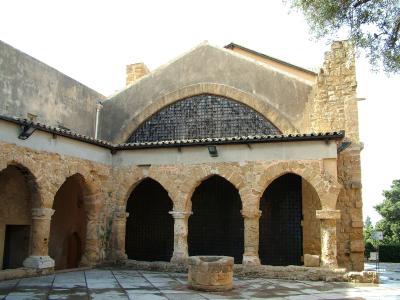
Archaeological Museum of Agrigento (Museo Archeologico Regionale Pietro Griffo)
Sicily's main museum on the Valley of the Temples edge
History & Heritage · Museums & Culture
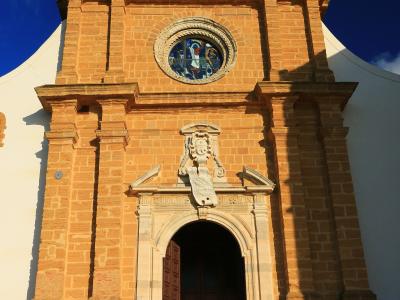
Cathedral of San Gerlando (Duomo di Agrigento)
Norman-Baroque cathedral with 85m whispering acoustics
Free Architectural Monuments · Cultural Tours
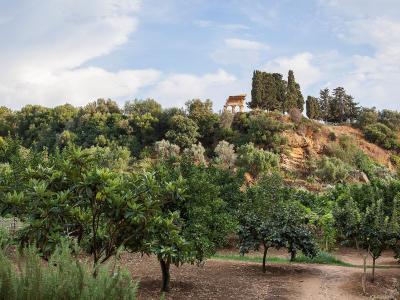
Giardino della Kolymbetra
Open-air archaeological and agricultural museum in Agrigento
History & Heritage · Museums & Culture
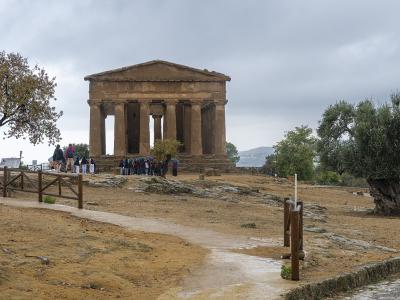
Valley of the Temples (Valle dei Templi)
Largest European archaeological park with Greek temples
Ancient Ruins · Archaeological Museums
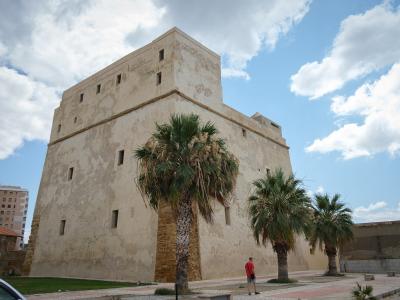
Porto Empedocle
Birthplace of Andrea Camilleri and gateway to the Pelagie...
Free Coastal & Maritime · Islands
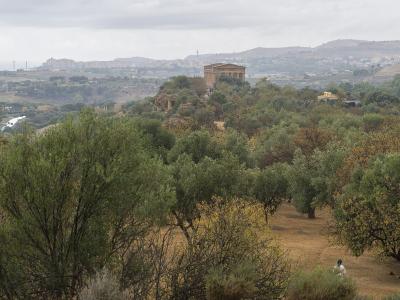
Temple of Concordia
Best-preserved Greek Doric temple in Sicily
Ancient Ruins · Architectural Monuments
Agrigento by interest
The same sights, grouped by what you came for.
Did you know?
Checked facts about Agrigento, each with its source.
-
History
Agrigento Was Founded Around 580 BC by Colonists from Gela
Agrigento began as the Greek colony of Akragas, founded around 580 BC by settlers from Gela, a nearby Sicilian city whose own founders had come from Rhodes and Crete.
Source: Smart Education UNESCO Sicilia -
Record
The Valley of the Temples Has Been UNESCO-Listed Since 1997
Agrigento's Valley of the Temples, the remains of the ancient Greek city of Akragas, has been on the UNESCO World Heritage List since 1997.
Source: Smart Education UNESCO Sicilia
Planning a visit to Agrigento
Itineraries that include Agrigento
Good to know
- Currency
- EUR
- Language
- Italian
Quick Facts
Book your stay
Questions people ask
More places in Sicily
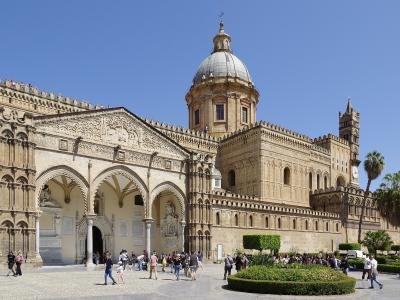
Sicily
Palermo
Sicily's vibrant capital blending Arab-Norman history with bustling markets
Sicily
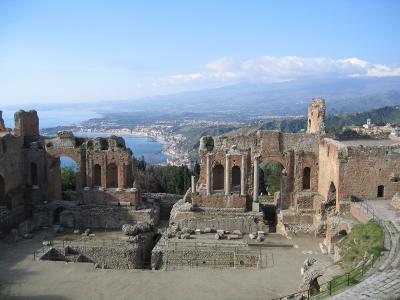
Taormina
Clifftop Sicilian town with Greek theater and Mount Etna views
Sicily
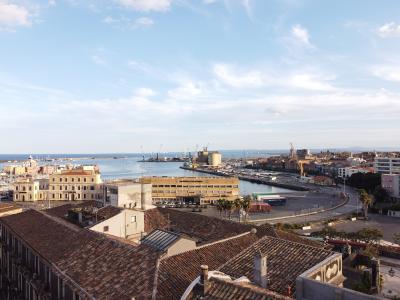
Catania
Vibrant Sicilian city beneath Mount Etna with Baroque architecture
Sicily
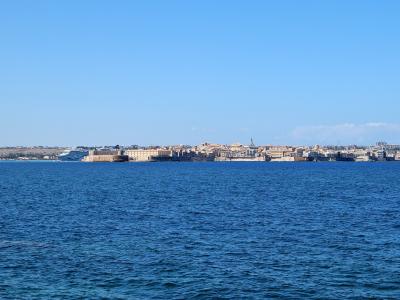
Siracusa
Ancient Greek metropolis in Sicily with Baroque Ortigia island