







Archaeological Museum of Agrigento (Museo Archeologico Regionale Pietro Griffo)
Sicily's main museum on the Valley of the Temples edge
- Where
- Agrigento, Sicily
- Directions
- Directions
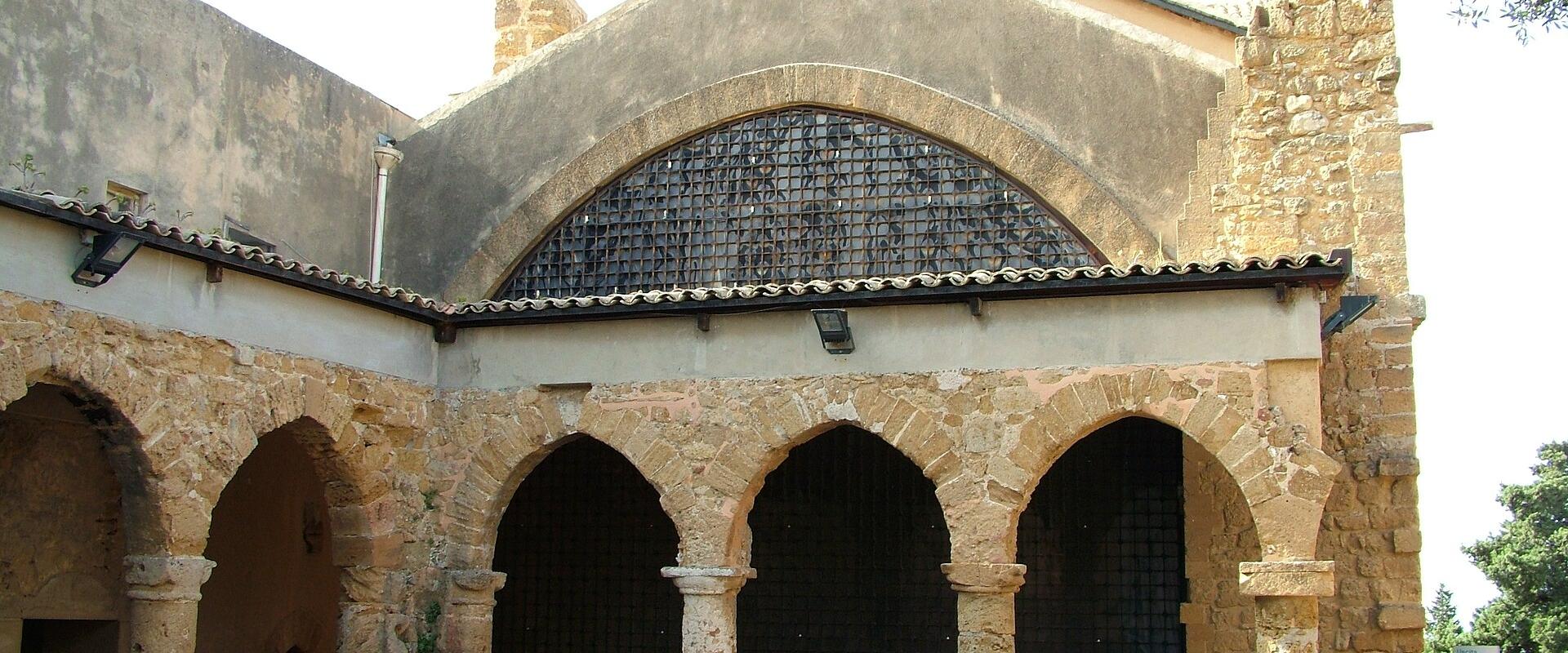
The Regional Archaeological Museum Pietro Griffo is the main museum of ancient Agrigento, and it stands on the edge of the Valley of the Temples, where it provides the context for the monuments outside. The museum is named after Pietro Griffo, the archaeologist who directed the excavations in the area in the 20th century and did much to uncover and protect the ancient city. The building is a modern one, set among the fields and olive groves of the hillside, close to the medieval church of San Nicola and to the UNESCO World Heritage valley, and to the excavated quarter of the Hellenistic and Roman city, which can be visited next door. It is one of the most important archaeological museums in Sicily.
The city of Akragas was founded around 580 BC by Greek colonists from Gela, and within a century it had become one of the richest cities of the Greek world, famous for its horses, its wine and its splendid temples. Its population is said to have been very large, and its citizens were known for their love of luxury. The temples on the ridge, among them the well-preserved Temple of Concordia, are the best-known remains, and the museum shows what the city looked like in daily life. The collection ranges from the prehistoric period to the Roman era, and it includes pottery, sculpture, architectural fragments, coins, inscriptions and tools.
The most striking exhibit is a Telamon, one of the Giants, the giant stone figures that stood between the columns of the Temple of Olympian Zeus, the largest Doric temple ever built in the Greek world. These giants, which were over seven metres tall, probably helped to support the entablature, and the figure has been reassembled in the museum so that visitors can see its size. Models and fragments help to explain the scale of the temple, which was never completed and was later ruined by earthquakes and quarrying. Another famed piece is the Ephebe of Agrigento, a marble statue of a young man from the 5th century BC, in the severe style. A rich collection of painted Greek vases from the city’s cemeteries shows scenes from myth and daily life.
Visitors normally combine the museum with a visit to the Valley of the Temples, and it is best to see it first, to understand the monuments, or afterwards, to fill in the details. A visit takes about an hour or two. Opening hours and tickets are set by the regional authority and sometimes combined with those of the archaeological park, so check before going. The Giardino della Kolymbetra, the Cathedral of San Gerlando in the upper town and the port of Porto Empedocle round out a day in Agrigento. The museum suits anyone interested in the Greek world and in Sicily’s ancient past.
Categories
More photos coming soon
Nearby Attractions
Other places to visit in Agrigento
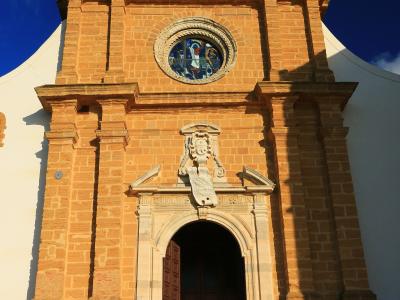
Cathedral of San Gerlando (Duomo di Agrigento)
Norman-Baroque cathedral with 85m whispering acoustics
Free Architectural Monuments · Cultural Tours
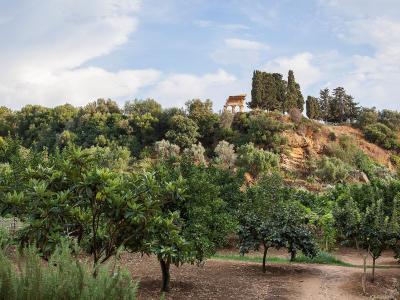
Giardino della Kolymbetra
Open-air archaeological and agricultural museum in Agrigento
History & Heritage · Museums & Culture
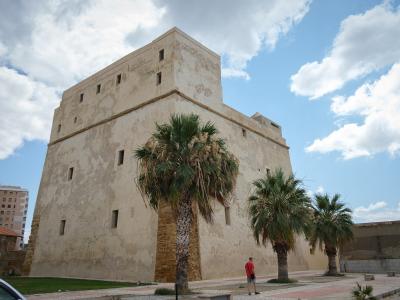
Porto Empedocle
Birthplace of Andrea Camilleri and gateway to the Pelagie...
Free Coastal & Maritime · Islands
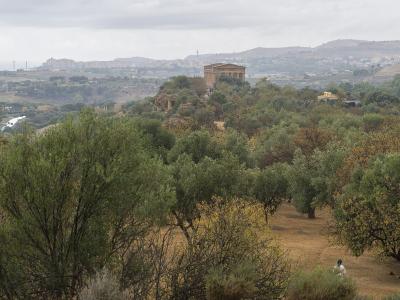
Temple of Concordia
Best-preserved Greek Doric temple in Sicily
Ancient Ruins · Architectural Monuments
Questions people ask
Quick Facts
Best Time to Visit
Visit between April and June or September and October for mild temperatures and fewer crowds.