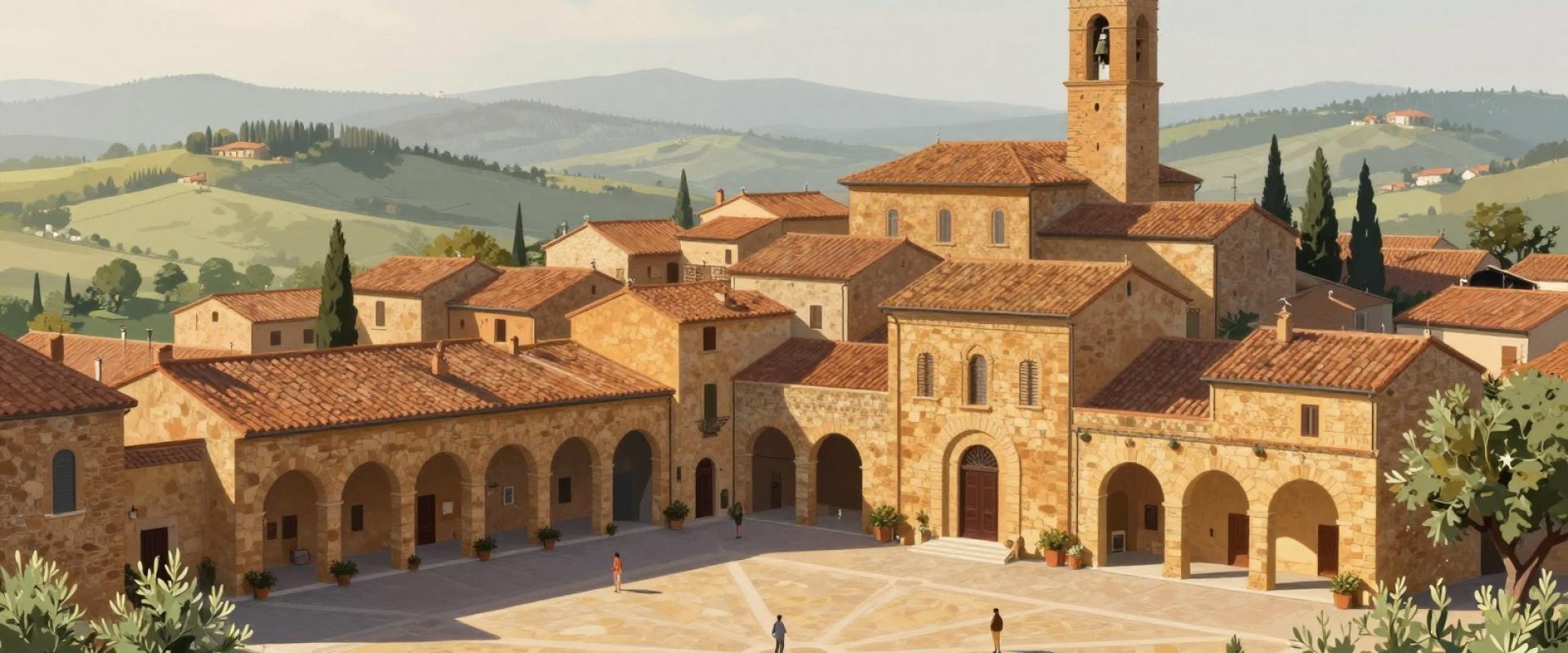
Escape the Florentine Fog
Florence during peak season feels less like a historic treasure and more like a bottlenecked traffic jam. Navigating past selfie sticks and rolling suitcases turns a simple stroll into an exhausting endurance test. I’d rather trade that chaotic energy for the unhurried rhythm of a smaller Tuscan village.
Imagine wandering through Volterra or Pienza, where the only noise is the wind rustling through cypress trees. You can sit at a café table for hours, watching locals debate football scores, without feeling rushed or scrutinized. The air here smells of baking bread and damp earth, not sunscreen and exhaust fumes.
Ditch the three-hour line for the Uffizi or the Duomo. Instead, step into a local artisan’s workshop or a family-run trattoria where the menu changes with the weather. Real Italy isn’t found in the shadow of monuments; it lives in these quiet, sun-drenched corners where time moves at its own pace.
The Tuscan Five: Quiet Havens
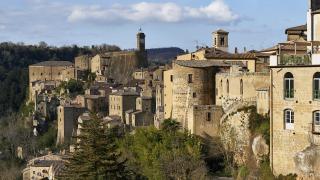
Volterra perches high above the Val d’Elsa, its ancient Etruscan walls holding centuries of silence. Here, you can escape the Arno’s throng. The air feels thinner, sharper. History isn’t packaged; it’s tangible stone under your fingertips.
Lucca offers a different rhythm. Ten kilometers of flat, shaded paths wind along its complete stone ramparts. Locals pedal past Renaissance palazzi without hurry. The shade is dense. The pace is yours to set.
Montalcino slows time. Sangiovese grapes ripen in the sun, filling the air with a sweet, heavy scent. This aroma mirrors the town’s unhurried life. Fermentation takes time. So does living well.
San Gimignano sheds its daytime noise after 4 PM. Tour buses depart. Medieval towers stand tall against a violet sky. The evening air grows cool. The silence is sudden, yet welcome.
Montepulciano reveals itself underground. Wine cellars and tunnels carve through tufa rock. You escape the summer heat here. Robust Rosso di Montepulciano tastes better in the cool dark. These towns offer a breath of fresh air. The frantic energy of Florence fades behind you.
Logistics Without the Stress
Tuscany’s allure demands a shift in perspective, particularly when it comes to movement. Ditching the rental car is not just a suggestion; it is a necessity. Historic centers like Siena or Lucca operate with ZTL (Limited Traffic Zones) that penalize unauthorized vehicles with steep fines and immediate towing. Instead, leverage the regional rail network. Trains link major hubs like Florence to smaller gateways such as Chianciano Terme with reliable frequency, allowing you to bypass the anxiety of navigating narrow, cobblestone streets.
Accommodation choices further define your experience. Opt for an agriturismo, a working farm estate, rather than a standard hotel. These properties often provide shuttle services to nearby villages, bridging the gap between rural tranquility and local amenities. Booking well in advance is critical, especially for July and August, when rooms vanish within hours. Staying in a converted farmhouse near the Chianti hills offers more than just a bed; it provides a base for morning truffle hunting or evening wine tastings, all without the bustle of tourist-heavy piazzas.
This strategy yields tangible benefits beyond reduced stress. You save significantly on fuel and parking fees while avoiding the frustration of traffic jams. Trains run frequently between towns like Montepulciano and Montalcino, making day trips effortless and spontaneous. By embracing this slower, more mindful approach, you immerse yourself in the local rhythm, discovering the region’s true character rather than just its postcard views.
Live Like a Local
The Italian proverb Chi mangia bene, vive meglio translates to “who eats well, lives better,” a principle that shapes the rhythm of daily life here. Instead of navigating the heavy foot traffic around major landmarks, you might find more joy wandering through smaller borghi where the hours drift by with gentle indifference. Imagine spending an afternoon in a family-run cantina, navigating a blind wine tasting that challenges your palate, or rolling your own pasta dough under the watchful eye of a local nonna. These interactions strip away the performance of tourism, replacing it with genuine connection.
Strike up conversations with the vendors at the morning market; ask them about the origin of the seasonal produce or their weekend traditions. Such dialogues reveal layers of the region’s culture that no printed guidebook can capture. Take a moment to simply inhale the scent of roasted coffee and damp earth as the day settles in. I look forward to sharing another obscure corner of this country with you soon—ciao for now.