
Shivering in Style: Why Winter Is Rome’s Best-Kept Secret
When the August heat breaks and the summer throngs retreat, Rome reveals a different face—one defined by clarity, silence, and a distinct, crisp atmosphere. Walking through Palazzo Altemps on a gray January morning feels less like sightseeing and more like stepping into a private viewing. The absence of shoulder-checking tourists allows you to study the intricate musculature of the Torso Barberini without distraction. The biting cold outside makes the warm, hushed halls of these lesser-known galleries feel exponentially more inviting, creating a cocoon of history that summer crowds simply cannot penetrate.
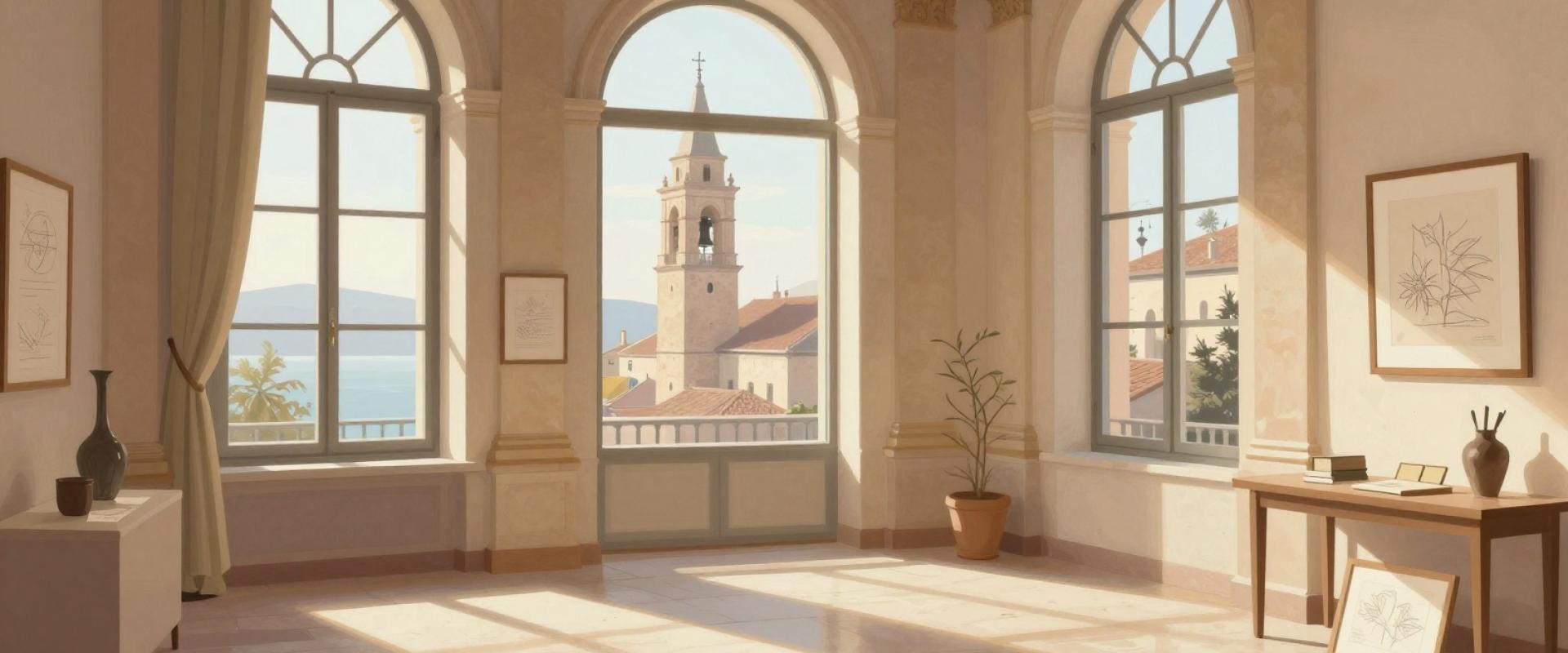
This solitude offers a depth of connection with the art that is impossible to find when the city is at its most congested. There is a specific quality of light in winter, low and angled, that filters through high windows and catches the dust motes dancing around ancient marble. Rather than rushing through major sites with a checklist mentality, take the time to absorb the stillness. The rhythm of the city slows down, allowing you to hear the echo of your own footsteps and truly appreciate the weight of history embedded in every stone.
Palazzo Whispers: Skipping the Line at Barberini and Borghese
Winter in Rome transforms the logistical reality of visiting its top museums. The Galleria Borghese, home to Bernini’s Apollo and Daphne and Caravaggio’s Boy with a Basket of Fruit, enforces a strict cap on daily visitors to preserve the integrity of the space. This restriction, while necessary, requires planning; booking tickets online several weeks in advance is not just recommended, it is essential. The small reservation fee—roughly 10 euros—is a negligible price to pay for skipping the hours-long queues that form in the shade of Villa Borghese’s trees.
Once inside, the experience is one of focused intimacy. You are not jostling for a better angle; you are standing alone in a room with masterpieces. From there, you can pivot to the Palazzo Barberini, where the dramatic chiaroscuro of Caravaggio’s Judith Beheading Holofernes demands your full attention. The contrast between the cold air of the Roman winter and the warm, protected environment of these palazzos heightens the sensory experience. Notice the subtle texture in Titian’s oil paintings, the way the paint seems to breathe. It is a deliberate pace, a quiet conversation with history rather than a shouting match with the crowd.
Rome’s architectural soul is best appreciated when the noise of the tour buses fades. In winter, the city invites you to look closer, to trace the lines of perspective and the play of light on stone. At Palazzo Spada, the famous perspective gallery by Borromini creates an optical illusion of infinite depth, making a short corridor feel like a vast hall. It feels less like a public museum and more like a carefully staged theatrical set, designed to humble the viewer.
For a modern counterpoint, the MAXXI Museum offers a stark, minimalist silence. Its sweeping concrete curves and stark white galleries provide a quiet refuge from the baroque excesses of the historic center. Meanwhile, in the winding streets of Trastevere, smaller galleries and ateliers display works that prioritize personal narrative over spectacle. Here, local artists engage with contemporary issues, creating a dialogue that feels immediate and urgent. This shift in pace allows you to hear the distinct echo of your own steps on cobblestones, a sound often drowned out by the cacophony of peak season. It is a reminder that Rome’s true pulse beats loudest in these quiet corners.
Caffè Culture: Warming Up After the Art Fix
After hours of wandering through cool palazzos, the ritual of the bar becomes essential. Avoid the tourist traps near major attractions and seek out the neighborhood barre where Romans start their day. The goal here is not just caffeine, but a moment of pause. Visit a traditional cioccolateria for a cup of thick, dark hot chocolate, rich enough to coat the spoon. Pair it with a fresh cornetto—the Roman equivalent of a croissant, often filled with cream or chocolate.
As you sip, let the warmth spread through your hands. This is not merely a break; it is a reconnection with the daily rhythm of the city. The aroma of roasted beans mingles with the scent of damp stone and old paper. It is a sensory reset, allowing you to settle the mind after hours of intense visual stimulation. Watch the locals move with purpose, grabbing their espresso in seconds before heading to work. This simple act of buying a coffee and standing by the counter is a fundamental part of Roman life, a small, warm anchor in the crisp winter day.
Your Next Cultural Escape: Join Me for More!
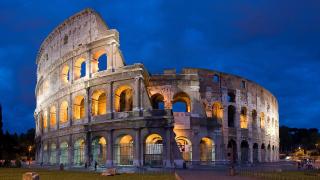
Winter softens the edges of the Eternal City, turning it into a space for slow, personal discovery. Without the pressure of Vatican queues or the crush of the Colosseum, you can wander into contemporary galleries in quiet neighborhoods for just a few euros. The unhurried rhythm allows you to truly absorb the art, to let the details sink in rather than skimming the surface. This is the Rome I love—the one that reveals itself only to those willing to slow down and listen.
Next time, I will share another lesser-known corner of Italy, a place where the history is just as deep but the crowds are even thinner. Until then, keep your scarf tight and your eyes open. Ciao for now.