







- Where
- Volterra, Tuscany
- Directions
- Directions
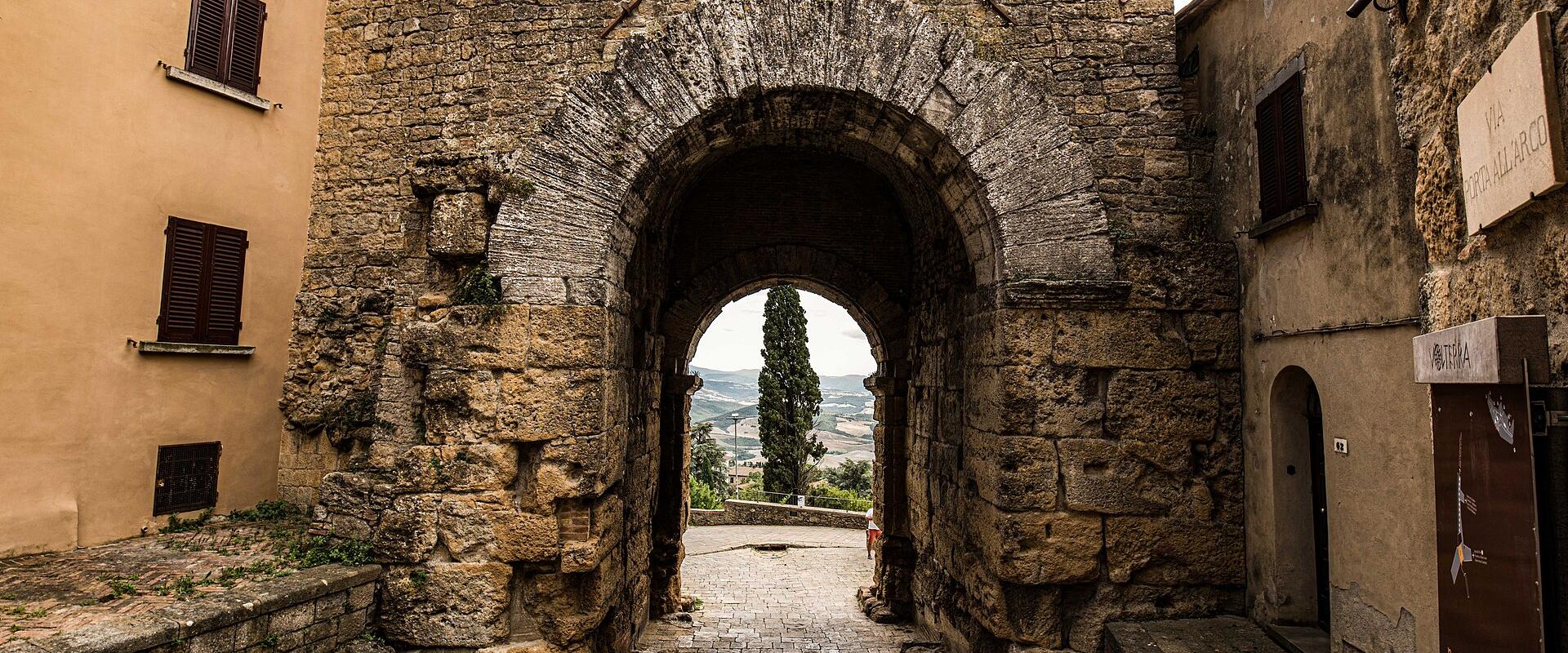
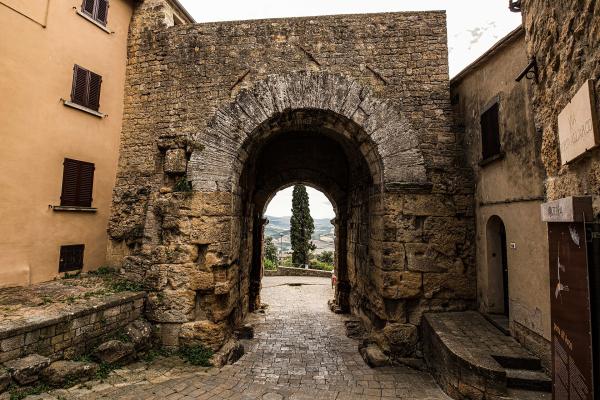
Porta all'Arco is an imposing ancient Etruscan gate in Volterra, in Tuscany, Italy, and it is one of the best preserved Etruscan structures in the country. It was originally part of the city's defensive walls, which surrounded the hilltop town of Velathri, as the Etruscans called it, and it stood at the entrance to the upper city. It was built in the fourth and third centuries BCE, in the hill town that the Duomo now crowns, and the gate is a symbol of Volterra’s Etruscan heritage, a reminder that this town was one of the twelve great cities of the Etruscan league.
The structure is architecturally unique because of its use of three distinct stone colours. Yellow sandstone forms the supporting structure, while the arch is made of grey stone, and darker hues are used for the three mysterious heads adorning the facade. The arch is a true arch of carefully cut wedge-shaped blocks, which the Etruscans used long before the Romans adopted the form, and its span passes over a deep passage through the thick walls. A road still passes through it, and it leads from the lower town up toward the central square.
The heads are the gate's most fascinating feature, sparking various legends regarding their identity. They are carved in stone and set in a row on the outer face of the arch, but centuries of weathering have worn them almost smooth, so that nothing is clear. Theories range from depictions of Roman deities, such as Jupiter, Juno and Minerva, or of Greek heroes, such as Castor and Pollux, to lions or other protective symbols. In popular culture, some visitors link them to the vampires of the Twilight saga, since a film in that series was set in Volterra. The truth is that nobody knows, and the heads add to the mystery of the place.
The gate has a rich history that includes conflict. A siege is depicted on a funerary urn of the first century BCE in the Etruscan museum, which shows a gate that looks like this one, with heads above the arch and defenders on the walls, and it suggests that the gate was attacked by Roman troops when the city fell under the control of Rome. In the Second World War, retreating German troops blew up part of the structure in 1944, but the arch survived and was restored. It has survived for more than two thousand years, and it is a major tourist attraction.
As an open-air monument, the gate has no opening hours or admission fees, and visitors can see it at any time. As a Tuscan monument it stands at the bottom of the main street, Via Porta all'Arco, which climbs through the old town, lined with alabaster shops. Visitors should look at it from outside the walls, to see the whole structure, and then walk through it. Exploring it takes only a few minutes, but it makes a good start to a walk to the Piazza dei Priori. Volterra’s Etruscan museum, the Museo Guarnacci, and the Roman theatre are close.
Categories
More photos coming soon
Nearby Attractions
Other places to visit in Volterra
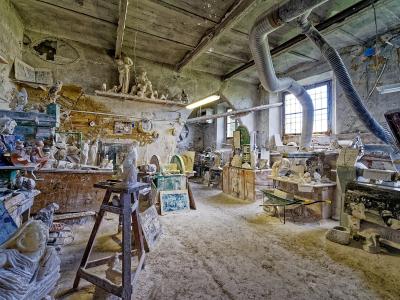
Alabaster Workshops
Ecomuseum preserving Volterra's ancient alabaster craft
History & Heritage · Museums & Culture
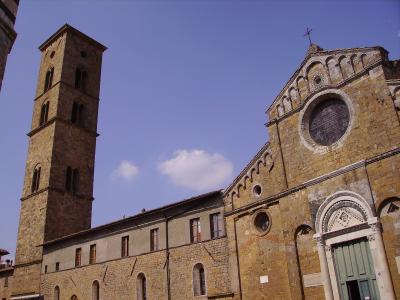
Duomo di Volterra (Cathedral of Santa Maria Assunta)
12th-century Romanesque cathedral with Tuscan marble bands
Architectural Monuments · Historic Churches
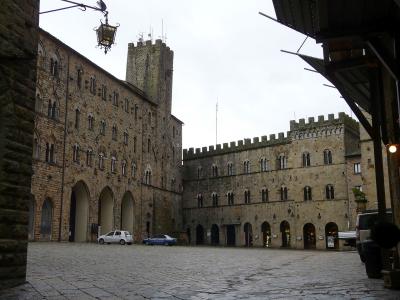
Piazza dei Priori
Volterra's main square with Italy's oldest town hall
Historic Districts · Historic Palaces
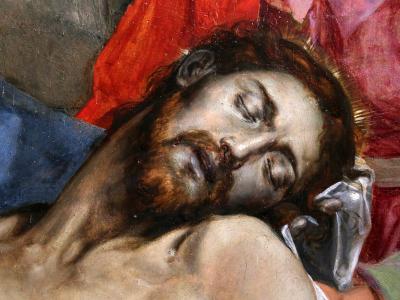
Pinacoteca Civica
Renaissance art in Palazzo Minucci-Solaini
History & Heritage · Museums & Culture
Questions people ask
Quick Facts
Best Time to Visit
Visit between April and June or September and October for mild temperatures and fewer crowds.