







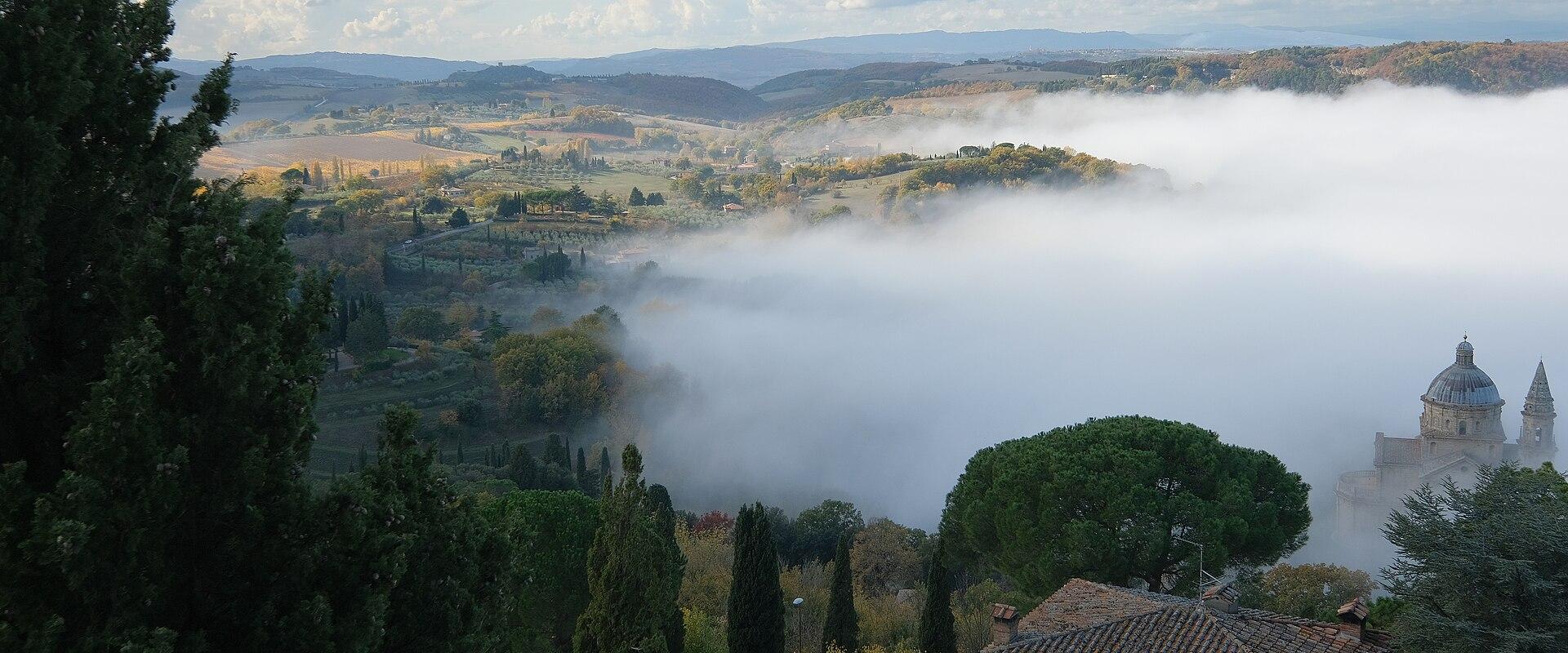
Montepulciano’s history goes back to Etruscan times, with significant development in the Roman period. In the Middle Ages the town came under the influence of Siena and later Florence. The 15th and 16th centuries were a golden age, characterized by the construction of Renaissance palaces and churches. The hilltop position gave natural defences, and its walls and fortifications, including the Fortezza, reflect this military importance. Montepulciano has preserved its historic centre, which records its Renaissance heritage. The town is also famous for wine, with Vino Nobile di Montepulciano gaining DOCG status in 1980, confirming its reputation as a world-class wine region.
The main attractions are centred on the historic centre and the wine culture. Piazza Grande, the main square and civic nucleus, is surrounded by elegant buildings such as the Palazzo Comunale, which has a tower with panoramic views and a council chamber, the Sala del Consiglio, and by the Palazzo Nobili-Tarugi, known as Palazzo Tarugi, with its fine loggia. The Duomo, dedicated to Santa Maria Assunta, stands on the same square, and the Chiesa di Sant'Agostino has a facade attributed to Michelozzo. Below the town, the Basilica of San Biagio is a masterpiece of Renaissance architecture, with a harmonious facade and interior in travertine, set apart in the fields. The Fortezza, a medieval fortress, offers more views and historical insight.
The town’s narrow streets lead to numerous wine cellars, above and below ground, where visitors can taste Vino Nobile di Montepulciano. The underground cellars, carved into the tuff rock, provide a cool environment for aging wine and a distinct visiting experience. Vineyard Tours and Wine Tasting are available at many estates in the surrounding hills, and several allow visitors to walk among the vines. The town also hosts the Bravio delle Botti, a historic barrel race held in late summer, in which teams from the town’s districts push heavy barrels uphill.
Activities in Montepulciano include wine tasting, exploring the historic sites, and enjoying the surrounding countryside. The town is a hub for wine tours, with many wineries offering tastings and cellar visits. Visitors can also explore the nearby towns of Pienza and Montalcino, known for their own wines and historic centres. The surrounding Val di Chiana and Val d'Orcia offer scenic drives, hiking trails, and cycling routes. Dining features traditional Tuscan cuisine, including pici pasta, wild boar ragù, and local cheeses. Shopping includes local ceramics, textiles, and wine products. For those interested in history, guided tours explain the town’s Renaissance heritage and wine-making traditions.
Getting to Montepulciano is easiest by road. The town is reached by car from Florence, about 124 kilometres away, via the A1 motorway and SS2. There is no railway station in the town; the nearest stations are in Chiusi-Chianciano Terme and Siena, with bus connections to Montepulciano. For those flying, the nearest airports are in Florence and Pisa.
The best time to visit Montepulciano is from April to June or September to October, when the weather is mild and pleasant, ideal for outdoor attractions and wine cellars. July and August are peak tourist months, with higher temperatures and larger crowds. Winter is cold but offers a quieter experience. Despite the seasonal variations, Montepulciano’s rich history and wine culture make it a rewarding destination year-round.
Best time to visit
Visit between April and June or September and October for mild temperatures and fewer crowds.
What to see in Montepulciano
Our picks first.
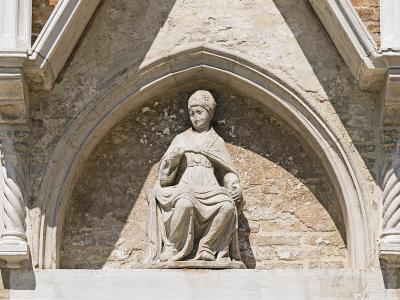
Chiesa di San Agostino
16th-century church housing the Madonna del Vino
Architectural Monuments · Historic Churches
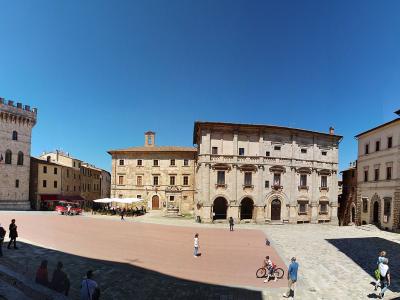
Piazza Grande
Renaissance civic square with Palazzo Comunale
Architectural Monuments · Historic Towns
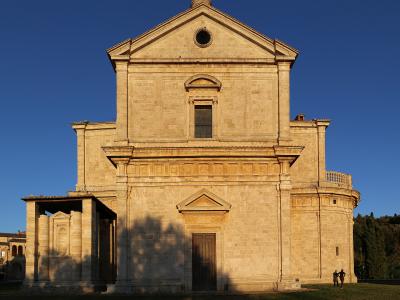
Duomo di San Biagio
Tuscan Renaissance temple of travertine
Free Architectural Monuments · Historic Churches
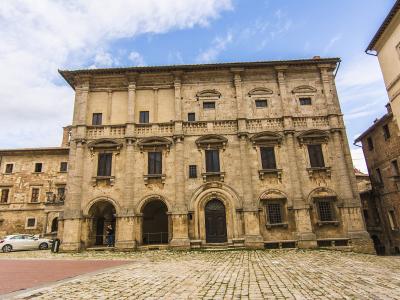
Palazzo Tarugi
16th-century Mannerist palace facing Montepulciano's Duomo
Architectural Monuments · Historic Palaces
Montepulciano by interest
The same sights, grouped by what you came for.
Planning a visit to Montepulciano
Itineraries that include Montepulciano
Good to know
- Currency
- EUR
- Language
- Italian
Quick Facts
Book your stay
Questions people ask
More places in Tuscany
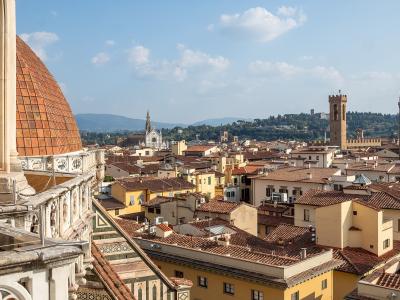
Tuscany
Florence
Birthplace of the Renaissance with iconic art and architecture
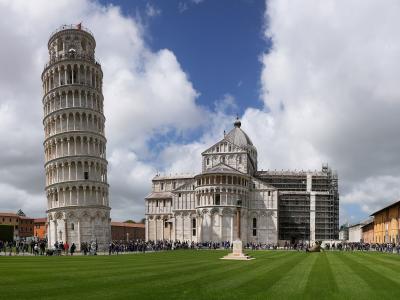
Tuscany
Pisa
Tuscan city famous for the Leaning Tower and medieval architecture
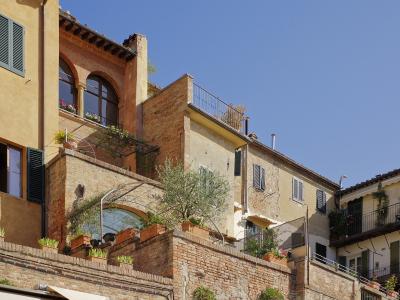
Tuscany
Siena
UNESCO-listed medieval city in Tuscany known for the Palio horse race
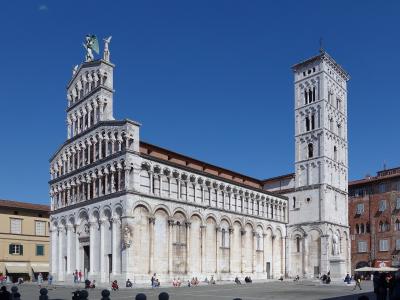
Tuscany
Lucca
Walled Tuscan city with intact ramparts, medieval towers, and relaxed vibe