
Whispers of the Seraph: Entering the Basilica
Your pilgrimage to Assisi truly begins at the Basilica of San Francesco, a structure where history doesn’t just sit in the archives; it breathes through the porous ancient stone. To navigate this sacred space with grace, secure your tickets online before you arrive. The queues at the entrance can be daunting, and time spent waiting is time stolen from contemplation. Once inside, remember that respect is the primary currency here. Dress modestly—shoulders and knees must be covered—to honor the sanctity of the space. For the most profound experience, arrive at dawn. The early light filters through the high windows, illuminating the frescoes in a way that feels almost tangible, long before the tour groups arrive to fill the air with chatter.
To fully grasp the spiritual weight of the site, you must explore both the Upper and Lower Churches, as they offer distinct, complementary narratives. The Upper Church dazzles with Giotto’s masterful frescoes, a vibrant tapestry of color and movement that depicts the life of St. Francis with dramatic intensity. In contrast, the Lower Church is a subterranean sanctuary, cloaked in shadow and intimacy, offering a cavernous silence that feels heavier, more grounded. This duality provides a complete picture of the saint’s journey from worldly ambition to spiritual poverty. By visiting during those first quiet hours, you avoid the midday rush and allow the architecture itself to speak to you.
Leave your city shoes at home. The medieval streets of Assisi are paved with uneven cobblestones that have been worn smooth by centuries of feet, demanding sturdy footwear and a deliberate pace. As you climb toward the Rocca Maggiore, the effort is immediately repaid. From this vantage point, the surrounding Umbrian valley unfolds in a sweeping panorama of green hills and distant peaks, a reminder of the natural beauty that framed St. Francis’s life.
Wander back down through the winding alleys, where every turn reveals a fragment of history. The Basilica of Santa Chiara stands as a quiet testament to the saint’s female followers. Its interior offers a serene counterpoint to the bustling market squares below, inviting you to pause and reflect on the enduring power of faith. This UNESCO World Heritage site is not merely a collection of buildings; it is a living archive of St. Francis’s legacy. Plan your route with care, ensuring you leave ample time to absorb the atmosphere rather than just checking boxes. The journey through these stones is as important as the destination.
Sanctuary of Silence: The Monastic Retreats
Nestled into the rugged, forested slopes of Mount Subasio, the Eremo delle Carceri offers a retreat carved directly from the rock. Here, the air is thin, and the atmosphere is heavy with a contemplative stillness that demands strict adherence to silence. Visitors are expected to maintain a respectful quiet, allowing the weight of history to settle over the ancient pathways. For the most immersive experience, arrive at dawn. When the mist still clings to the pine trees and the only company you keep are the few early pilgrims, the hermitage reveals its true character. This timing bathes the stone structures in a soft, ethereal light that feels otherworldly.
From the solitude of the hermitage, shift your focus to the Convent of San Damiano. While the broader Assisi heritage holds UNESCO status, San Damiano stands apart for its intimate, spiritual resonance. It is here that the famous painted crucifix hangs, the wooden icon that reportedly spoke to the saint, urging him to rebuild the Church. The space remains profoundly quiet, inviting visitors to reflect on the origins of the order’s humility. Walking through these halls feels less like tourism and more like stepping into a living prayer, a moment where the boundary between past and present dissolves.
Flavors of the Franciscan Table
After days of walking and reflecting, nourishment becomes a spiritual act. Savor pasta alla chitarra tossed with rich, earthy black truffles, a dish that defines regional pride and the bounty of the Umbrian soil. Nearby, the savory scent of porchetta—slow-roasted pork seasoned with herbs—drifts from stalls near the Basilica, inviting passersby to pause and indulge. Local enotecas offer excellent Sagrantino di Assisi, a robust red wine that pairs perfectly with the hearty, rustic meals.
Dine in the lower town to experience genuine Umbrian hospitality, where the pace slows and conversation flows as freely as the wine. This culinary path naturally complements the spiritual journey through Assisi's historic streets, grounding the ethereal experiences of the churches in the tangible pleasures of the earth. Food here is not just sustenance; it is a celebration of the simplicity and generosity that St. Francis championed.
Your Path Forward: Integrating the Experience
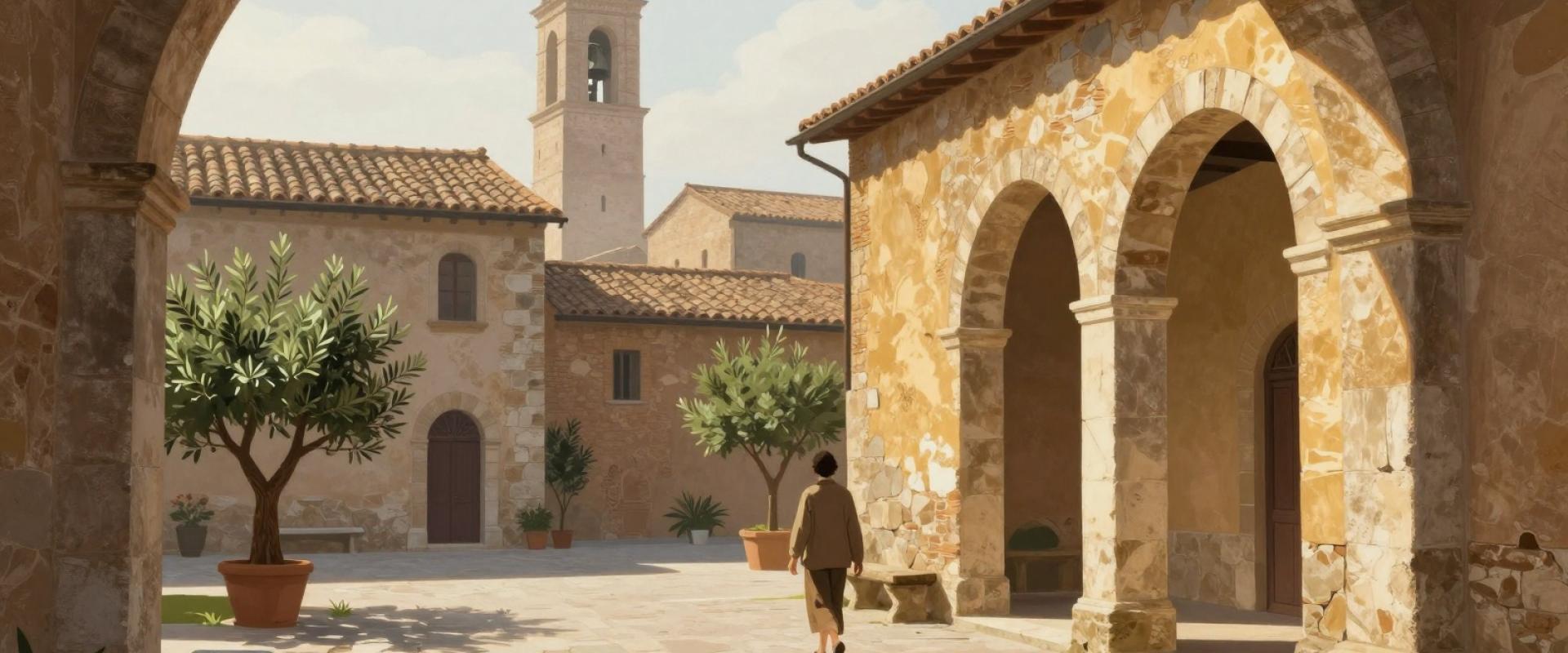
The silence in Assisi isn’t empty; it breathes. Walking through the medieval streets feels less like tourism and more like stepping into a living monastery. You notice how the stone walls hold the weight of eight centuries. Simple humility becomes tangible here, visible in the worn steps and the quiet corners.
Mark your calendar for 2026. That year marks the 800th anniversary of St. Francis’s birth. The city will celebrate with renewed energy and deeper reverence, making it the ideal moment to witness this history firsthand. The atmosphere will be electric yet sacred, offering a unique perspective on the saint’s enduring influence.
Grab the free planning checklist. It helps you navigate the logistics without stress, ensuring you don’t miss the subtle details that make the trip memorable. Start mapping out your itinerary now. Early arrivals help you avoid the midday rush, preserving those crucial quiet moments for reflection. You want to experience the stillness of the basilicas, not the crowded squares.
Keep a journal nearby. Write down the small details: the way light hits the basilica at noon, the sound of bells echoing off the stone, the texture of the ancient walls. These fragments become your personal souvenirs. Reflection turns a trip into a transformation.
Remember, San Damiano is part of the larger UNESCO site, not a standalone entry. Focus on the broader context of Franciscan heritage. This accuracy grounds your experience in real history. Your journey becomes more meaningful when rooted in truth, allowing you to leave Assisi not just with photos, but with a deeper understanding of the human spirit.