Italy has a reputation for being expensive, and in Venice in August or central Rome at Easter it can be. But with some planning it is possible to travel well on a modest daily budget. This guide covers where the money goes and how to spend less on beds, food, transport and sights without missing what you came for.
What a Day Costs
Costs vary more by place and season than by anything else. Venice, Florence, Rome, Milan, the Amalfi Coast and the Cinque Terre are the most expensive places to sleep. Southern regions such as Puglia, Calabria, Basilicata and much of Sicily, as well as inland towns everywhere, are noticeably cheaper.
As a rough guide, a traveller sleeping in hostel dorms, eating one simple sit-down meal a day and using regional trains can often manage on around 70 to 100 euros a day outside peak season. A private room in a guesthouse, two restaurant meals and a museum or two pushes that to roughly 120 to 180 euros or more. Prices have risen in recent years, so treat these figures as an approximate starting point and check current rates for your dates.
Where to Sleep for Less
Timing is the biggest saving. Rooms in April to May and late September to October are usually cheaper than in July and August, and the weather is better for sightseeing. November to March, outside Christmas, is cheaper again.
Hostels exist in all major cities and many smaller towns, and most offer private rooms as well as dorms. Family-run B&Bs and affittacamere (rooms to rent) are often good value away from the main sights. Staying a short train ride outside an expensive centre also helps: Mestre or Padua instead of Venice, La Spezia instead of the Cinque Terre villages, or Bologna as a base for day trips.
Almost every Italian city charges a tourist tax, the imposta di soggiorno, per person per night. The rate is set locally and is usually higher in the big cities, and it is often paid in cash at the property, so factor it in.
Eating Well on a Budget
Food is where Italy rewards the budget traveller. Have breakfast like the locals, with a coffee and a pastry standing at the bar: drinking at the counter (al banco) costs less than sitting at a table, where table service is charged at a higher rate.
At lunchtime, look for pizza al taglio (pizza by the slice, sold by weight), a panino from a bakery or alimentari, or a fixed-price lunch menu in a local trattoria. Markets are good for fruit, cheese and bread for picnics. In the evening, Milan and Turin are known for aperitivo, when a drink comes with snacks or a small buffet.
Read the menu before sitting down. Many restaurants add a coperto, a per-person cover charge, which is legal if it is shown on the menu. Restaurants near major landmarks tend to charge more for less, so walking a few streets away usually pays off. Tap water is safe across Italy, and many cities have free public drinking fountains, so carry a refillable bottle.
Getting Around Cheaply
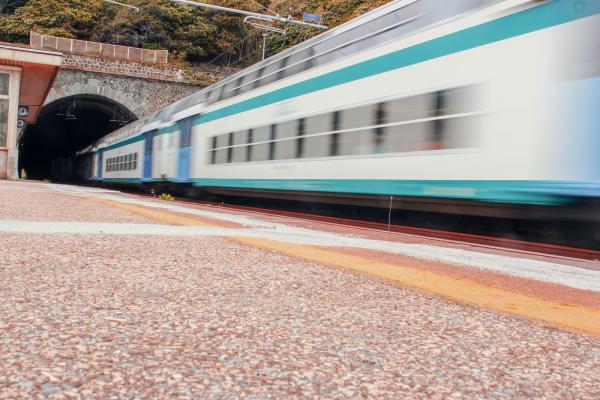
Trains are the backbone of budget travel in Italy. Regional trains (Regionale and Regionale Veloce) are inexpensive and their fares are fixed, so there is no saving from booking early; buy when convenient. Paper regional tickets must be validated in the machines before boarding.
High-speed trains, Trenitalia's Frecciarossa and Italo, use dynamic pricing: tickets bought weeks ahead can cost a fraction of the price on the day. Both sell cheaper advance fares that cannot be changed or refunded. Long-distance buses such as FlixBus and Itabus are often cheaper still and connect places the railways serve poorly, especially in the south.
In cities, walk as much as possible: the historic centres of Florence, Bologna, Siena and Verona are compact. Where you need public transport, a day or multi-day pass is usually cheaper than single tickets if you make several trips.
Sights and Museums for Less
Many of Italy's best experiences are free: churches, piazzas, markets, city walls and viewpoints. Most churches are free to enter, although some major cathedrals charge for visits to their museums, domes or terraces.
On the first Sunday of each month, state museums and archaeological sites take part in the Domenica al Museo scheme and offer free entry. It is popular, and some sites require advance booking, so expect crowds. Young visitors are also eligible for free or reduced tickets at many state sites, so carry ID. City passes such as the Roma Pass can save money if you plan to visit several paid sites and use public transport in a short time; work out whether your plans justify the price before buying.
Common Budget Mistakes
The most expensive mistakes are avoidable. Buying high-speed train tickets on the day of travel can cost several times the advance price. Eating at restaurants with picture menus and touts outside, especially near major landmarks, usually means paying more. Taxis from airports are costly; most major airports have airport buses or trains into the centre. Finally, book popular sights such as the Colosseum, the Uffizi and the Last Supper in advance on the official websites rather than through resellers, which add fees.