Whispers of the Volcanic Soul
Ischia’s heat is not merely a statistic on a weather app; it is a living, breathing presence that permeates the air and the stone. In Casamicciola Terme, the ground itself seems to exhale. Here, you can submerge in waters heated to a scorching 60°C, a practice locals have embraced since the 1500s when the island first emerged as a sanctuary for the wealthy seeking relief from European winters. The mineral-rich mud packs offer more than physical relief; they provide a tangible, earthy connection to the island’s ancient fury. This geological power dictates the rhythm of daily life here, from the morning mist that clings to the hillsides to the evening cool that settles over the bay.
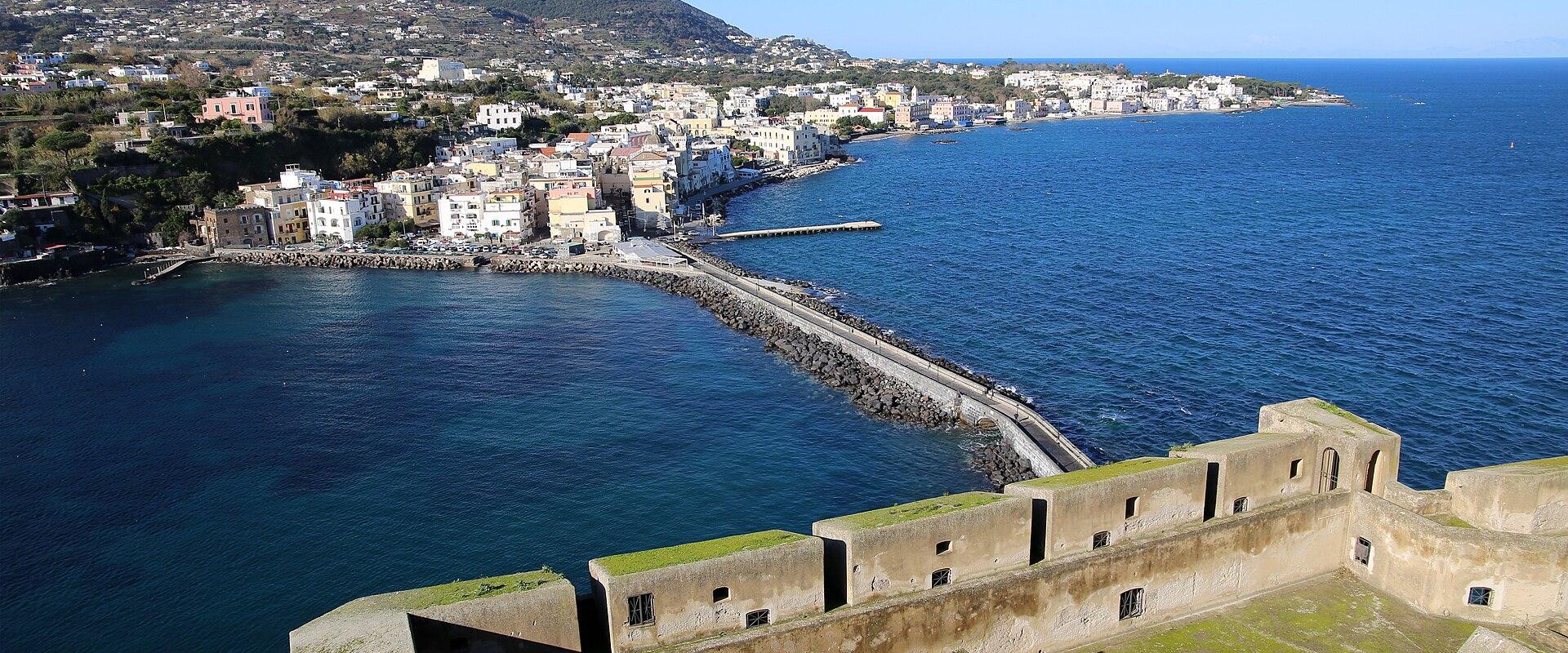
Imagine the steam rising from the earth, a visceral reminder of Ischia’s fiery core. You can feel this ancient power in Casamicciola Terme, where radioactive thermal waters reach 60°C. These springs have drawn visitors since the 16th century, offering mud packs that soothe the soul and heal the body. The island’s volcanic history is not just geological; it is woven into the daily rhythm of life here. Walk the 200-meter causeway to the Castello Aragonese, a fortress standing sentinel on a rocky islet. The sunset here paints the Gulf of Naples in hues of amber and violet. This is not merely a view; it is a dialogue between land and sea. You stand at the edge of history, feeling the pulse of the Mediterranean. Until our next cultural encounter, keep the art alive in your heart.
Bathed in Earth’s Ancient Heat
Beneath the cobblestones of Casamicciola Terme, the ground still radiates the heat of its volcanic origins. This town pioneered thermal tourism back in the 1500s, drawing visitors with waters that reach a scorching 60°C. Locals now channel these mineral-heavy springs into therapeutic mud treatments, offering relief that goes beyond simple relaxation. It is a ritual of renewal, where the body surrenders to the earth’s warmth.
At Negombo and Castiglione, the experience shifts from clinical treatment to leisurely immersion. Soaking in these ancient pools allows travelers to unwind while historical figures once sought similar respite. The steam carries a distinct sulfur scent, grounding you in the landscape’s geological reality. Meanwhile, the Aragonese Castle watches over the bay from its isolated rocky perch. Crossing the narrow causeway feels like entering a different era, where stone walls whisper tales of sieges and royal decrees. Watching the light shift from violet to gold as it hits the medieval ramparts creates a visual harmony that feels earned rather than staged.
The contrast between the steaming water and the cooling evening air leaves a lasting physical impression. You walk away with a sense of calm that lingers long after the bathwater drains. This is not just a visit; it is a reset for both body and mind. Let this renewal fuel your next journey into culture and creativity.
Shadows of the Aragonese Crown
Perched on a jagged islet just off Ischia’s western shore, the fortress commands the sea. A narrow, two-hundred-meter causeway connects this stone sentinel to the mainland, inviting visitors to step back into a time when control of the bay meant control of the island. The structure itself is a study in resilience, its ancient walls having withstood sieges, earthquakes, and the slow creep of centuries.
From the ramparts, the view shifts from defensive strategy to breathtaking beauty. As the sun begins its descent, the harsh limestone softens, bathed in a warm, amber glow that seems to emanate from within the rock itself. It is a fleeting moment of alchemy, where geology and light conspire to create something almost tangible. This vantage point does more than frame the horizon; it anchors you in the island’s volatile history, reminding you that this beauty rests atop active volcanic forces.
Just a short distance away, the thermal springs of Casamicciola Terme offer a different kind of warmth. These waters, heated to 60°C by subterranean fires, have drawn bathers seeking healing since the 16th century. The mineral-rich steam rises from the earth, a visible testament to the same geological power that shaped the castle above. Standing between the cold sea and the hot springs, you feel the island’s dual nature—a place of stark contrasts where fire and water coexist. The air feels charged, heavy with salt and sulfur, grounding you in the present while whispering stories of the past.
Feasts of the Sea and Soil
The volcanic soil of Ischia does more than just warm the ground; it infuses the local harvest with a distinct, mineral-rich intensity. This geothermal vitality yields tomatoes and capers of such exceptional quality that they define the island’s culinary identity. In Forio, you can find trattorias where chefs transform these ingredients into fresh scoglio pasta, a dish that tastes distinctly of the earth. Meanwhile, Lacco Ameno offers a different rhythm. Here, refined seafood dishes are served in the shadow of thermal springs, allowing diners to soak in the warmth while enjoying the catch of the day.
A simple lunch of grilled fish paired with crisp local white wine typically costs around €25. This price point reflects the high value of the region’s natural resources rather than luxury markup. The cuisine itself serves as a direct celebration of the island’s unique geography, where fertile ground meets the sea. Every bite tells the story of a landscape shaped by fire and water, offering a taste that is both grounded and briny.
Echoes in the Crater’s Embrace
Sunset bleeds into the horizon, casting long shadows over the Castello Aragonese. This fortress, perched on a rocky islet, has watched centuries pass from its high walls. Walk the short causeway to reach it. The stones feel cool underfoot. Nearby, Casamicciola Terme bubbles with heat. Locals have soaked in these mineral-rich springs since the 1500s. The water reaches sixty degrees Celsius. It smells of sulfur and earth. You stand in a landscape shaped by fire. The air feels thick with history. Let the silence speak for itself.