

Volterra
Ancient Etruscan hill town in Tuscany with alabaster workshops
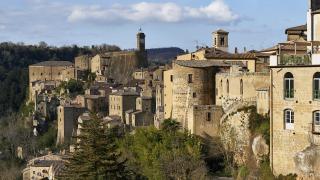
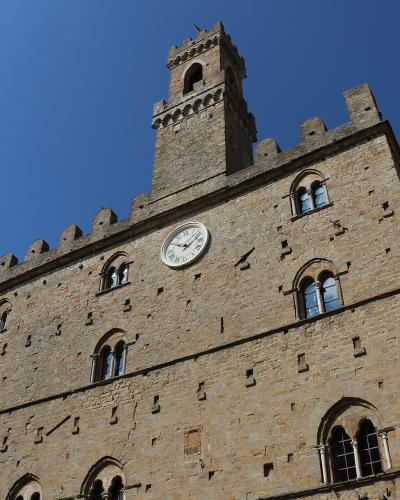
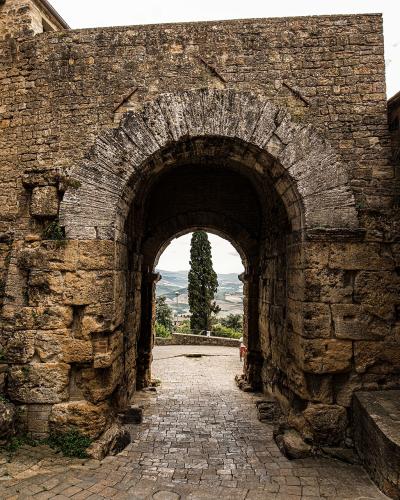
Volterra’s history is deeply rooted in its origins as a major Etruscan city, known as Velathri. The Etruscans built the city’s formidable walls, parts of which still stand today, and established it as a center of power and culture in central Italy. In the 3rd century BC, Volterra was conquered by Rome and became a Roman colony, retaining its importance through the Imperial period. The town’s strategic location on a hilltop provided natural defenses, and its walls and gates, such as Porta all’Arco, reflect this military heritage. During the Middle Ages, Volterra became an independent commune, often in conflict with neighboring cities like Florence and Siena. The town flourished during the Renaissance, with the construction of many of its current historic buildings, including the Palazzo dei Priori and the Cathedral. Volterra has preserved its historic center, which is a testament to its Etruscan, Roman, and Renaissance past. The town is also known for its artistic legacy, particularly in alabaster craftsmanship, which continues to thrive today.
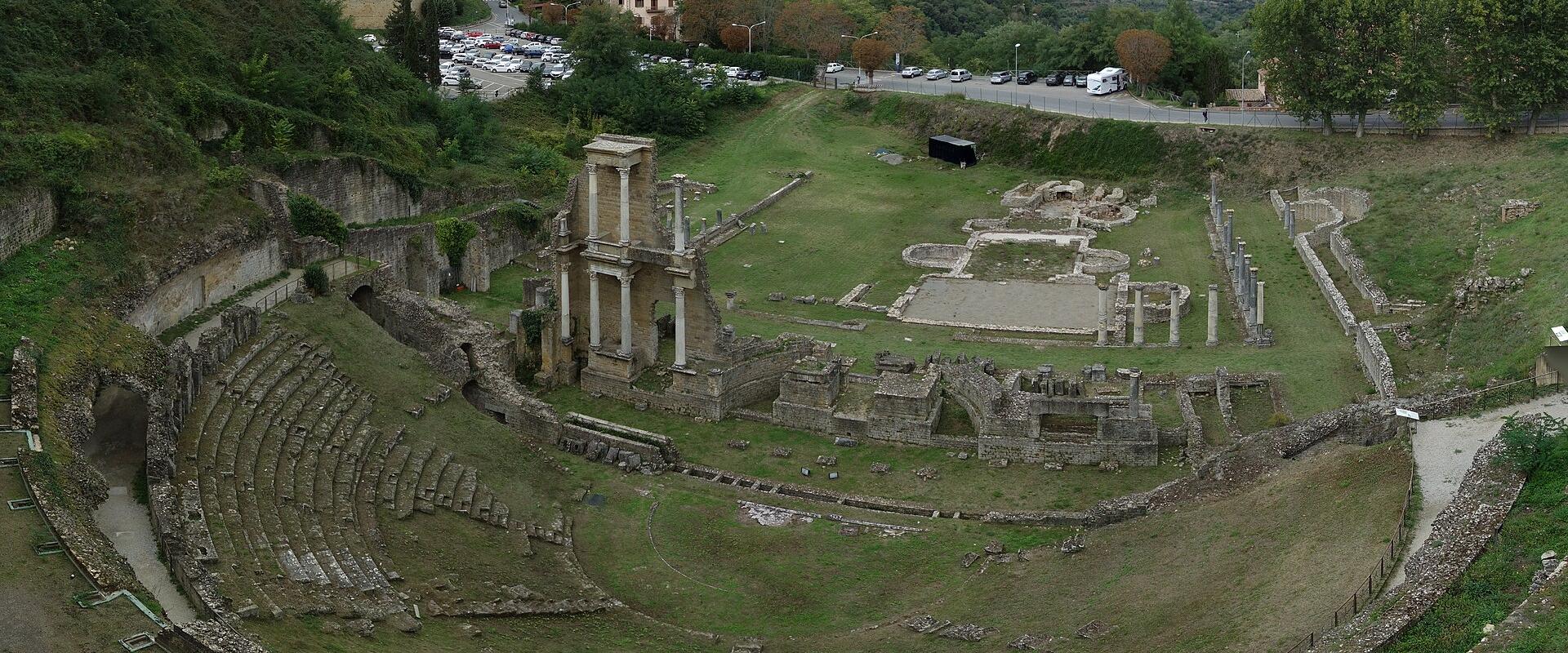
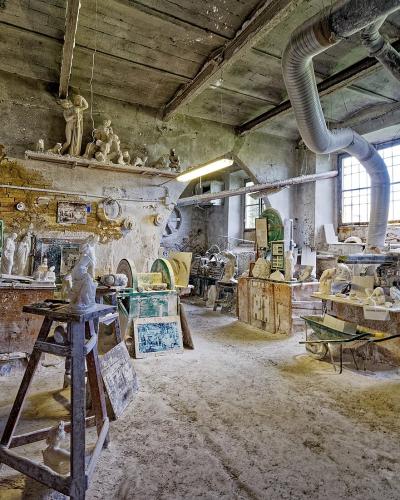
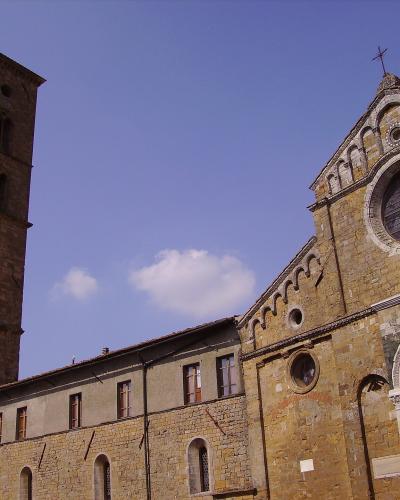
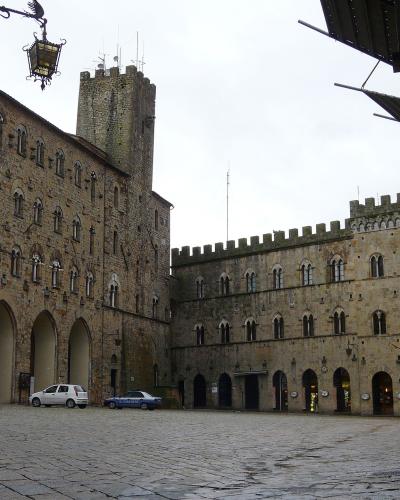
The main attractions in Volterra are centered around its historic center and archaeological sites. The Etruscan Walls, dating back to the 4th century BC, are one of the best-preserved examples of Etruscan fortification in Italy. The Roman Amphitheater, partially excavated, offers insights into the town’s Roman past. The Palazzo dei Priori, a Gothic palace, houses the Pinacoteca Civica, which features works by Beccafumi and other Renaissance artists. The Cathedral of Volterra, with its Romanesque and Gothic architecture, is a significant religious site. The town’s narrow streets lead to numerous alabaster workshops, where visitors can observe the intricate carving process and purchase authentic Volterra alabaster products. The surrounding countryside offers scenic views of the Tuscan hills and olive groves.
Activities in Volterra include exploring the historic sites, visiting museums, and observing alabaster craftsmanship. The town is known for its traditional Tuscan dishes, including pici pasta, wild boar ragù, and local wines like Chianti and Vino Nobile. Visitors can take guided tours to learn about the town’s Etruscan and Roman heritage. The surrounding area offers opportunities for hiking, cycling, and wine tasting. Volterra also hosts various festivals and events throughout the year, including the Volterra Antiquaria, a fair dedicated to antiques and art. Shopping includes local ceramics, textiles, and alabaster products. For those interested in history, guided tours are available to explore the town’s Etruscan walls and Renaissance palaces.
Getting to Volterra is convenient via road. The town is accessible by car from Florence, approximately 80 kilometers away, via the A1 motorway and SS2. Volterra does not have a railway station; the nearest stations are in Pisa and Siena, with bus connections to Volterra. For those traveling by air, the nearest airports are in Florence and Pisa. The best time to visit Volterra is from April to June or September to October, when the weather is mild and pleasant, ideal for exploring the outdoor attractions and historic sites. July and August are peak tourist months, with higher temperatures and larger crowds. Winter is cold but offers a quieter experience. Despite the seasonal variations, Volterra’s rich history and cultural offerings make it a rewarding destination year-round.
Best Time to Visit
Visit between April and June or September and October for mild temperatures and fewer crowds.
Did you know?
Interesting, verified facts about Volterra
Volterra Preserves Medieval Heritage
HistoryThe town is renowned for its well-preserved Etruscan walls, Roman ruins, and medieval architecture, including the Palazzo dei Priori and the Cathedral.
Source: Palazzo dei Priori, Volterra - WikipediaVolterra Has Another Verifiable Detail
HistoryVolterra is also famous for its alabaster craftsmanship, a tradition dating back to the Etruscans.
Source: Volterra, Italy - Going To The Source Of Alabaster - Creative PinellasPlan Your Visit to Volterra
Essential travel tips and information for your trip to Volterra.
Suggested Itineraries
One Day in Volterra
1 dayPerfect for a quick visit. See the main highlights and get a taste of local culture.
Extended Volterra Experience
2-3 daysComprehensive exploration including nearby attractions and cultural experiences.
Travel Tips
Currency
EUR • Cards widely accepted
Language
Italian • English in tourist areas
WiFi
Free WiFi in cafes and hotels
Explore Volterra by Interest
Discover attractions and experiences in Volterra organized by your interests and travel preferences.

All attractions in Volterra
Sorted by our recommendation score

Quick Facts
Book your stay
Frequently Asked Questions
More destinations in Tuscany
Explore other amazing places in the Tuscany region